
On this page
- Lemon Tree Varieties
- Climate And Hardiness Zones
- Temperature Requirements
- Sunlight And Location
- Soil And Planting
- Growing A Lemon Tree In A Pot
- Watering A Lemon Tree
- Fertilizing A Lemon Tree
- Pruning A Lemon Tree
- Pollination And Flowering
- Growing A Lemon Tree Indoors
- Overwintering And Cold Protection
- Common Pests
- Common Diseases And Problems
- Propagating A Lemon Tree
- Harvesting Lemons
- Lemon Uses And Benefits
- Lemon Tree FAQs
A lemon tree (Citrus limon) is an evergreen tree with glossy leaves, fragrant flowers and bright yellow fruit. This citrus tree is believed to be native to Asia, with most botanists suggesting an India origin.
Traders introduced lemons to Europe centuries ago, and today the fruit tree grows in yards across California, Arizona, Texas and Florida. In colder states, container growing lets almost any home garden grow its own lemons.
Standard trees reach a mature height of 6 to 10 feet in pots and grow 4 to 8 feet wide, taller in soil. A dwarf lemon tree stays smaller, though many varieties carry thorny branches.
Lemon Tree Varieties
The Eureka lemon is the classic grocery store fruit, with tart lemons, very few thorns and year-round bearing. The pink variegated Eureka adds striped leaves and pink flesh, making it a truly striking patio choice.
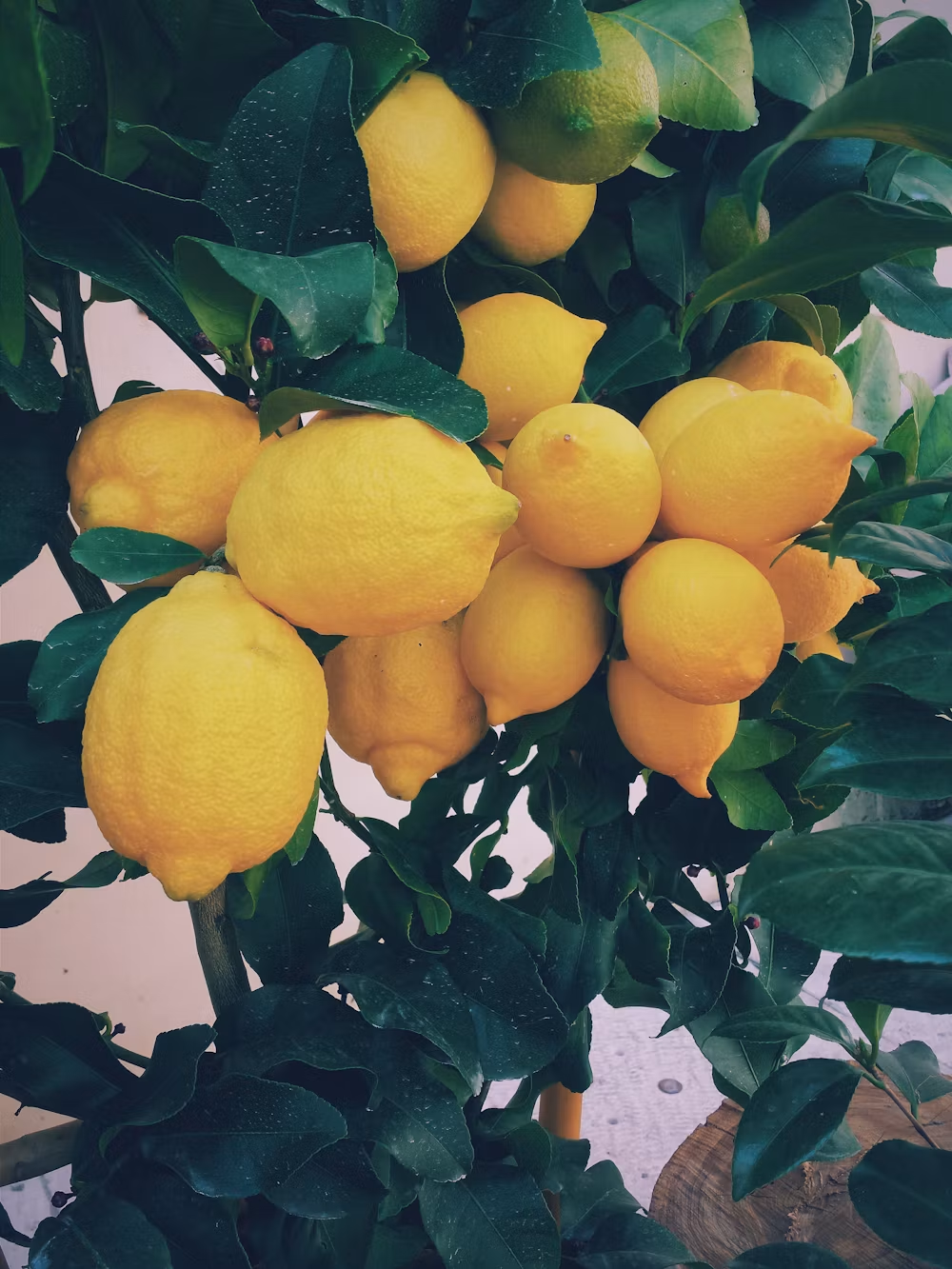
The Lisbon lemon looks similar to Eureka but grows more thorny and vigorous. Both are cold-sensitive varieties, so they suit warm yards far better than northern gardens where hard winter frosts arrive every single year.
The Meyer lemon is a lemon and mandarin hybrid with sweeter lemons, thin-skinned fruit and a soft orange tinge. The Improved Meyer lemon is virus-free, while the Ponderosa lemon produces massive fruit on compact trees.
| Variety | Fruit | Cold tolerance | Best for |
|---|---|---|---|
| Eureka | Tart, juicy, few thorns | Low | Warm yards, fruit most of the year |
| Lisbon | Tart, very juicy | Low | Hot, sunny yards; vigorous thorny trees |
| Meyer / Improved Meyer | Sweeter, thin skin, orange tinge | Highest of the group | Pots, beginners, cooler zones |
| Ponderosa | Very large, thick skin | Low | Novelty fruit in containers |
| Pink Variegated Eureka | Tart, pink flesh, striped rind | Low | Ornamental patio trees |
Climate And Hardiness Zones
Lemons grow outdoors year-round in USDA hardiness zones 9 to 11. That covers coastal California, southern Arizona, the Gulf Coast, south Texas and most of Florida, where winter nights rarely stay below freezing for long.

Standard lemons suffer damage in the low 20s °F, and ripe fruit can freeze near 27 °F. Meyer lemons are the most cold-tolerant variety, which is why gardeners in Southern gardens often choose them first.
North of zone 9, grow your tree in a pot and move it indoors, into a garage or into a greenhouse for winter. This one early decision matters more than any fertilizer or pruning choice.
Temperature Requirements
The optimal temperature for lemon growth is roughly 70 to 90 °F. Within that range, trees push new leaves, set flowers and ripen fruit steadily, provided they also receive plenty of sunlight and consistent watering.
Growth slows below about 55 °F, and a cold snap under freezing can scorch leaves and split fruit. Hot, dry spells above 95 °F cause heat stress, so shade young trees during the hottest afternoons.
Indoors, aim for about 70 °F daytime and 55 °F nighttime, with humidity near 50 percent. A sudden temperature drop from an open door or a cold draft can trigger heavy leaf drop within days.
Sunlight And Location
Lemon trees need full sun, meaning at least 8 hours of direct sunlight every single day. Less light means fewer blossoms, so flowering and fruiting depend more on sunshine than on any other single factor.

The best location outdoors is a sunny patio or bed on the south side of your home, sheltered from strong winds. Avoid spots under larger trees, where shade weakens growth and delays fruit for years.
Indoors, place the tree by a south-facing window, the brightest spot you have. If winter light requirements are not met, add a full spectrum grow light and run it 10 to 12 hours each day.
Soil And Planting
Lemons demand well-drained soil that is slightly acidic, with a soil pH between 5.5 and 6.5. Heavy clay holds water around the roots, so raise beds or mound the soil wherever the drainage is poor.
In the ground, dig a planting hole twice as wide as the root ball and no deeper. Set a grafted tree so the graft union sits above the soil, then backfill and water it well.
In cooler zones, plant after last frost in spring. In zones 9 to 11, year-round planting works, although spring and early fall are easiest. Skip heavy compost in the hole, because it can hold water.
Growing A Lemon Tree In A Pot
A patio lemon tree is the easiest way to grow lemons outside the warm states. Choose a container with drainage holes, such as a terracotta pot, which breathes and helps prevent soggy roots through winter.
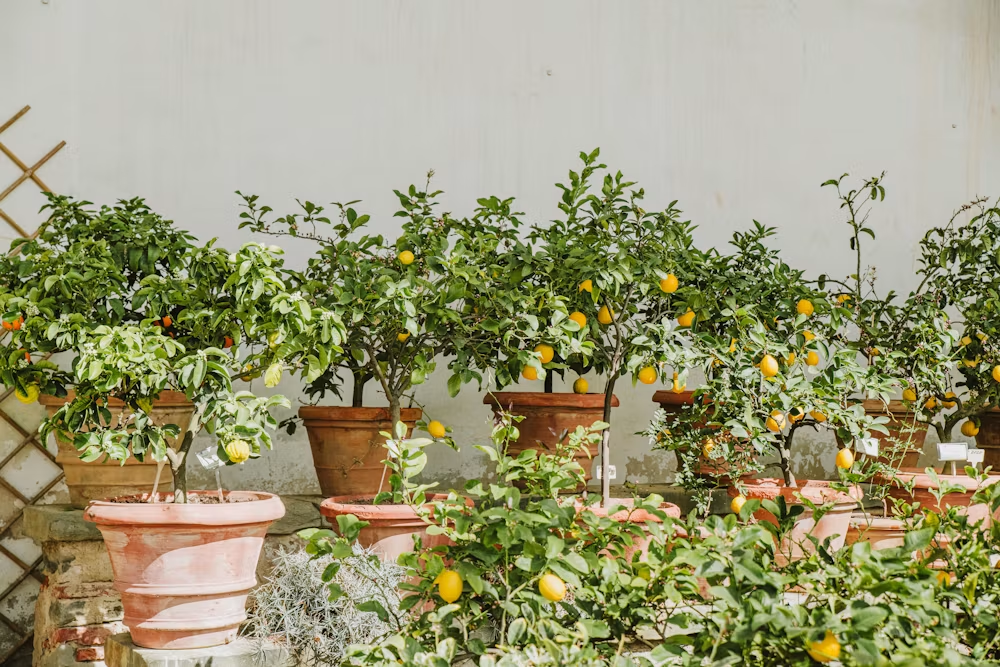
Start with a pot around 12 to 15 inches wide, then step up gradually. Pot size controls tree size, so a tree on dwarfing rootstock can stay a knee-high bush on a balcony for years.
Use a citrus potting mix rather than garden soil, and raise the pot on pot feet so water drains freely. Wheeled plant caddies make moving pots indoors much easier once autumn temperatures start to fall.
Watering A Lemon Tree
Use the finger test before watering: push a finger into the soil up to the second knuckle. When the top 2 inches feel dry, water slowly and deeply until it drains from the pot’s base.

For most trees that means you water weekly, or 1 to 2 times weekly during hot weather. Young trees in their first summer need closer checks, because their small root systems dry out much faster.
Overwatering causes more problems than thirst. Soggy soil leads to root rot and yellowing leaves, so keep the soil on the dry side of moist and never leave pots standing in full saucers of water.
Fertilizing A Lemon Tree
Lemon trees are heavy feeders, and a citrus fertilizer gives them the nitrogen, iron, zinc and manganese they need. A high-nitrogen fertilizer such as a 6-3-3 fertilizer works well for trees growing in the ground.
Follow a simple feeding schedule: start spring feeding as new growth appears, then feed through the growing season. Outdoor trees need feeding 2 to 3 times a year, spaced about six to eight weeks apart.
Potted trees lose nutrients each time water drains, so monthly feeding suits them from spring to summer. Reduce feeding in late summer so new shoots can harden before cold weather arrives in autumn and winter.
Pruning A Lemon Tree
Lemons need very little regular pruning compared with apples or peaches. Remove dead limbs, weak branches and crossing stems, then cut away any suckers that sprout from below the graft union close to the soil.
Light thinning opens the canopy for sunlight and air circulation, which reduces fungal problems. The best time is shortly after harvest or in early spring, before the main flush of new growth and flowers begins.
Use clean, sharp pruners, and wear gloves because many lemons carry thorns. For potted trees, shaping the canopy into a compact bush form keeps the tree balanced and makes it much easier to move indoors.
Pollination And Flowering
Most lemons have self-fertile flowers, so one tree can produce fruit without any partner. Outdoors, bees and other insects handle pollination while visiting the fragrant white blossoms during the main spring flowering season each year.

Indoors there are no insects to help, which is why hand pollination indoors matters. Use a small paintbrush to move pollen from flower to flower every few days while the whole tree is in bloom.
Good fruit set depends on steady moisture, bright light and stable temperatures while flowers open. A tree that drops most of its flowers is normal, since lemons bloom heavily and keep only fruit they support.
Growing A Lemon Tree Indoors
An indoor lemon tree needs the brightest window in your home plus a grow light in winter. Keep it well away from heating vents, because heated homes dry the air and stress the leaves quickly.

Raise humidity with a pebble tray or a small humidifier nearby. Misting gives only a brief boost and can encourage leaf spots, so treat it as a supplement rather than your main method for humidity.
When bringing indoors, use a gradual transition over about one week of acclimation. Moving a tree straight from full sun into a dim room causes heavy leaf drop, although new leaves usually return in weeks.
Overwintering And Cold Protection
For potted trees, overwintering starts well before the first cold night. Move them into a cool bright room or sunroom once nighttime lows begin falling toward 50 °F, well ahead of the first frost arriving.
For trees in the ground, spread mulch 6 to 10 inches deep over the roots, keeping it clear of the trunk. Frost cloth, old blankets or pine straw add extra cold protection during freeze warnings.
Pick ripe fruit and harvest before frost whenever a hard freeze is forecast. Trees slow into a partial winter dormancy, so water less often and pause all feeding until the warmer spring weather returns again.
Common Pests
The citrus leafminer leaves winding, silvery trails inside the tender new leaves, while scale insects, mealybugs and aphids suck sap from the stems. Indoors, spider mites and whiteflies multiply fast in warm, dry winter air.
Treat soft-bodied pests with insecticidal soap or neem oil, and smother scale with horticultural oil. Wipe small scale colonies away with cotton dipped in rubbing alcohol before they spread across the rest of the tree.
The Asian citrus psyllid spreads citrus greening, a deadly, incurable citrus disease. If you spot it outside known quarantine areas, report it to USDA APHIS, and welcome ladybugs and other beneficial insects into the garden.
Common Diseases And Problems
Citrus canker causes raised, corky lesions on leaves and fruit, while sooty mold grows on the sticky honeydew that pests leave behind. Anthracnose and lemon scab mark the fruit with dark, raised, scabby brown spots.
Many problems are cultural rather than infectious. Leaf drop usually follows a sudden change in light or temperature, while fruit drop often means drought stress, overwatering or a tree carrying more fruit than it supports.
Yellow leaves with green veins point to a nutrient deficiency, usually iron or magnesium. Uniformly yellow leaves sitting in constantly wet soil suggest root rot, so always check the drainage before adding any more fertilizer.
Propagating A Lemon Tree
Propagation from lemon seeds is easy but slow. Soak seeds for a few hours, plant them half inch deep, and keep them warm; germination at 70 to 85 °F usually takes 1 to 3 weeks.
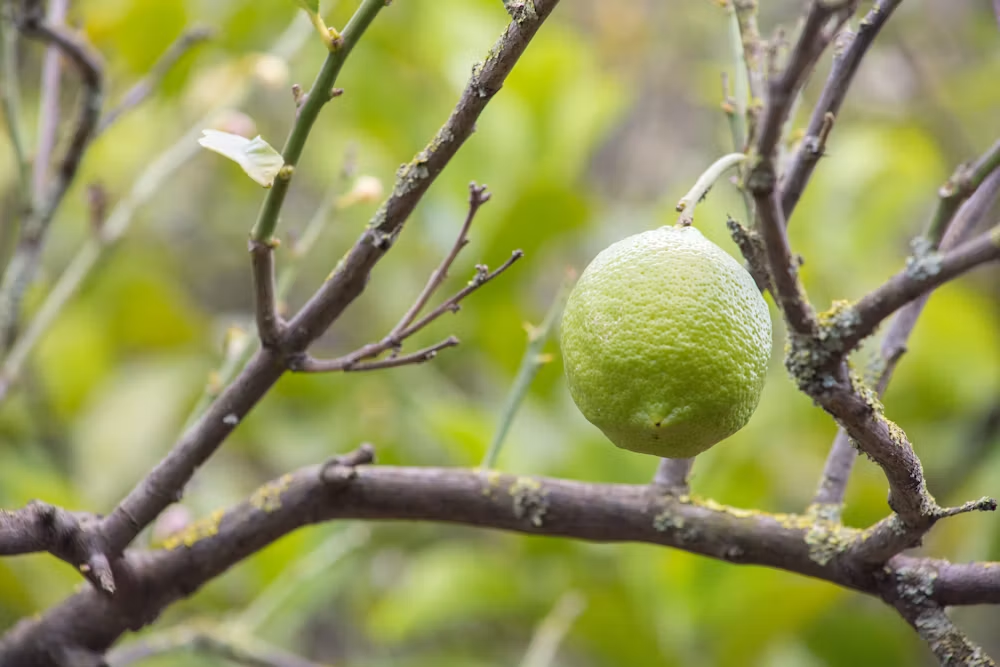
Seedlings may take many years before fruiting, often five or more, and the fruit may differ from its parent. That is why nurseries sell grafted trees, which usually begin bearing within two to three years.
For a faster copy of your own tree, take semi-hardwood cuttings, dip them in rooting hormone and give them gentle bottom heat. Grafting onto sturdy rootstock is the professional method that most nurseries rely on.
Harvesting Lemons
A ripe lemon is usually 2 to 3 inches long, bright yellow or yellow-green, with glossy skin that feels slightly soft when gently squeezed. Size and give matter more than color alone for most varieties.

Fruit ripening is slow, often taking six to nine months from flower to harvest. Cut lemons with scissors or pruners rather than pulling them, which can tear the bark and invite disease into the branch.
Expect a first harvest within about 3 years for grafted trees kept indoors or in containers, and closer to 5 years outdoors for some seedlings. Ripe lemons store well on the tree for several weeks.
Lemon Uses And Benefits
Fresh lemons have almost endless culinary uses. Lemon juice brightens dressings, drinks and marinades, while the zest carries fragrant oils that flavor baking, sauces and roasted vegetables without adding any extra acidity to the dish.

Among the many health benefits, lemons are a good source of vitamin C. A single lemon supplies a meaningful share of your daily needs, along with fiber and plant compounds that support a balanced diet.
Lemons also have a long history. One popular piece of trivia is that sailors once carried citrus on long sea voyages to prevent scurvy, a serious disease caused by a severe lack of vitamin C.
Lemon Tree FAQs
Why Is My Lemon Tree Turning Yellow?
Yellow leaves usually signal a watering or nutrition problem. Wet, soggy soil starves the roots of oxygen, while pale leaves with green veins suggest an iron or magnesium deficiency that a citrus fertilizer can correct.
Check the soil first. If the top two inches stay soggy and wet for several days, water less often and improve drainage. If the soil seems fine, feed with a citrus formula that contains micronutrients.
Sudden yellowing and leaf drop right after moving the tree is often shock rather than disease. Keep conditions stable, avoid overcorrecting with water or fertilizer, and new green leaves usually appear within a few weeks.
When Should I Repot A Lemon Tree?
Repot a lemon tree in spring, just as fresh new growth begins. Young trees usually need a larger pot every one to two years, once roots circle the pot or poke through the drainage holes.
Move up only 2 to 4 inches in pot width at a time. A pot that is far too large holds excess wet soil, which raises the risk of root rot in potted lemon trees.
Mature trees in their final pot can stay where they are. Every couple of years, scrape away the top few inches of old soil and replace it with fresh citrus potting mix instead of repotting.
Do Lemon Trees Need Bees To Produce Fruit?
No. Most lemon varieties are self-fertile, so a single tree can set fruit on its own. Outdoors, bees and other insects still help by moving pollen between flowers, which often improves how much fruit sets.
Indoors, where no insects can reach the blossoms, pollinate by hand. Gently brush the center of each open flower with a small soft paintbrush, moving from bloom to bloom every couple of days during flowering.
If flowers open but no fruit forms, check the light and temperature as well. Low light, cold drafts or very dry air can cause blossoms to drop before pollination has a real chance to work.
Can You Grow A Lemon Tree Indoors?
Yes, especially compact varieties such as Meyer or Improved Meyer. An indoor lemon tree needs a bright south-facing window, a pot with drainage holes and temperatures that stay between roughly 55 and 75 °F year-round.
Most indoor trees also need a grow light in winter, when the daylight hours are short. Without enough light, trees drop their leaves, flower poorly and rarely ripen any fruit before spring finally arrives again.
Many gardeners keep lemons outdoors from late spring to early fall, then bring them inside for the winter. This combination gives the tree full summer sun while protecting it from frost and cold, freezing nights.
Should I Mist My Lemon Tree?
Misting helps only briefly, because the water evaporates within minutes. It can also leave the leaves damp long enough to encourage fungal spots, especially in cool rooms with poor air circulation during the winter months.
A better approach is a pebble tray under the pot or a small room humidifier placed nearby. Both raise humidity around the leaves steadily, which matters most in heated homes during the coldest winter months.
If you enjoy misting, do it in the morning so the leaves dry before evening. Combine it with steady watering, bright light and stable temperatures, which influence leaf health far more than misting ever does.
How Long Does A Lemon Tree Take To Fruit?
A grafted lemon tree bought from a nursery usually fruits within two to three years. Many young trees even arrive with flowers, although it is wise to remove early fruit so roots can establish properly.
Trees grown from seed take much longer, often five years or more, and their fruit may not match the parent. For reliable lemons in a reasonable time, buy a healthy grafted tree from a nursery.
Once a tree starts bearing, the fruit takes six to nine months to ripen after flowering. Meyer and Eureka lemons can bloom several times a year, so ripe fruit often hangs right beside new flowers.