Lime Tree: How To Grow And Harvest Key And Persian Limes
On this page
- Key Lime And Persian Lime Varieties
- Climate And Hardiness Zones
- Sunlight Requirements
- Soil And Planting
- Watering Schedule
- Fertilizer And Nutrition
- Flowering And Pollination
- Pruning
- Growing A Lime Tree In A Pot
- Overwintering And Frost Protection
- Propagation
- Growing A Lime Tree From Seed
- Harvesting And Storing Limes
- Pests
- Diseases And Common Problems
- Lime Tree FAQs
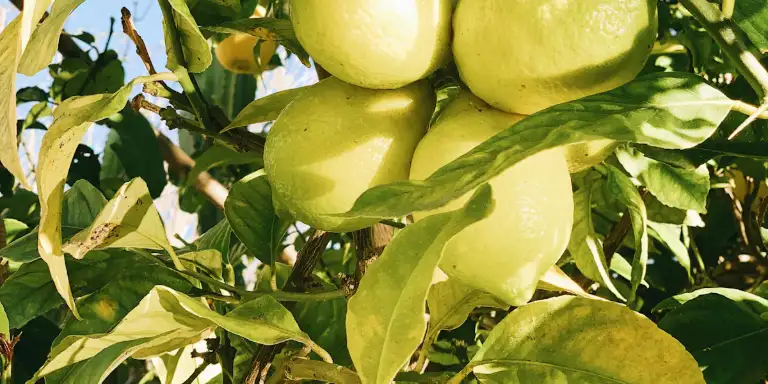
A lime tree is an evergreen fruit tree from the Rutaceae family, the same citrus tree group that includes lemons and oranges. It carries glossy dark green leaves, fragrant white flowers and tart fruit year-round.
Limes arrived from Southeast Asia and now grow in warm gardens across the United States. Beyond culinary value for guacamole, margaritas and limeade, the tree works as an ornamental tree on patios and sunny borders.
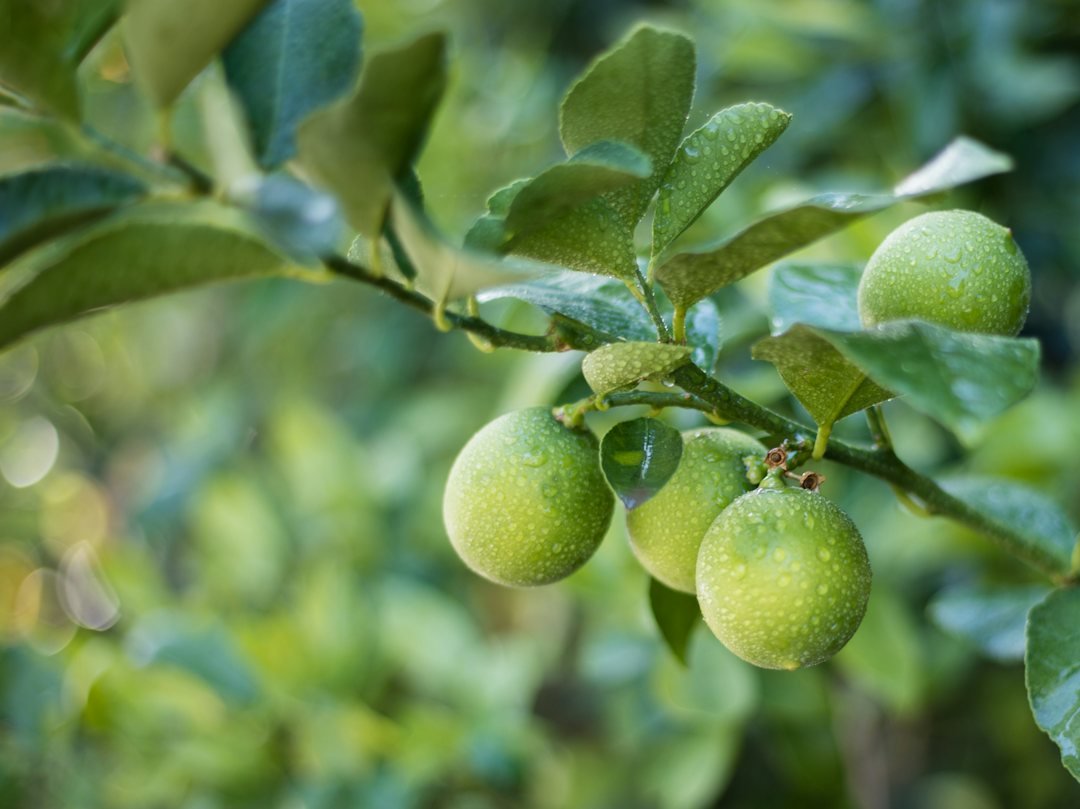
This guide explains how to plant, feed, prune and protect Key and Persian limes in the ground or in containers, then shows exactly when to pick homegrown limes for the best juice and richest flavor.
Key Lime And Persian Lime Varieties
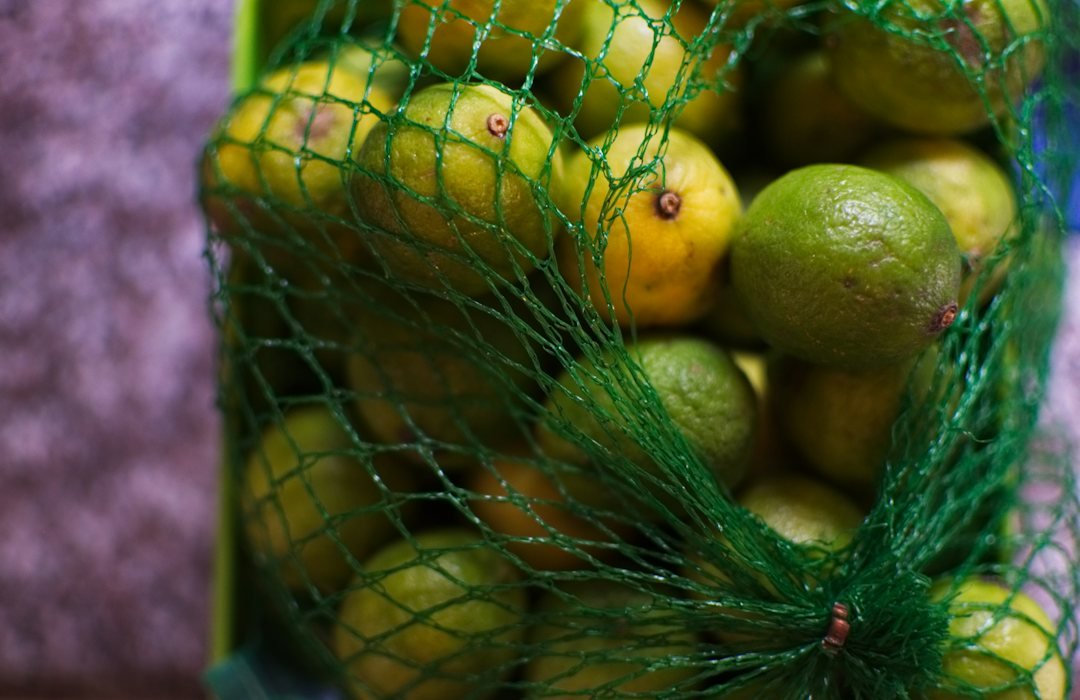
The Persian lime (Citrus latifolia), also sold as Tahiti lime or Bearss lime, is the large seedless fruit found in grocery stores. It grows vigorously, tolerates more cold and produces heavy crops on a tree.
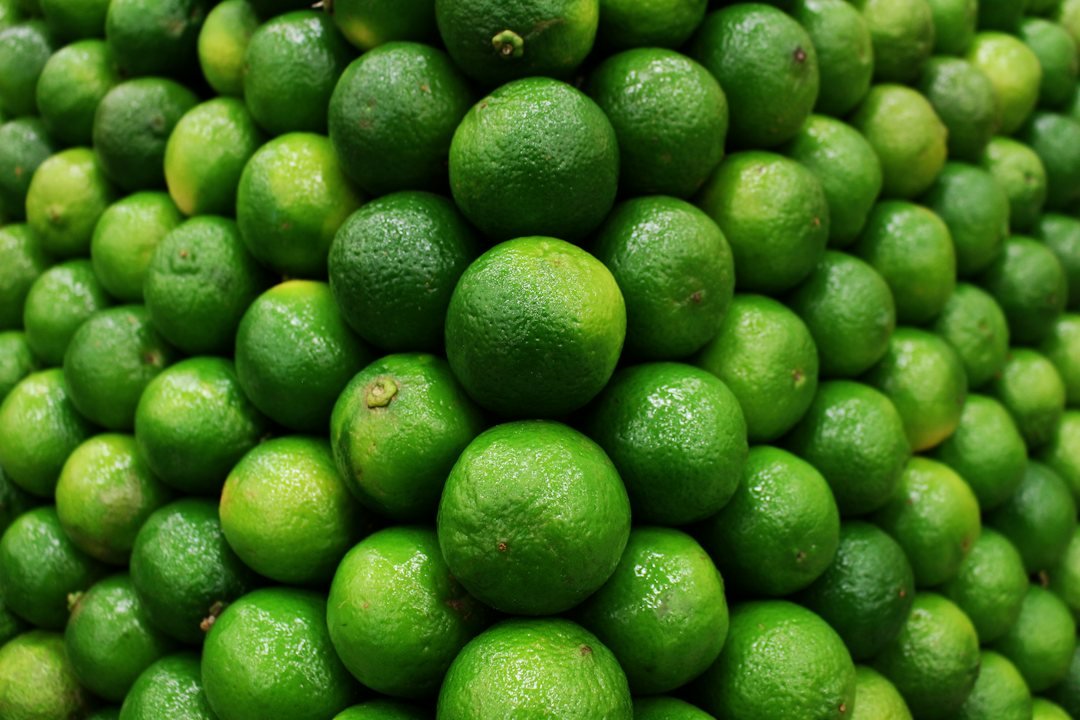
The Key lime, also called Mexican lime (Citrus aurantiifolia), bears small, aromatic, seedy fruit with intense acidity. It is the classic choice for Key lime pie, and a thornless Mexican lime makes harvesting more comfortable. The UF/IFAS Key lime guide covers the variety in depth.
Specialty options include the Makrut lime, also called Kaffir lime (Citrus hystrix), prized for aromatic leaves, the orange-fleshed Rangpur lime, the Philippine lime and Australian finger lime. Many nurseries sell them as semi-dwarf patio trees.
| Variety | Fruit | Cold tolerance | Best for |
|---|---|---|---|
| Persian (Tahiti, Bearss) | Large, seedless, juicy | Moderate | Everyday cooking and drinks |
| Key (Mexican) | Small, seedy, very aromatic | Low | Key lime pie, cocktails |
| Thornless Mexican | Key lime flavor, no thorns | Low | Easy picking in small yards |
| Makrut (Kaffir) | Bumpy fruit, prized leaves | Low | Thai and Southeast Asian cooking |
| Rangpur | Orange flesh, tart | Moderate | Marmalade, ornamental pots |
| Australian finger lime | Caviar-like pearls | Moderate | Garnishes and seafood |
Climate And Hardiness Zones
Lime trees grow outdoors in zones 9 to 11 on the USDA hardiness zones map, covering southern Florida, Texas, Arizona and coastal California. They prefer a subtropical climate, thriving at 70 to 85°F through summer.
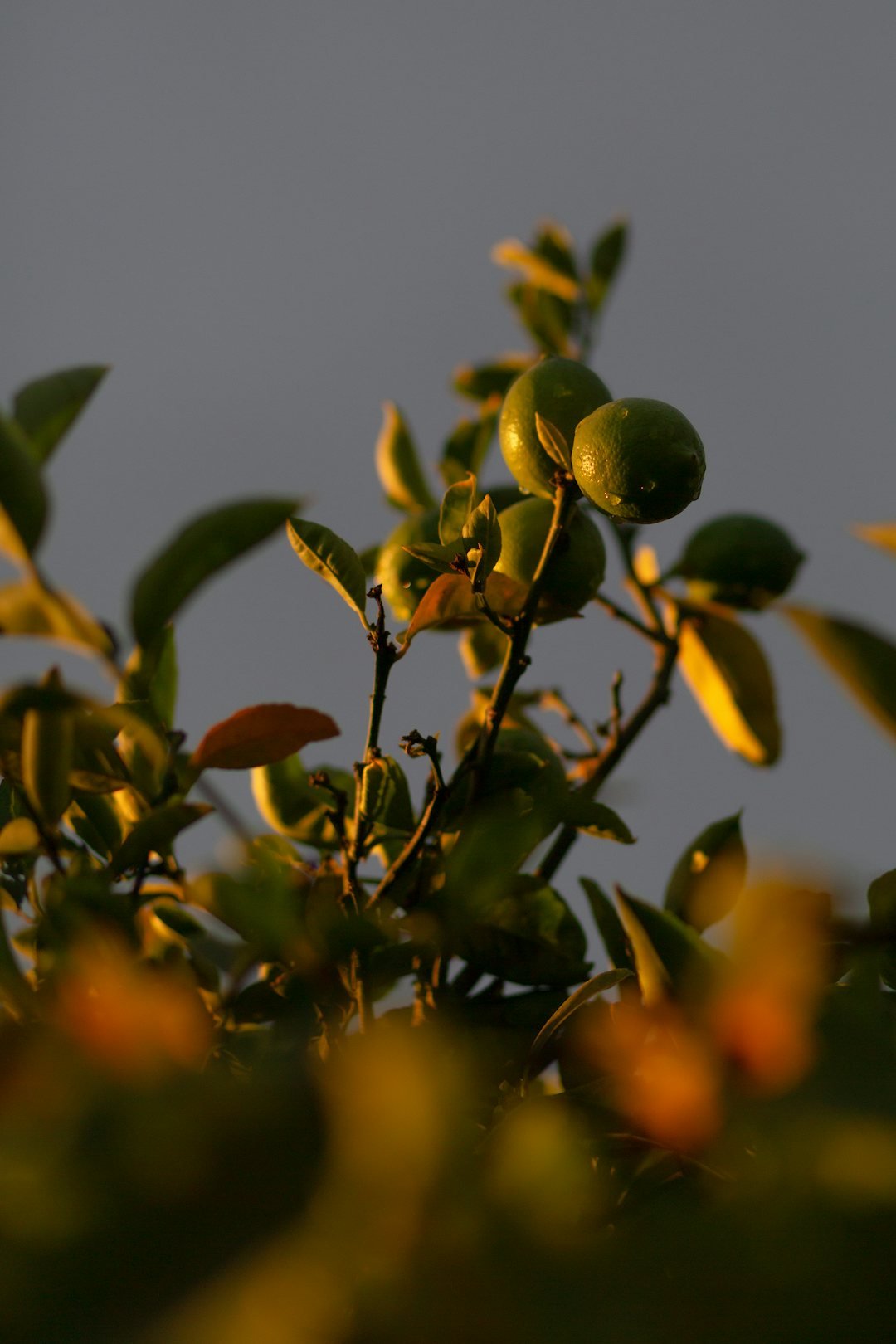
Key limes are the most cold-sensitive type and can suffer damage near 32°F, while Persian limes are slightly more cold-hardy. Even brief frost or freezing temperatures can kill new growth, flowers and developing fruit quickly.
Outside these zones, plant beside a south-facing wall to create a warmer microclimate, or grow the tree in containers. Bring potted trees inside once nights regularly fall below 50°F, and keep indoor humidity above 50%.
Sunlight Requirements
A lime tree needs full sun to flower and fruit. Give it at least 6 to 8 hours of direct sunlight daily, and ideally 8 to 10 hours, because extra light produces juicier, heavier crops.
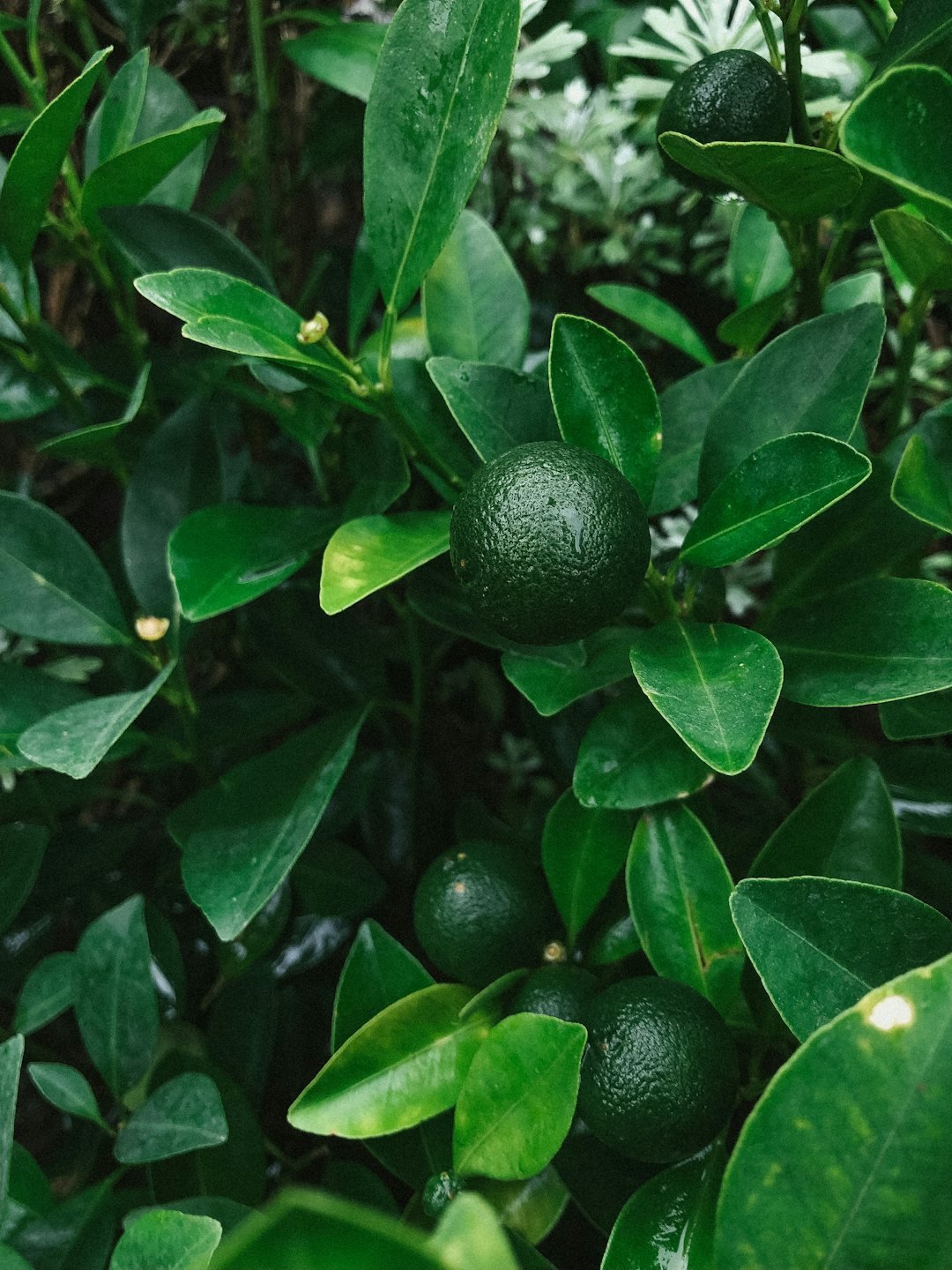
Trees can survive partial shade, but fruit set drops noticeably. In hot desert regions, light protection from harsh afternoon sun prevents leaf scorch, while an open southwestern exposure suits most gardens in cooler, cloudier climates.
Indoors, place the tree in a bright south-facing window with no obstructions. Where winter light is weak, a broad-spectrum grow light running 12 to 14 hours daily keeps the foliage healthy and supports continued flowering.
Soil And Planting
Lime trees demand well-draining soil, because roots growing in well-aerated soil resist rot far better. A sandy loam or loamy soil works best, with a soil pH of 6.0 to 7.0, slightly acidic to neutral.
Choose spring or fall planting in a sunny spot. Dig a planting hole twice as wide as the root ball, mix in compost or organic matter, and keep the root crown slightly above soil level.
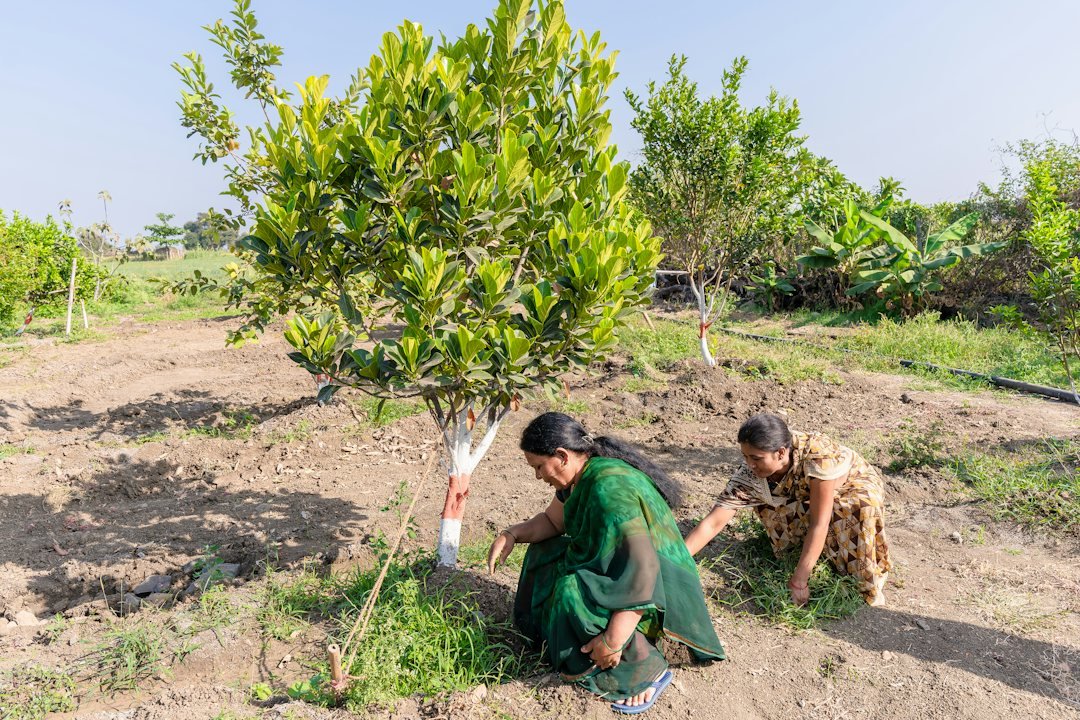
Backfill gently, then water thoroughly to remove trapped air pockets. Spread 2 to 3 inches of mulch across the root zone, keeping it several inches from the trunk to prevent collar rot and bark damage.
Watering Schedule
Lime trees like consistently moist soil but hate waterlogged soil. Overwatering starves roots of oxygen, so always check the top 2 inches first and water only once that layer feels completely dry to the touch.
Water newly planted trees every other day for the first week, then once or twice weekly for about two months. Established trees prefer deep watering every one to two weeks, which encourages strong, deep roots.
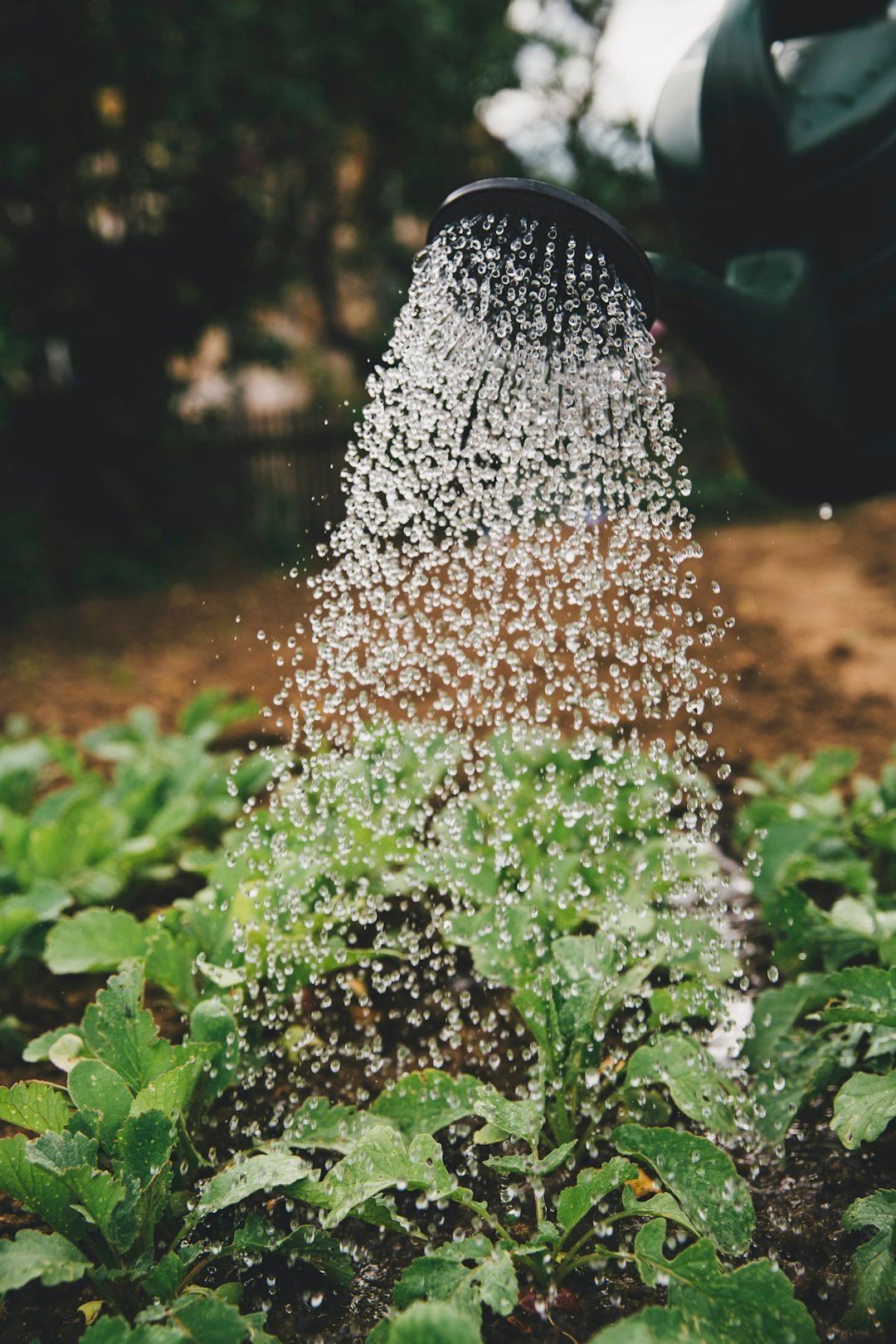
Adjust watering frequency to match the weather. During dry spells, increase water to prevent drought stress and fruit drop, and during the rainy season reduce irrigation. Containers need more frequent checks and unblocked drainage holes.
Fertilizer And Nutrition
Limes are notably heavy feeders. Use a balanced citrus fertilizer containing NPK plus micronutrients, because lime trees commonly show iron deficiency and shortages of zinc, manganese and magnesium, which cause yellowing between the leaf veins.
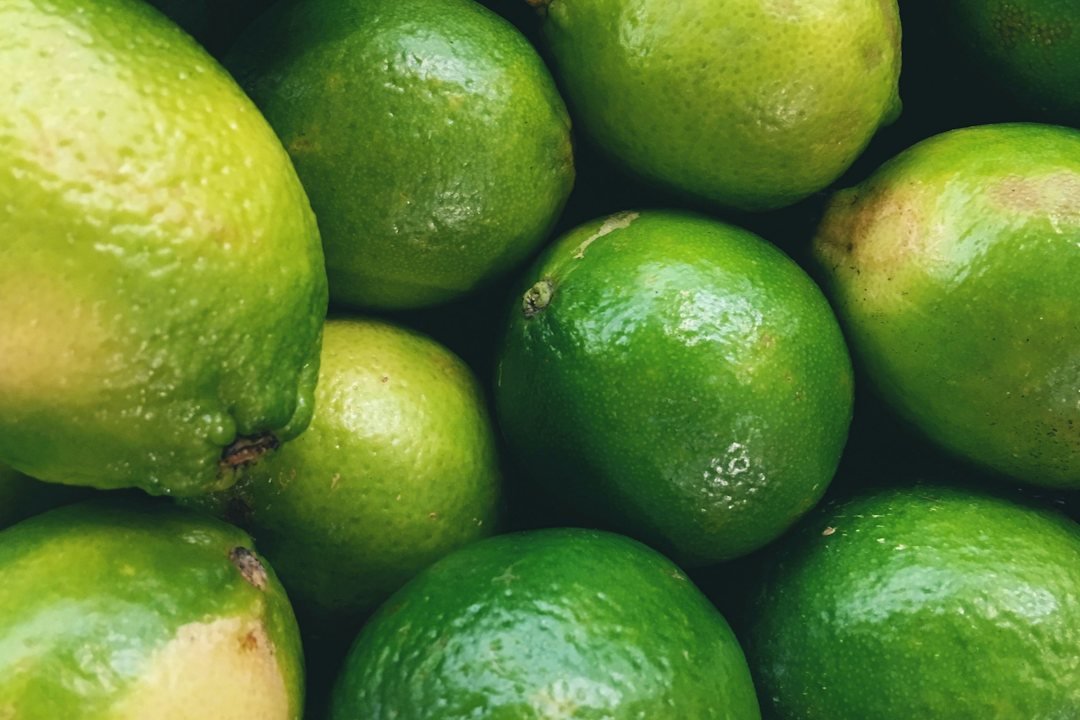
Feed young trees a nitrogen-rich fertilizer from spring through summer, increasing amounts yearly. A slow-release fertilizer every six to eight weeks during the growing season suits in-ground trees, while pots benefit from monthly liquid fertilizer.
Gardeners preferring organic fertilizer can use fish emulsion or compost, which also feed beneficial soil microbes. Avoid over-fertilizing, since excess salts burn tender roots and push leafy growth at the expense of flowers and fruit.
Flowering And Pollination
Lime trees produce clusters of fragrant white blossoms, with the main bloom time in late winter and spring. Many trees flower again later in the year, so blossoms and ripening fruit appear together on branches.
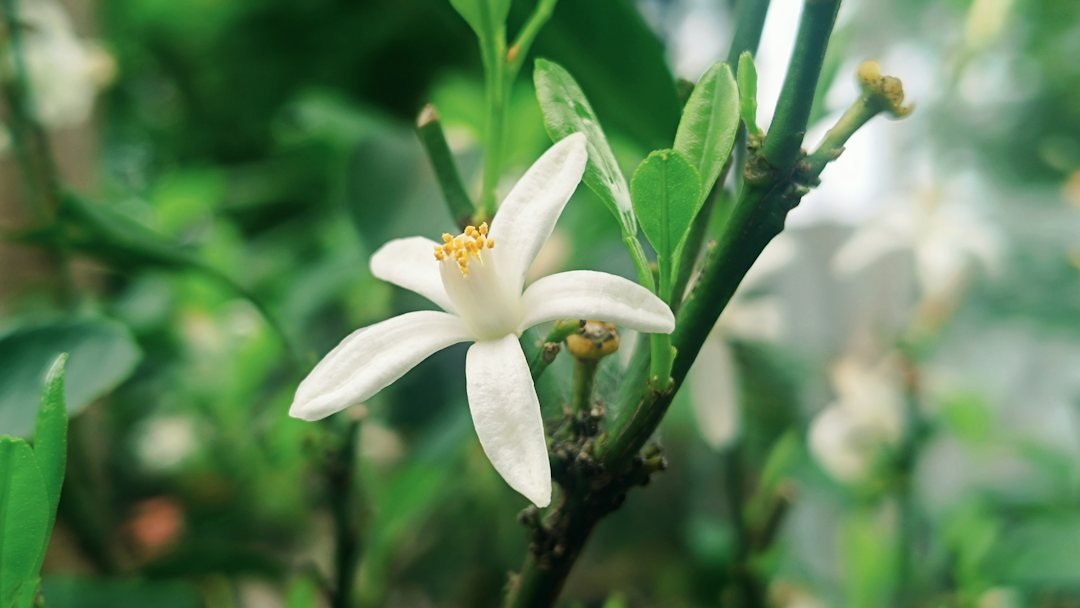
Most limes are self-pollinating, so a single tree can set fruit alone. Still, pollinators such as bees move pollen efficiently and improve fruit set, which means more limes develop from each new flush of flowers.
Planting nectar-rich flowers nearby draws more bees to the garden. Cross-pollination between different citrus varieties with overlapping bloom periods may lift yields slightly, while indoor trees benefit from gentle hand pollination using a soft brush.
Pruning
Lime trees need only light, selective pruning. Remove suckers sprouting below the graft union, along with dead branches, diseased branches and crossing limbs. This protects the grafted variety and keeps the canopy healthy and productive.
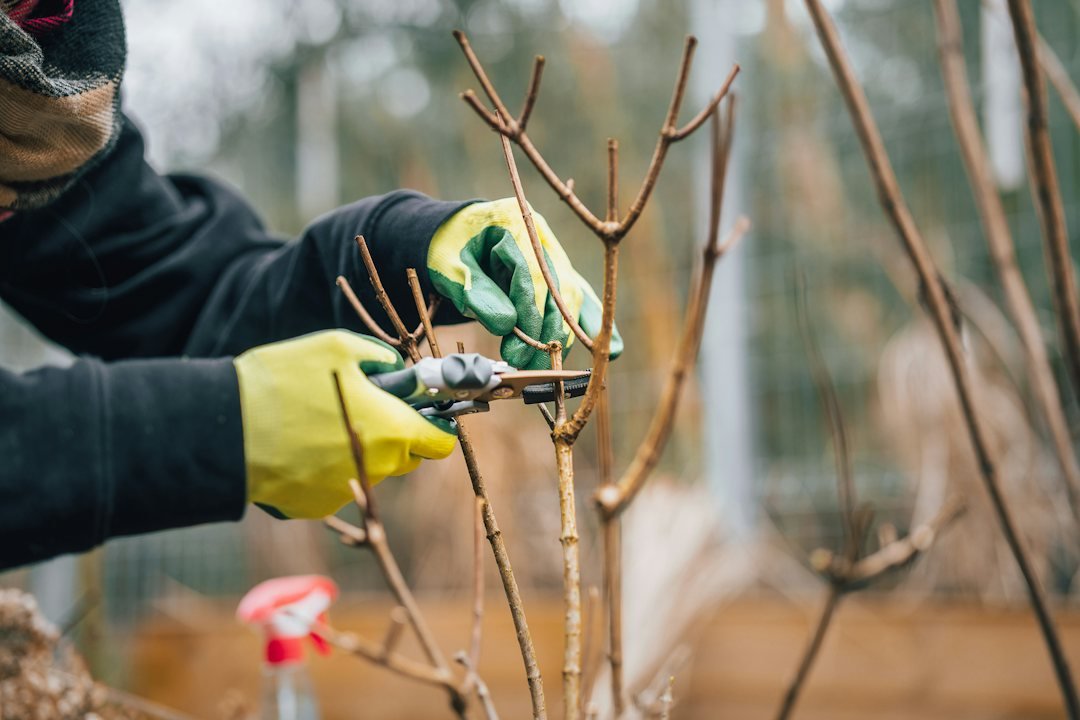
Thin crowded branches in the center to improve air circulation and light penetration, which reduces fungal problems. The best timing is late winter, before new growth and flowering begin, though light shaping works through summer.
Use clean pruning shears wiped with rubbing alcohol, and wear gloves because most limes carry sharp thorns. Never remove more than one-third of the canopy at once, and trim gradually to manage overall tree size.
Growing A Lime Tree In A Pot
Container growing lets gardeners outside warm zones enjoy a potted lime tree on a patio. Start a young tree in an 8-inch pot, or choose a dwarf lime tree like Key lime for compact spaces.
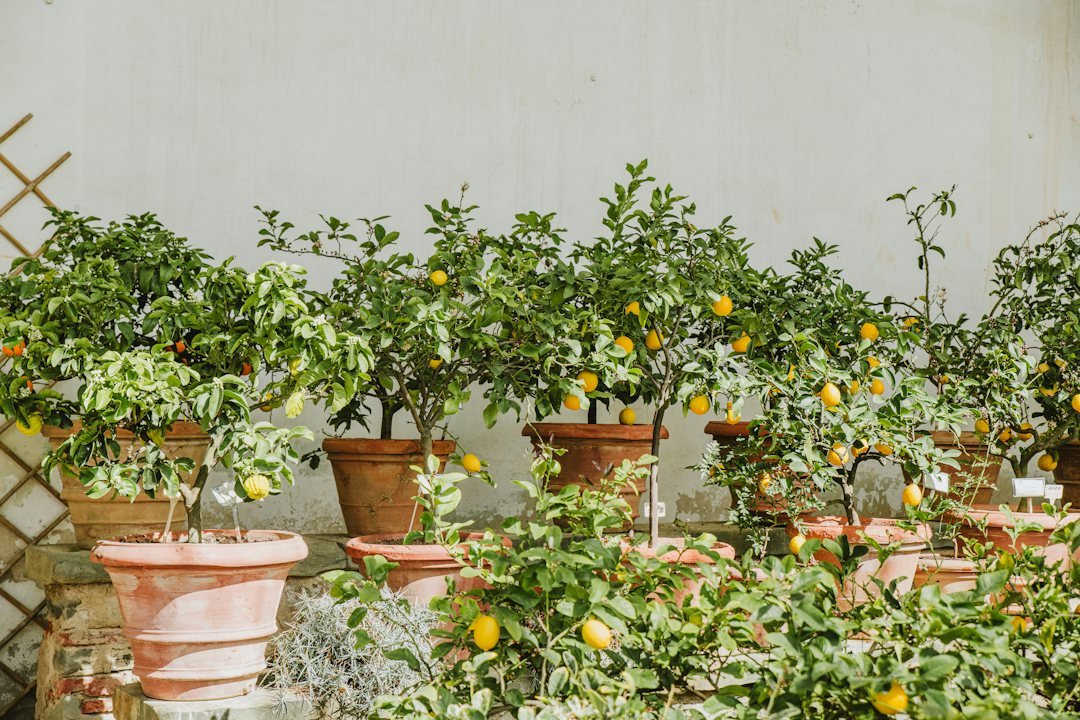
Use a citrus potting mix or blend quality potting mix with perlite and coco coir for fast drainage. The container must have open drainage holes, and roots drying slightly between waterings stay healthiest and strongest.
Limes like being slightly root bound, so plan repotting every two years into a pot a few inches wider. Indoors, keep trees away from drafts and heating vents, and add a pebble tray or humidifier. See more indoor trees that thrive in containers.
Overwintering And Frost Protection
Overwintering starts before the first cold snaps. Move potted trees to a bright sunny room gradually over about a week so they acclimate, and spray foliage with insecticidal soap first to avoid carrying pests indoors.
Some leaf drop after moving indoors is completely normal and usually temporary. During indoor overwintering, reduce watering, pause heavy feeding and keep room temperatures between 55 and 70°F for steady, stress-free rest until spring returns.
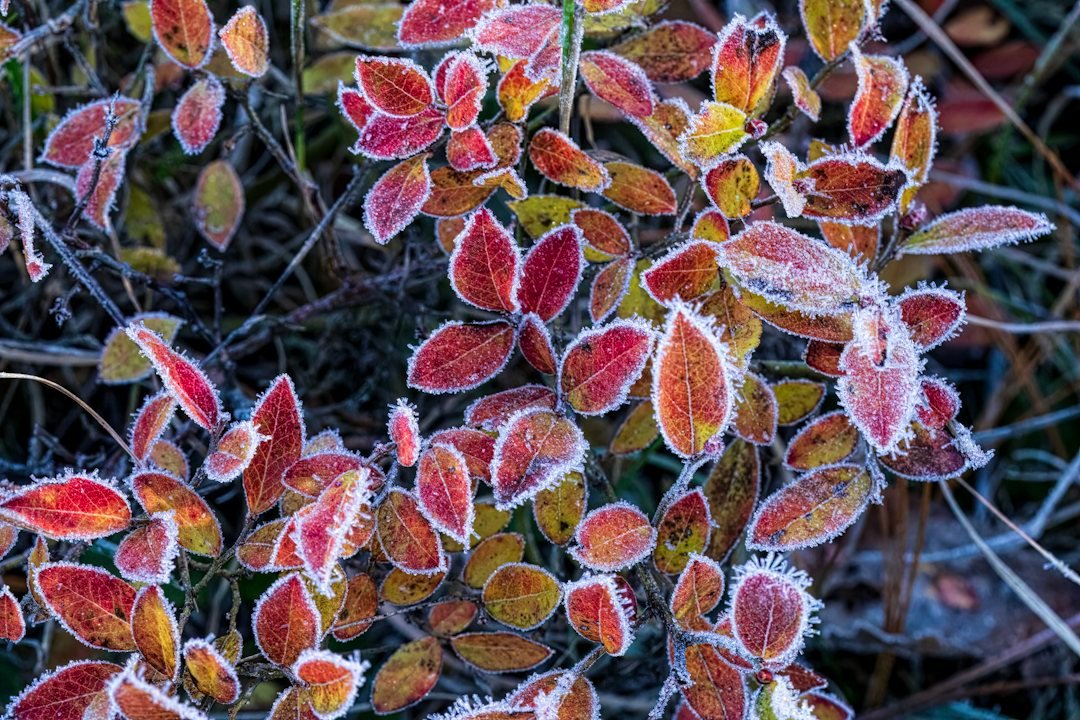
For in-ground trees, cover the canopy with frost cloth, burlap or old blankets overnight, removing them by day. A thick mulch layer insulates roots, and watering before a freeze helps moist soil hold more warmth.
Propagation
Most lime trees are grafted trees, where a fruiting scion is joined to a rootstock. Rootstocks, including bitter orange rootstock, influence vigor, soil tolerance and cold hardiness, which is why grafted trees outperform seed-grown seedlings.
Home gardeners can root cuttings instead. Take a healthy 6 to 8 inch stem, cut below a leaf node, dip it in rooting hormone and keep it warm on a heat mat until roots form.
Air layering, also called marcottage, wraps a wounded branch in moist moss until roots develop before cutting it free. Most growers still buy nursery trees, because professional grafting delivers faster fruiting and proven, disease-free stock.
Growing A Lime Tree From Seed
Growing from lime seeds is possible but slow. Persian limes are usually seedless, so seeds typically come from Key limes. Rinse away the seed pulp, then try soaking seeds overnight to soften their tough coats.
Sprout cleaned seeds in a damp paper towel or shallow pots of moist mix. Covering the container with a clear plastic bag creates a mini greenhouse that holds warmth and humidity for faster seed germination.
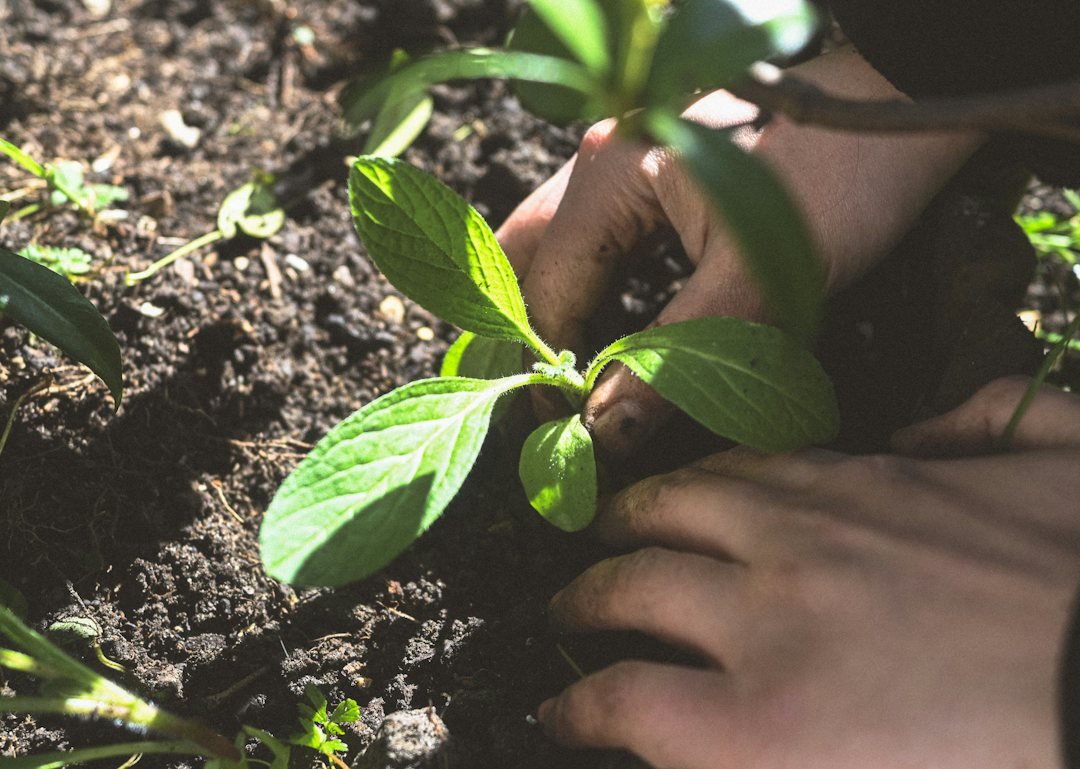
Seedlings grow slowly and may need 4 to 10 years to fruit, if they fruit at all. The fruit may also differ from the parent, which is why seed-grown trees suit patient hobby gardeners best.
Harvesting And Storing Limes
Limes usually reach harvest time about 6 months after bloom. Persian limes are picked at full size while still bright green, glossy and firm to the touch, though the fruit gives slightly when gently squeezed.
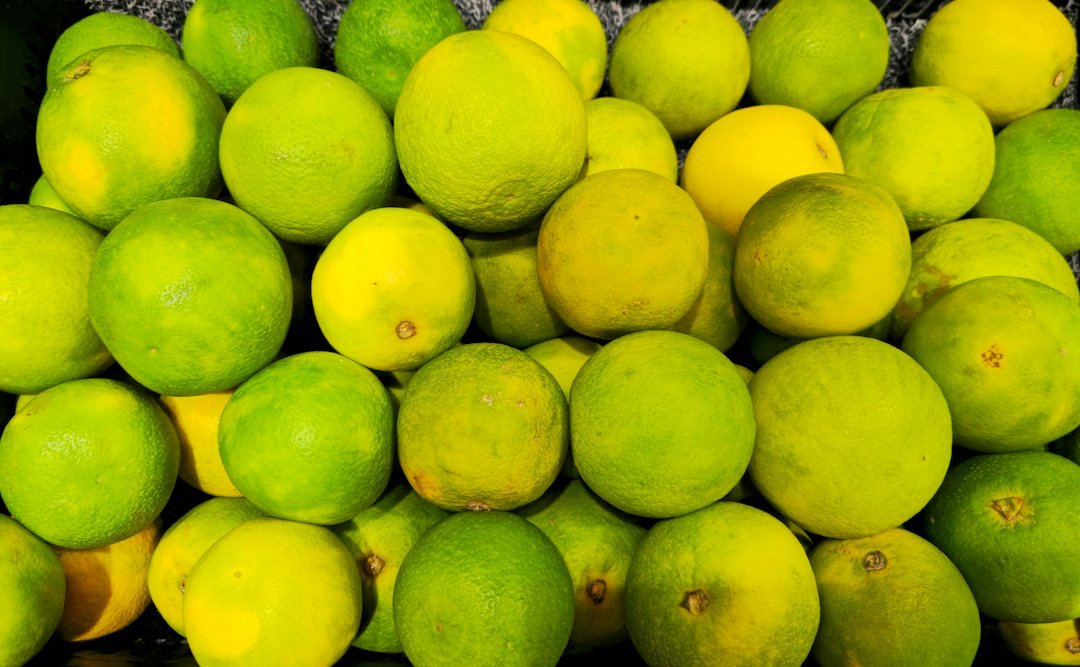
Left longer, ripe limes develop a yellow tint and smooth skin, with more juice and milder acidity. Key limes are often picked as they turn yellowish. Always taste one fruit before harvesting the whole crop.
Cut fruit using clean pruning shears. Limes keep a week at room temperature or two weeks in the fridge’s crisper drawer. Freeze lime zest or lime juice ice cubes to enjoy the harvest all year.
Pests
Common lime tree pests include aphids, scale insects, whiteflies, citrus mites and citrus leaf miner, whose larvae carve tunnels through young leaves. The sap feeders cause curling leaves and sticky honeydew that attracts sooty mold.
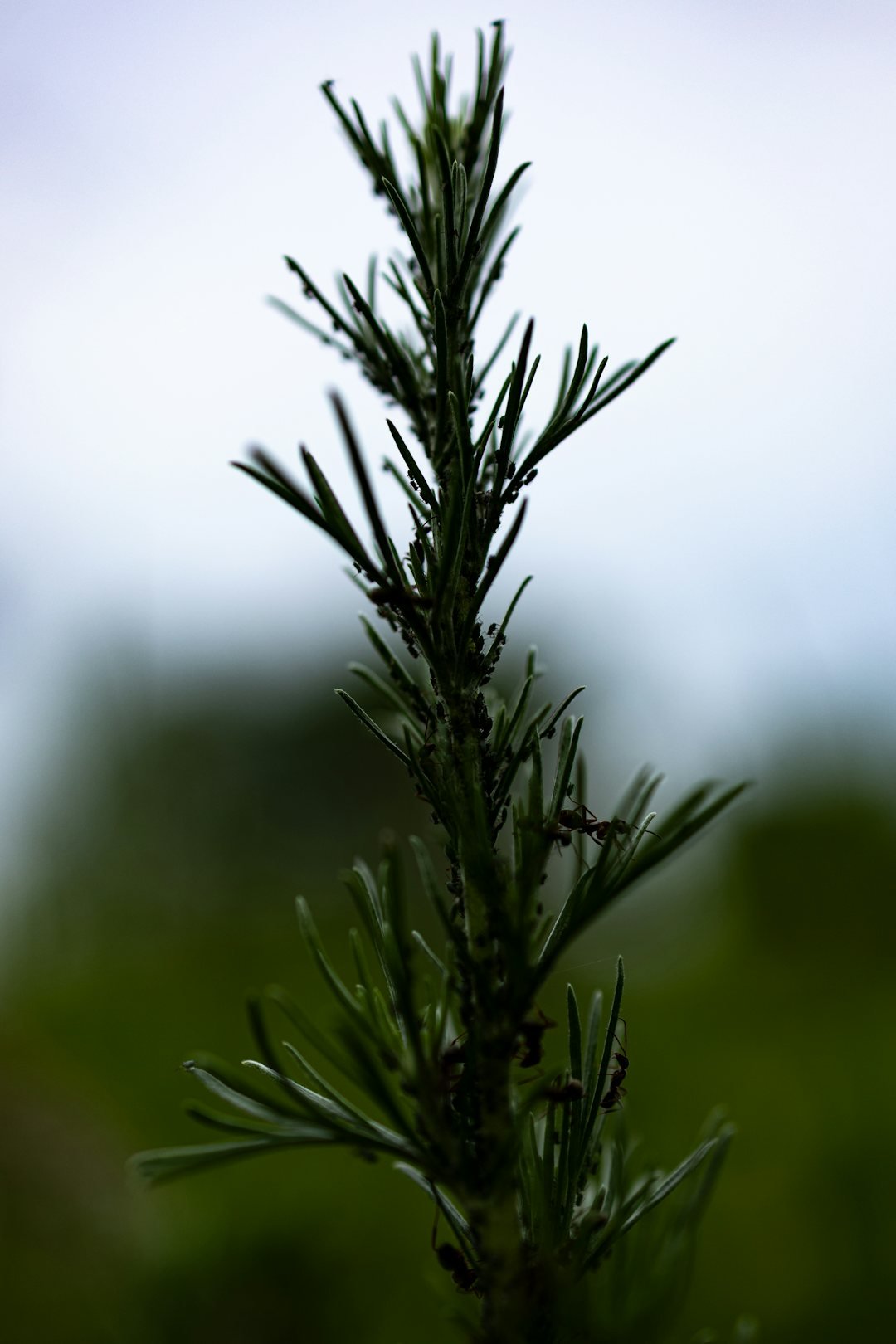
The most serious threat is the Asian citrus psyllid, which spreads incurable citrus greening disease. Because of it, federal and state quarantines restrict shipping citrus trees into several states, including California, Arizona, Florida and Louisiana.
Encourage beneficial ladybugs, lacewings and parasitic wasps, which control many common pests naturally. For heavier infestations, spray neem oil, insecticidal soap, horticultural oil or diluted Castile soap, covering leaf undersides thoroughly during cool evening hours.
Diseases And Common Problems
Root rot, caused by Phytophthora water molds in soggy soil, is a leading killer of home lime trees. Other serious diseases include citrus canker, citrus greening, melanose, greasy spot, citrus scab and the tristeza virus.
Many leaf diseases respond to preventive copper fungicide sprays, but citrus greening has no cure. Remove and destroy infected material, sanitize tools, and report suspected greening to your state agriculture department or local extension office.
Yellowing leaves signal overwatering or nutrient shortages, while brown leaf tips point to dry air or salt buildup. Leaf curl can indicate pests, and stunted growth with no fruit suggests poor light or weak roots.
Lime Tree FAQs
How Long Does A Lime Tree Take To Bear Fruit?
A grafted lime tree bought from a nursery usually begins fruiting within 3 to 5 years of planting. Young trees may produce a few limes earlier, but meaningful harvests generally start around the fifth year.
Trees grown from seed take far longer, often 4 to 10 years, and some never fruit well at all. Nursery trees are usually two or three years old at purchase, which shortens the wait considerably.
Full sun, steady watering and regular citrus feeding speed things up noticeably. Once established, a healthy, mature lime tree can bloom and fruit several times each year, especially Persian limes in consistently warm, frost-free climates.
How Often Should You Water A Lime Tree?
Water when the top 2 inches of soil feel dry. Newly planted trees need water every other day initially, then once or twice weekly, while established trees prefer deep soaking every one to two weeks.
Potted limes dry out faster than in-ground trees, so check them every few days in summer. Hot, dry and windy weather increases water demand sharply, while cool, cloudy or rainy periods mean far less watering.
Always water deeply until excess drains from the bottom. Frequent shallow sprinkling keeps roots near the surface and weakens the tree, while constantly soggy soil invites root rot, a leading cause of lime tree deaths.
What Temperature Is Too Cold For A Lime Tree?
Lime trees grow best between 70 and 85°F and slow down below about 55°F. Brief dips to 32°F can damage leaves and fruit, and a hard freeze below 28°F may kill young or potted trees.
Key limes are among the most cold-sensitive citrus, while Persian limes tolerate slightly lower temperatures. Neither handles regular frost well, so gardeners outside zones 9 to 11 should grow their limes in large, movable containers.
Bring potted trees indoors once nights regularly fall below 50°F. For in-ground trees, watch local forecasts closely and cover them with frost cloth before temperatures approach freezing, removing the covers once sunny mornings warm up.
Why Is My Lime Tree Not Producing Fruit?
The most common causes are insufficient sunlight, an immature tree, irregular watering and poor nutrition. A lime tree needs at least six hours of direct sun, and ideally more, to flower heavily and set fruit.
Too much nitrogen can also cause the problem, pushing lush green leaves instead of blossoms. Cold snaps, sudden relocation indoors or drought during flowering often trigger flower and fruit drop before any limes fully develop.
Check root health too, because root rot or a severely pot-bound tree limits flowering. Correct light, water and feeding first, then allow a full season, since trees often need time to recover and bloom again.
Can You Grow A Lime Tree Indoors?
Yes, lime trees grow surprisingly well indoors when light is strong enough. Dwarf Key limes and semi-dwarf Persian limes suit containers best, reaching a manageable size while still producing fragrant flowers and genuinely usable fruit.
Place the tree by a bright south-facing window and add a full-spectrum grow light during short winter days. Keep indoor humidity above 50% with a pebble tray and avoid drafts, heating vents and temperature swings.
Many growers move indoor limes outdoors for summer to boost flowering and fruiting. Make transitions gradually over about a week, and hand pollinate indoor blossoms with a small, soft brush to improve overall fruit set.
Do Lime Trees Need Another Tree To Pollinate?
No, most lime varieties are self-pollinating, so a single tree can produce a full crop without a second partner tree. This makes limes ideal for small yards, patios and indoor growers with limited growing space.
Bees and other pollinators still help by moving pollen between flowers, which often increases yields noticeably. Outdoor trees usually receive plenty of natural pollinator visits, especially when nectar-rich flowering plants grow nearby throughout early spring.
Indoor trees lack insect visitors, so gently brushing pollen between open blossoms with a soft paintbrush mimics visiting bees. Planting two different citrus varieties together is optional and may slightly improve fruit set through cross-pollination.
Pingback: Citrus Tree Care: Watering, Fertilizing & Pest Control Guide