Avocado Tree: How To Grow One From Seed Or Nursery Stock And Get Fruit
On this page
- Avocado Tree Growing Guide For Home Gardens
- Seed Or Grafted Tree: Which Should You Grow?
- How To Grow An Avocado Tree From Seed
- USDA Zones And Cold Hardiness For Avocado Trees
- A And B Flower Types And Pollination
- Best Avocado Varieties For Home Gardens
- Best Site And Soil For An Avocado Tree
- How To Plant A Grafted Avocado Tree
- Growing Avocado Trees In Pots
- Watering Avocado Trees
- Fertilizing Avocado Trees
- Pruning Avocado Trees
- Avocado Root Rot And Other Problems
- When And How To Harvest Avocados
- Avocado Tree FAQs
Avocado Tree Growing Guide For Home Gardens
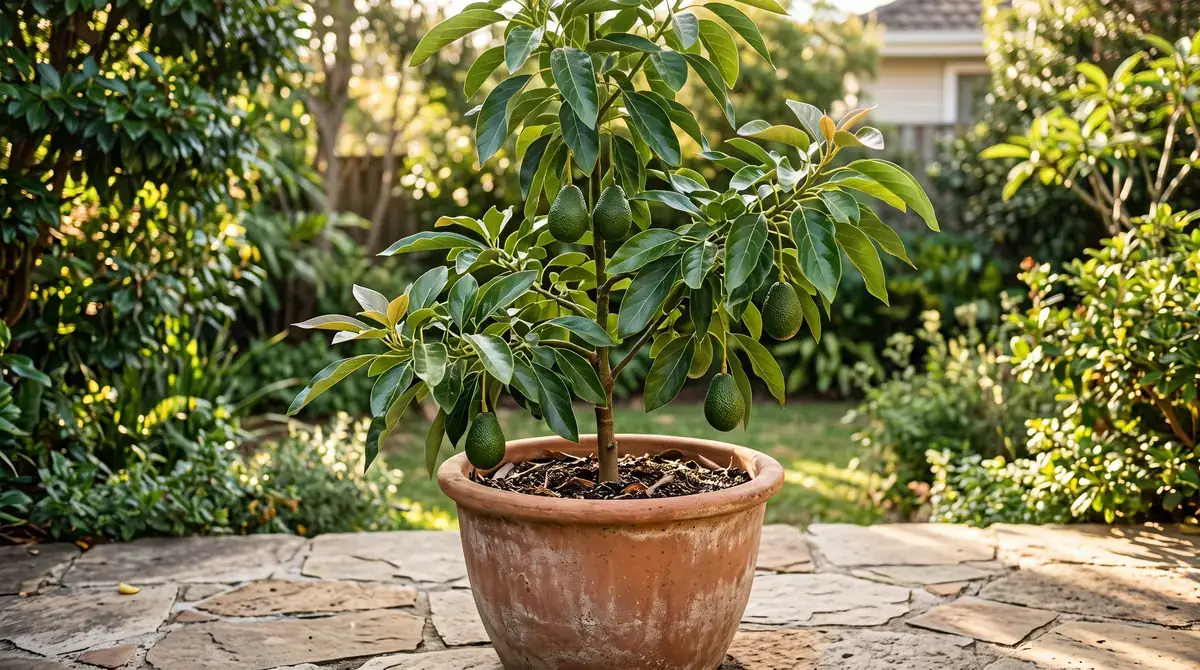
An avocado tree can be grown two ways: from the seed inside a store-bought fruit, or from a grafted tree bought at a nursery. Both make attractive evergreen trees. Only one, however, gives you reliable fruit within a few years.
Avocados are subtropical fruit trees, so cold, wet roots and poor drainage are their main enemies. Your USDA zone decides whether the tree lives outdoors all year, needs frost cover or grows in a container you can move indoors.
This guide covers both routes, from sprouting a pit on a windowsill to planting a grafted tree in the ground. It also explains A and B flower types, watering, feeding, pests and how to tell when the fruit is ready to pick.
Seed Or Grafted Tree: Which Should You Grow?
A seed-grown avocado is a genetic surprise. The pit from a Hass fruit does not grow into a Hass tree, because avocados cross-pollinate. The new tree may produce good fruit, poor fruit or none at all.
Seedlings are also slow. Most take 5 to 13 years to flower, and many indoor seedlings never fruit. They make a lovely houseplant and a fun project with children, but they are not a dependable harvest plan.
A grafted nursery tree is a known variety joined onto a sturdy rootstock. It usually fruits within 3 to 4 years of planting and stays truer to size. If fruit is your goal, buy a grafted tree and grow a seed for fun.
| Factor | From Seed | Grafted Nursery Tree |
|---|---|---|
| Cost | Free | About $40 to $150 depending on size |
| Years to fruit | 5 to 13, sometimes never | 3 to 4 |
| Fruit quality | Unpredictable | Same as the named variety |
| Tree size | Often very tall | Predictable; dwarf types available |
| Best use | Houseplant, rootstock, learning project | Home fruit harvest |
How To Grow An Avocado Tree From Seed
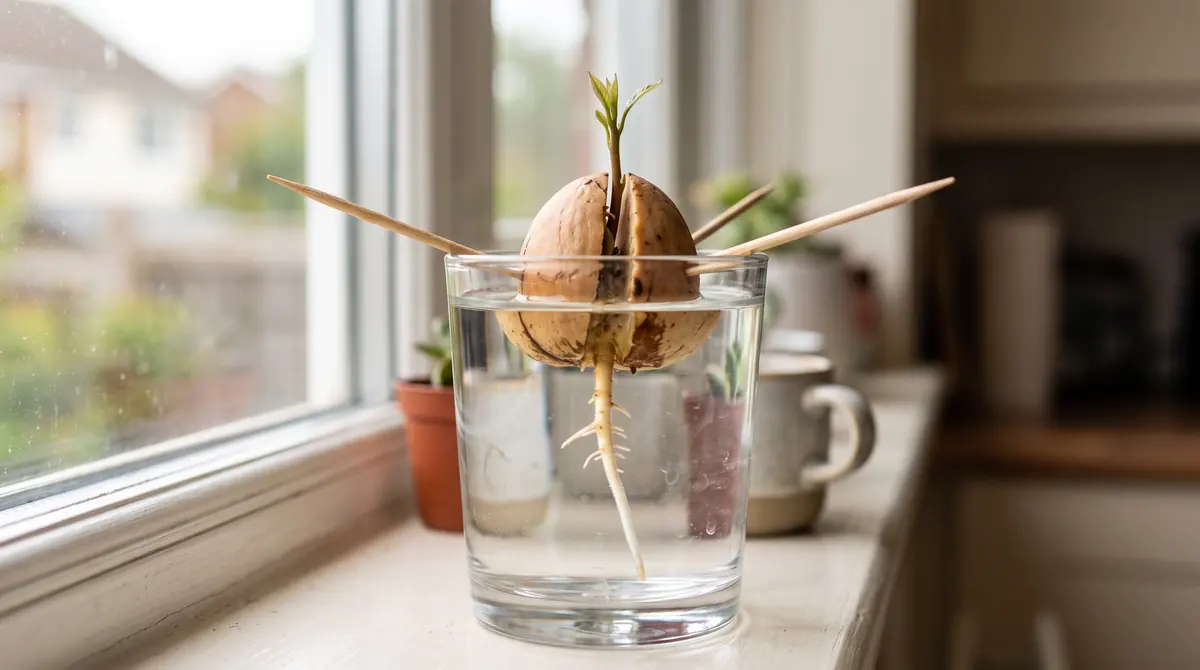
Start with a pit from a ripe fruit. Wash off all the flesh, then find the top and bottom. The slightly pointed end is the top, where the shoot grows. The flatter, broader end is the bottom, where roots emerge.
The Water Method
Push three or four toothpicks into the sides of the seed at a slight downward angle. Rest the toothpicks on the rim of a glass so the bottom third of the seed sits in water. Place the glass in a bright, warm spot out of direct sun.
Change the water every few days to stop mold and bacteria. In warm rooms around 75°F to 80°F, the seed splits and a root appears in about two to eight weeks. A shoot follows from the top a few weeks later.
The Soil Method
You can also plant the seed straight into a pot. Fill a deep pot with a fast-draining mix, then bury the seed with its top half above the surface. Keep the mix lightly moist, never soggy. Many growers find soil-started seeds grow stronger roots.
Potting And Pinching The Seedling
When the root is thick and the stem reaches about 6 to 7 inches, cut the stem back to about 3 inches. This feels harsh, but it makes the seedling branch and grow bushier instead of becoming one tall, thin stem.
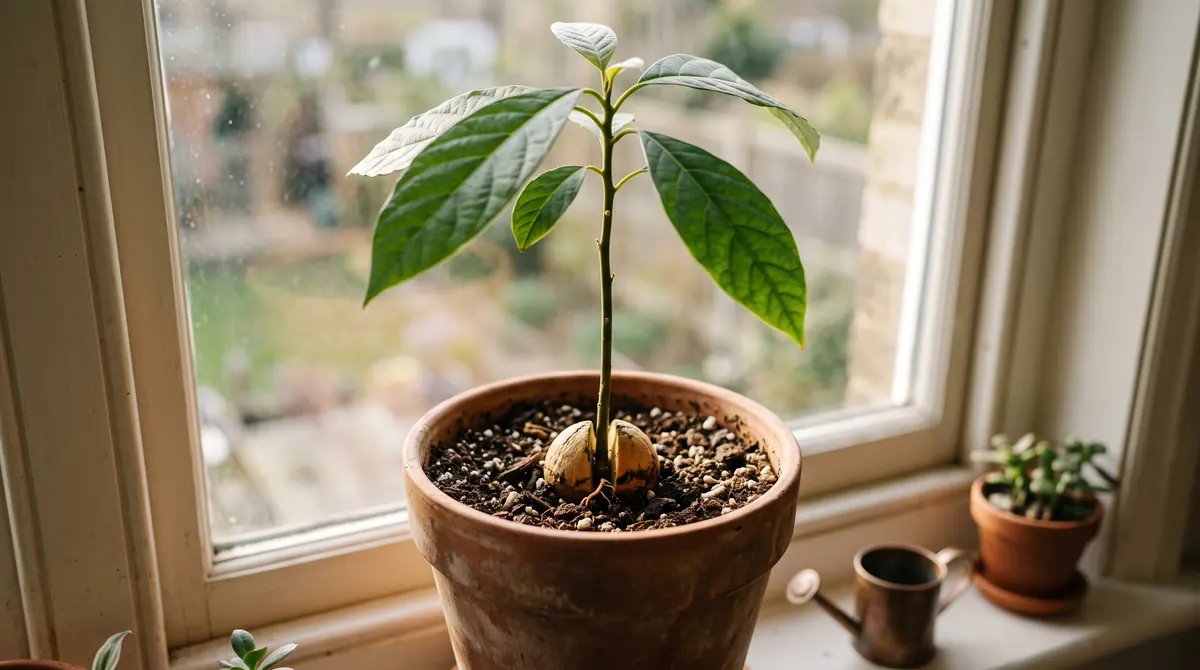
Once the roots fill the glass, move the seedling into a 10-inch pot with drainage holes. Leave the top half of the seed exposed. Give it a sunny window and pinch the newest two leaves each time the stem grows another 6 inches.
USDA Zones And Cold Hardiness For Avocado Trees
Avocados grow outdoors in USDA zones 9 to 11, mainly in California, Florida, Hawaii, southern Texas and parts of Arizona. Elsewhere, they live in containers that move indoors before the first frost.
Cold tolerance depends on the race of avocado. Mexican types are the hardiest, with mature trees surviving brief drops to about 18°F to 20°F. Guatemalan types handle about 26°F to 30°F. West Indian types, common in South Florida, are damaged near freezing.
Young trees are always more tender than mature ones. Cover them with frost cloth on cold nights, water the soil the day before a freeze and string old-style incandescent lights through the canopy for extra warmth.
A And B Flower Types And Pollination
Avocado flowers have an unusual timing system. Each flower opens twice: first as a female, then the next day as a male. Varieties fall into two groups, called type A and type B, based on when each phase happens.
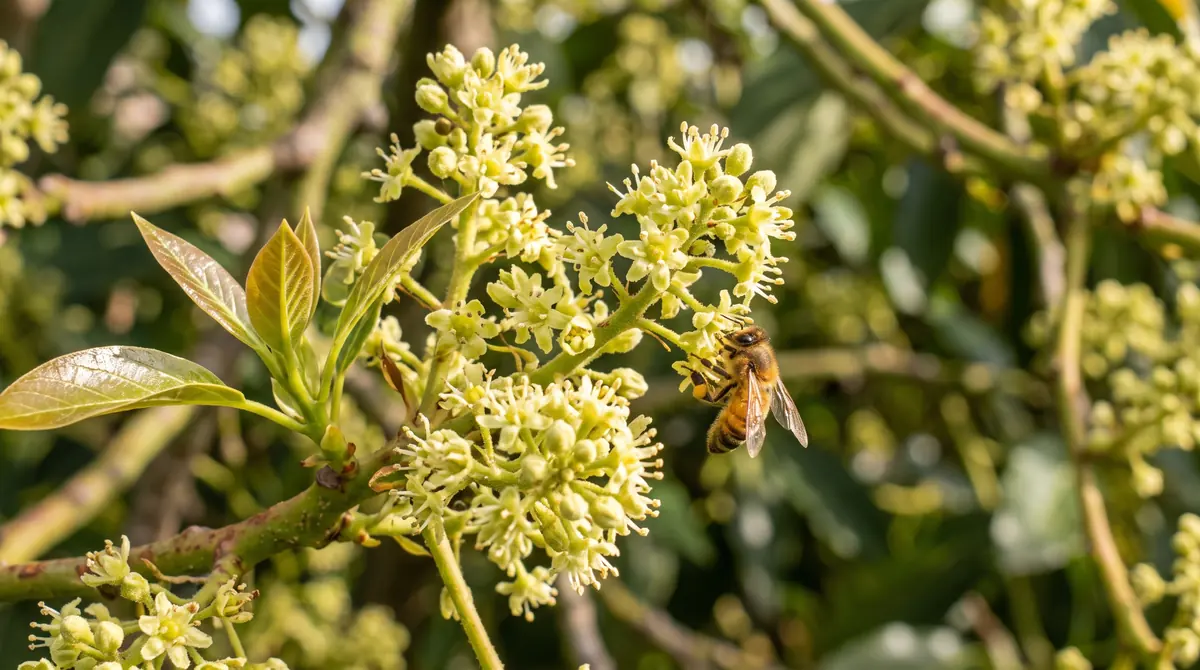
Type A flowers open as female in the morning and as male the following afternoon. Type B flowers do the reverse, opening as female in the afternoon and male the next morning. Planting one of each lines up pollen with receptive flowers.
Most single trees still set some fruit, because cool or variable weather overlaps the phases. Bees do most of the pollinating. However, if you have room, pairing an A and a B variety within about 50 feet usually improves the crop.
Best Avocado Varieties For Home Gardens
The best variety depends on your winter low, your space and when you want fruit. Choose a cold-hardy type for marginal areas and a dwarf type for patios. Then add a partner of the opposite flower type if you can.
| Variety | Flower Type | Cold Hardiness | Tree Size | Why Grow It |
|---|---|---|---|---|
| Hass | A | About 30°F | Large | Classic rich, pebbly fruit; long hang time on the tree |
| Lamb Hass | A | About 30°F | Medium, upright | Hass-like fruit that ripens later in the season |
| Reed | A | About 30°F | Medium, upright | Large round fruit, buttery flesh, summer harvest |
| Wurtz (Little Cado) | A | About 30°F | Dwarf, 8 to 12 feet | The usual pick for large containers and small yards |
| Fuerte | B | About 26°F | Large, spreading | Smooth green skin, good partner for Hass |
| Bacon | B | About 24°F | Medium to large | Hardy, mild fruit, suits cooler inland areas |
| Zutano | B | About 25°F | Large, upright | Reliable pollinator, tolerates cold well |
| Mexicola | A | About 18°F to 20°F | Large | Very hardy, small thin-skinned fruit |
Hardiness figures are for established trees and vary with how long the cold lasts. Confirm local performance with your county extension office or a nearby specialist nursery before you buy.
Best Site And Soil For An Avocado Tree
Pick the sunniest, most sheltered spot you have. Avocados need at least six hours of direct sun and protection from strong wind, which snaps brittle branches and dries the leaves. A south-facing wall adds warmth in cooler areas.
Drainage matters more than anything else. Avocado roots need air, and standing water for even a day or two can invite root rot. Avoid low spots, lawns with sprinklers and heavy clay that stays wet after rain.
Aim for a soil pH of about 6.0 to 6.5. In clay or poorly drained ground, plant on a wide mound about 1 to 2 feet high and 3 to 5 feet across. Give a standard tree 20 feet or more from buildings and other trees.
How To Plant A Grafted Avocado Tree
Plant in spring, once the danger of frost has passed and before summer heat. This timing gives roots a full warm season to settle in. In mild coastal areas, early summer planting also works well.
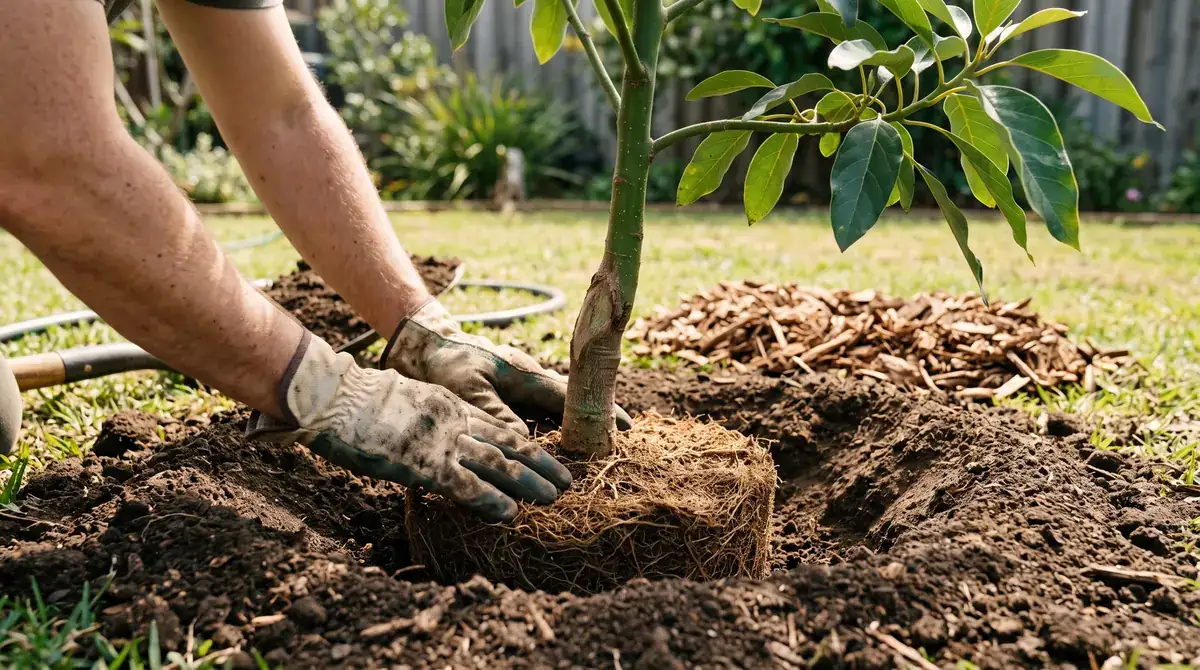
Dig a hole as deep as the root ball and two to three times as wide. Avocado roots are very sensitive, so handle the root ball gently and do not tease or break the roots apart. Set the tree so the top of the root ball sits level with the ground.
Backfill with the native soil rather than rich compost, which can hold too much water. Water slowly and deeply. Then spread a 3 to 6 inch layer of coarse wood chip mulch across the root zone, keeping it a few inches from the trunk.
Young avocado bark burns easily in strong sun. Paint the trunk with white interior latex paint diluted half and half with water, or wrap it with a trunk guard, until the canopy grows enough to shade it.
Growing Avocado Trees In Pots
Containers let you grow avocados almost anywhere. Choose a dwarf grafted variety such as Wurtz and start in a 15 to 20 gallon pot. Use a fast-draining potting mix with extra bark or perlite, and make sure the pot has large drainage holes.
Potted trees dry out quickly in summer, so check moisture every few days and water when the top 2 inches feel dry. Move the tree indoors before nights drop below about 40°F. A bright south window or grow light keeps it healthy through winter.
Container avocados can fruit, but crops are small. Pollination is harder indoors, so move the tree outside during spring flowering if you can. As with a potted lemon tree, repot every two to three years.
Watering Avocado Trees
Most avocado feeder roots sit in the top 6 inches of soil, so they dry out quickly yet drown easily. The aim is deep, infrequent watering that lets the surface dry slightly between sessions.
Water a new tree two or three times a week for the first few weeks, then about once a week. Established trees need deep watering roughly every one to two weeks in warm weather, more often during heat waves and less in winter.
Check the soil with a trowel or moisture meter before watering. Wilting can mean either too little or too much water. If the soil is wet and the leaves still droop, stop watering and suspect root problems.
Fertilizing Avocado Trees
Nitrogen is the nutrient avocados need most. Feed young trees lightly every two to three months from late winter to early fall with a balanced citrus and avocado fertilizer. Follow the label, and never feed late in the year.
Mature trees usually need feeding only a few times a year. Zinc deficiency is common, especially in alkaline soils, and shows as small, mottled leaves at the shoot tips. A fertilizer with zinc or a foliar zinc spray corrects it.
Avocados are sensitive to salt. Leaf tips that turn brown and crispy often signal salt build-up from fertilizer or hard water. Water deeply now and then to flush salts below the root zone.
Pruning Avocado Trees
Avocados need little pruning. Remove dead, damaged and crossing branches in spring after the danger of frost has passed. Light shaping keeps the tree low enough to pick from the ground.
Avoid heavy cuts in one season. Large pruning wounds expose bark to sunburn and can cost you a year of fruit. If a tree has grown too tall, lower it over two or three years instead.
Leave the lower branches and fallen leaves where possible. The leaf litter acts as natural mulch and helps protect the shallow roots from root rot.
Avocado Root Rot And Other Problems
Phytophthora root rot is the most serious avocado disease. It is caused by a soil-borne water mold that thrives in wet, poorly drained soil. Infected trees have small, pale, wilting leaves, branch dieback and few feeder roots.
Prevention is the only reliable cure. Plant on mounds, never overwater, mulch with coarse wood chips and buy certified disease-free trees. Do not plant a new avocado where one has died of root rot.
Other problems include sunburned bark and fruit, thrips and mites that scar leaves and fruit, and squirrels and rats that eat ripe fruit. Read our tree care guides for general pest and disease help.
When And How To Harvest Avocados
Avocados mature on the tree but only soften after picking. A fruit can hang on the branch for months without ripening, which lets you store the crop on the tree and pick as you need it.
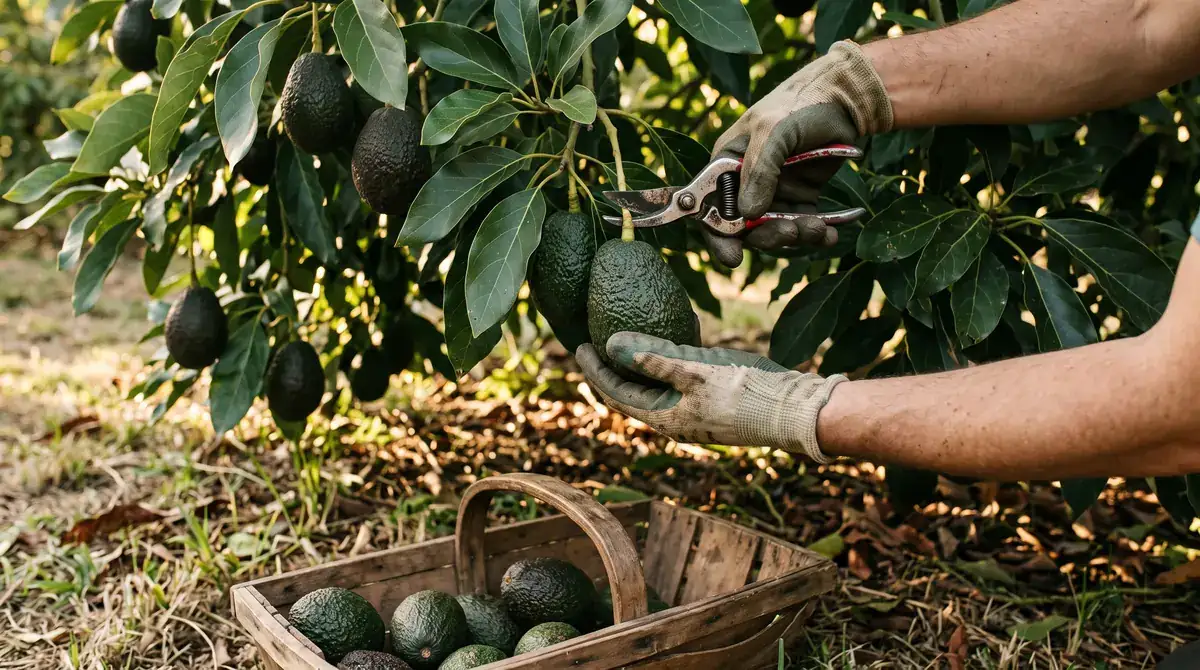
Mature fruit is full-sized and has lost its glossy shine. Hass skin turns darker as it matures. Test by picking one or two fruits and leaving them at room temperature. If they soften in one to two weeks without shriveling, the crop is ready.
Clip each fruit with pruners, leaving a short piece of stem attached. Pulling the fruit off can tear the skin and let rot in. Ripen at room temperature, then refrigerate ripe avocados for a few extra days.
Avocado Tree FAQs
How Long Does It Take An Avocado Tree To Bear Fruit?
A grafted avocado tree usually fruits 3 to 4 years after planting. A tree grown from seed can take 5 to 13 years and may never produce good fruit. Full sun, steady watering and an A and B pair all help.
Will An Avocado Tree From Seed Produce Fruit?
It can, but results are unpredictable. Seedlings are not true to their parent, so fruit may be small or poor in flavor. Many seedlings grown indoors never flower at all.
Do You Need Two Avocado Trees To Get Fruit?
No, a single tree usually sets some fruit. However, planting one type A and one type B variety close together often improves pollination and gives a bigger crop.
Can You Grow An Avocado Tree Indoors?
Yes, as a container plant. Choose a dwarf grafted variety such as Wurtz, use a fast-draining mix and give it bright light. Move it outdoors in summer for better growth and pollination.
Why Are My Avocado Leaves Turning Brown?
Brown, crispy leaf tips usually point to salt build-up from fertilizer or hard water. Brown, wilting leaves on wet soil can signal root rot. Sunburn and frost damage also brown leaves.
How Cold Can An Avocado Tree Survive?
It depends on the variety. Mexican types such as Mexicola survive brief dips to about 18°F to 20°F, while Hass is damaged near 30°F. Young trees are more tender than established ones.
Pingback: Mango Tree: How To Grow, Care For And Harvest Mangoes