Mango Tree: How To Grow, Care For And Harvest Mangoes In Warm Climates
On this page
- Mango Tree Growing Guide For Home Gardens
- Seed Vs Grafted Mango Trees
- How To Grow A Mango Tree From Seed
- Mango Tree Climate And Cold Hardiness
- Best Mango Tree Varieties For Home Gardens
- Choosing A Site And Planting A Mango Tree
- Growing Mango Trees In Pots
- Watering A Mango Tree
- Fertilizing Mango Trees
- Pruning A Mango Tree
- Mango Flowering And Fruit Set
- Mango Tree Pests And Diseases
- When And How To Harvest Mangoes
- Mango Sap And Skin Irritation
- Mango Tree FAQs
Mango Tree Growing Guide For Home Gardens
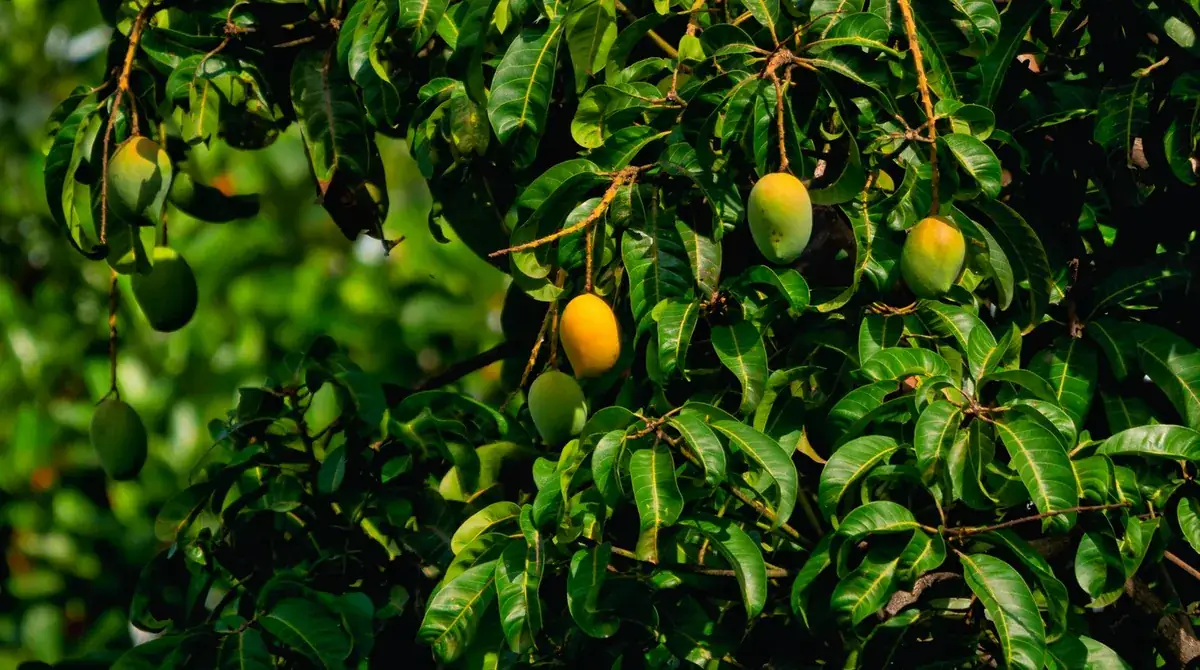
A mango tree (Mangifera indica) is an evergreen fruit tree from South Asia, grown there for more than 4,000 years. Left unpruned, many varieties reach 30 to 100 feet. Choose the right variety and prune yearly, and you can pick fruit from the ground.
In the United States, mangoes grow outdoors in USDA zones 10 and 11. That covers South Florida, Hawaii, Puerto Rico and the warmest frost-free spots of Southern California and South Texas. In zone 9b, try a sheltered site with frost cover, or grow one in a pot.
The numbers below come from University of Florida IFAS Extension and the University of Hawaii College of Tropical Agriculture and Human Resources (CTAHR).
Seed Vs Grafted Mango Trees
Most nursery mangoes are grafted onto a seedling rootstock, often the polyembryonic ‘Turpentine’, which tolerates high pH soil. Grafted trees fruit sooner and give you the exact fruit you paid for. A seedling is a gamble unless its seed was polyembryonic.
| Feature | Grafted tree | Seed-grown tree |
|---|---|---|
| Years to first fruit | 3 to 5 | Often 5 to 8 or more |
| Fruit quality | Same as the named variety | True to type only from polyembryonic seed |
| Tree size | Depends on variety; dwarf types stay small | Usually large and vigorous |
| Best use | Home fruit production | Rootstock, shade tree or experiment |
How To Grow A Mango Tree From Seed
Use a fresh seed from a ripe fruit. Mango seeds lose viability quickly once they dry, so plant within a few days.
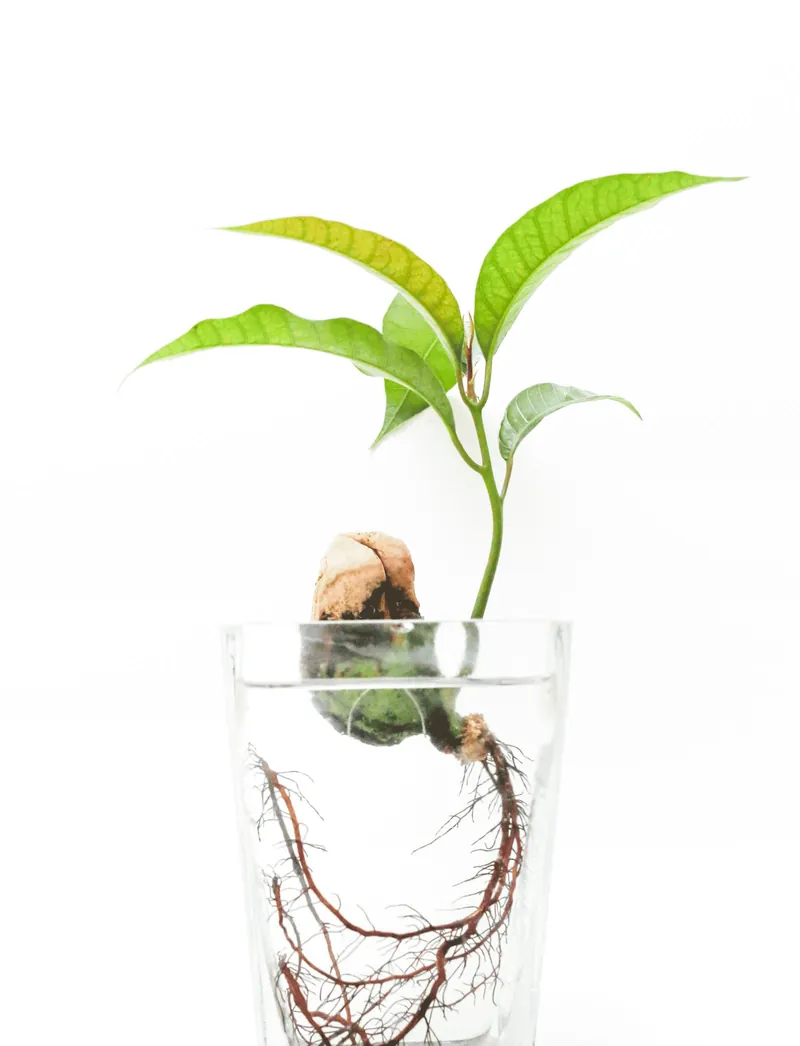
- Scrub off the flesh and let the husk dry for a day.
- Cut along the edge of the woody husk with sturdy shears and lift out the bean-shaped seed.
- Plant it on its side, about 1 inch deep, in a gallon pot of free-draining mix.
- Keep it warm and lightly moist in bright, indirect light. Sprouts often appear within a few weeks.
A polyembryonic seed holds several embryos, and most are copies of the mother tree. One seed may send up two or three shoots, and these clones fruit like the parent. ‘Nam Doc Mai’ is one example. A monoembryonic seed holds a single hybrid embryo, so its fruit will differ. ‘Haden’, ‘Kent’ and ‘Tommy Atkins’ are monoembryonic.
Mango Tree Climate And Cold Hardiness
UF/IFAS reports that young trees may be killed at 29 to 30°F. Mature trees survive 25°F for a few hours but lose leaves and small branches. Flowers and small fruit can die below 40°F.
Mangoes do not harden off to cold, and no variety has shown better cold resistance in Florida. Plant on the south side of a house or near paving that holds heat. On frost nights, cover young trees to the ground with frost cloth.
A dry winter helps too. CTAHR notes mangoes fruit best where yearly rainfall is under about 60 inches, with dry weather during bloom.
Best Mango Tree Varieties For Home Gardens
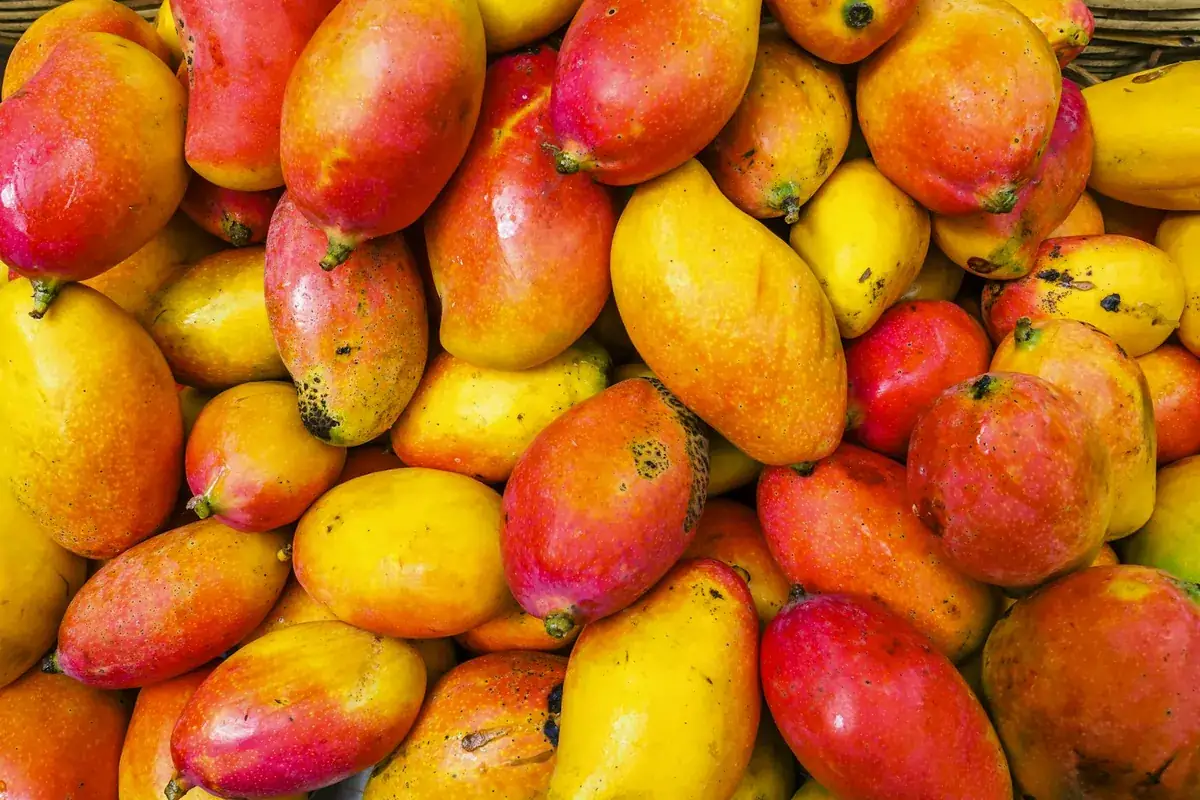
Pick for space first and taste second. Low and moderate vigor trees are far easier to keep small with annual pruning.
| Variety | Florida season | Fruit weight | Tree vigor | Anthracnose | Seed |
|---|---|---|---|---|---|
| Haden | June to July | 16 to 24 oz | High | Susceptible | Mono |
| Kent | July to August | 16 to 30 oz | High | Very susceptible | Mono |
| Keitt | August to September | 20 to 40 oz | Moderate to high | Moderately resistant | Mono |
| Tommy Atkins | June to July | 16 to 24 oz | High | Moderately resistant | Mono |
| Glenn | June to July | 12 to 18 oz | Moderate | Moderately susceptible | Mono |
| Nam Doc Mai | June to July | 12 to 20 oz | Moderate to high | Moderately susceptible | Poly |
| Carrie | June to July | 10 to 12 oz | High | Moderately resistant | Mono |
| Valencia Pride | July to August | 21 to 32 oz | High | Susceptible | Mono |
| Cogshall | June to July | 10 to 16 oz | Low to moderate | Susceptible | Mono |
| Ice Cream | June to July | 8 to 9 oz | Low | Susceptible | Mono |
| Julie | June to July | 9 to 16 oz | Low | Susceptible | Mono |
Source: UF/IFAS variety ratings. For small yards, choose a “condo” mango such as ‘Cogshall’, ‘Ice Cream’ or ‘Julie’. ‘Pickering’ is not in the UF table, but Fairchild Tropical Botanic Garden describes it as a bushy condo type that can be held near 6 feet in a container.
Choosing A Site And Planting A Mango Tree
Good placement saves years of trouble. Mangoes live a long time, and their roots spread past the canopy.
Site And Soil
Pick the warmest, sunniest spot that never floods. Mangoes grow in sand, limestone and loam, and CTAHR prefers a soil pH of 5.5 to 7.5. If water pools after storms, plant on a mound of native soil 2 to 3 feet high. Space large, unpruned trees 25 to 30 feet from buildings and power lines. Pruned low-vigor trees can go 12 to 15 feet apart.
Planting Steps
- Buy a healthy tree, often 2 to 4 feet tall in a 3-gallon pot. Avoid big trees in small, root-bound pots.
- Clear a 3 to 10 foot circle of grass.
- Dig a hole 3 to 4 times wider and 3 times deeper than the container.
- Backfill with native soil. Mix in no more than half compost, and skip fertilizer in the hole.
- Set the root ball level with or slightly above grade, firm gently and water at once.
- Mulch 2 to 6 inches deep, keeping it 8 to 12 inches from the trunk.
Growing Mango Trees In Pots
A pot lets cooler-zone gardeners move the tree indoors before frost. Choose a condo variety such as ‘Pickering’, ‘Cogshall’, ‘Ice Cream’ or ‘Julie’. Standard types like ‘Kent’ soon outgrow containers.
Start in a 15-gallon pot and step up to 25 gallons or more. Use coarse, fast-draining mix and a pot with several drainage holes. Water when the top 2 inches feel dry. Feed often, since nutrients wash out of pots. Move the tree to shelter when nights near 40°F.
Watering A Mango Tree
UF/IFAS advises watering new trees every other day for the first week, then 1 to 2 times a week for a couple of months. For the first 3 years, water weekly whenever 5 or more days pass without rain.
Trees 4 years and older need water only in long spring and summer droughts, and little or none in fall and winter. Holding back water before bloom helps flowering and fruit set. Overwatering a mature mango tree can lower fruit quality and cause root rot, so keep lawn sprinklers off its root zone.
Fertilizing Mango Trees
Young trees need nitrogen to build a frame. Bearing trees need potassium and trace elements far more than nitrogen.
| Tree stage | How often | Amount and mix |
|---|---|---|
| First year | Every 2 to 3 months | Start at 1/4 lb and rise to 1 lb per feeding; a mix like 6-6-6-2 (N-P-K-Mg) |
| Young, after year 1 | 2 to 3 times a year | Increase the amount as the tree grows |
| Bearing trees | 2 to 3 times a year | Little or no nitrogen; high potash, such as 6-3-16 or 0-0-22 |
On alkaline limestone soils, UF/IFAS suggests yearly foliar sprays of copper, zinc, manganese and boron, plus a chelated iron (FeEDDHA) drench 2 to 3 times a year. Use boron only at very low rates. Too much nitrogen on bearing trees causes internal breakdown, or jelly seed, where flesh near the tip turns soft and watery.
Pruning A Mango Tree
Tip pruning, cutting back the ends of young shoots, makes the tree branch and builds a strong, low frame. Prune bearing trees soon after harvest. Mangoes flower at the tips of mature shoots, so new growth needs time to harden before winter bloom.
Each year, remove a few upper limbs back to their origin. This keeps light on the lower canopy and cuts storm damage. Hard pruning will not kill a tree, but it can cost one to several crops. Hire a licensed arborist once a tree passes 25 to 30 feet. Our tree care guides explain clean pruning cuts and tools.
Mango Flowering And Fruit Set
Mango flowers form in branched clusters called panicles at shoot tips. In Florida and Hawaii, bloom runs roughly December to April.
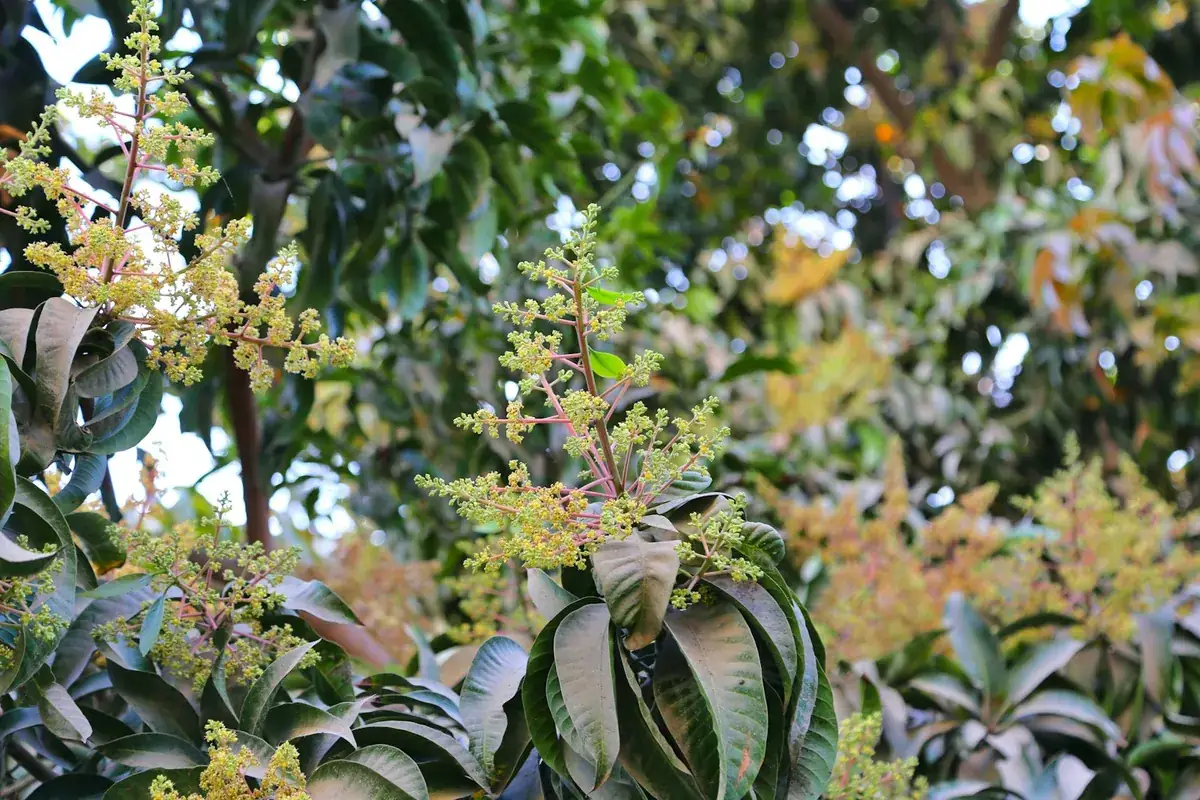
One panicle holds 550 to more than 4,000 small flowers, and most are male. Thrips and flies do most of the pollinating. Most Florida varieties average less than one fruit per panicle, so heavy flower drop is normal.
Many trees fall into alternate bearing, with a big crop one year and a light one the next. Steady feeding and moderate pruning help even this out. A mature Florida tree can yield 4 to 6 bushels, about 220 to 330 pounds.
Mango Tree Pests And Diseases
Disease is the main threat in humid climates. Insects rarely cut yields much at home.
Anthracnose And Powdery Mildew
Anthracnose (Colletotrichum gloeosporioides) is the worst mango disease in Florida. It leaves black, sunken spots on flowers, fruit and leaves, and spreads with rain and dew. Powdery mildew coats young panicles with white powder in dry spring weather. UF/IFAS suggests one to two sulfur and copper sprays, starting when panicles reach a quarter of full size and repeating 10 to 21 days later.
Scale, Thrips And Mites
Common pests include false oleander scale, Florida red scale, red-banded thrips and bud mites. Treat only heavy outbreaks.
Mango Seed Weevil
The mango seed weevil (Sternochetus mangiferae) feeds inside the seed and often leaves no outward sign. It is present in Hawaii but not established in Florida. Because of this weevil and fruit flies, Hawaiian mangoes face strict quarantine rules. Never carry fresh mangoes or seeds from Hawaii to the mainland.
When And How To Harvest Mangoes
Fruit matures 100 to 150 days after flowering. In Florida, most varieties ripen from May to September, peaking in June and July.
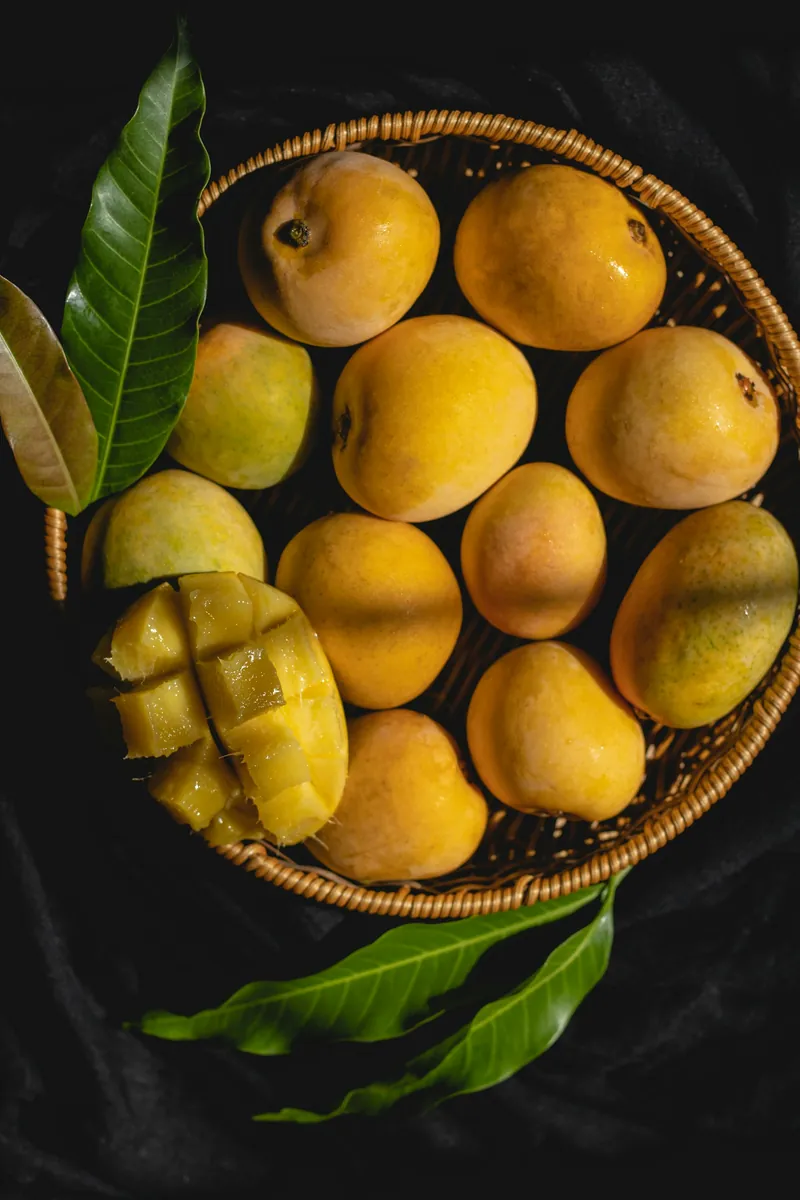
- The shoulders and the nose, the end away from the stem, fill out.
- Colored varieties show a blush, or green skin starts turning yellow.
- Inside, flesh near the seed turns from white to yellow.
Pick firm, mature fruit by hand or with a pole picker. Ripen it at 70 to 75°F, which takes 3 to 8 days. Refrigerate only ripe fruit, since cold damages unripe mangoes.
Mango Sap And Skin Irritation
Mango shares a plant family with poison ivy and cashew. Its sap and peel contain resorcinol compounds closely related to urushiol, the oil behind poison ivy rash. People already sensitized to poison ivy react most often, with itchy blisters on the hands or around the mouth. Wear gloves and long sleeves when pruning or harvesting, and wash off any sap with soap right away.
Planning a warm-climate orchard? The avocado tree guide covers another tree that hates wet feet. Mangoes also pair well with citrus, so see our lime tree guide, lemon tree guide and citrus tree care tips. For a hardier choice, try a fig tree or browse all our fruit trees.
Mango Tree FAQs
How Long Does A Mango Tree Take To Bear Fruit?
A grafted mango tree usually bears fruit 3 to 5 years after planting. A tree grown from seed takes longer, often 5 to 8 years or more, and the fruit may not match the parent unless the seed came from a polyembryonic variety. Full sun and steady care shorten the wait.
Can A Mango Tree Survive A Freeze?
Young mango trees may die at 29 to 30°F, according to UF/IFAS. Mature trees can handle about 25°F for a few hours, but they lose leaves and small branches. Flowers and small fruit are damaged below 40°F. Cover young trees with frost cloth and plant on the warmest side of your home.
What Is The Best Mango Variety For A Small Yard?
Low-vigor condo types suit small yards and patios. ‘Cogshall’, ‘Ice Cream’ and ‘Julie’ are rated low or low to moderate vigor by UF/IFAS. ‘Pickering’ has a compact, bushy habit and can be kept near 6 feet in a container. All of them still need yearly pruning after harvest to stay compact.
Can You Grow A Mango Tree In A Pot?
Yes, if you choose a dwarf or condo variety. Start in a 15-gallon container and move up to 25 gallons or more. Use a fast-draining mix, feed regularly and tip prune after harvest. A pot lets you move the tree indoors when nights approach 40°F, which suits zone 9 and cooler areas.
Why Is My Mango Tree Flowering But Not Producing Fruit?
Most mango flowers are male, and fewer than one fruit per panicle is normal. Bigger losses usually come from anthracnose or powdery mildew on the panicles, cold during bloom, or rain and overwatering at flowering time. Sulfur and copper sprays timed to early panicle growth improve fruit set in many home gardens.
How Do I Know When A Mango Is Ready To Pick?
Mangoes mature 100 to 150 days after bloom. The shoulders and nose broaden, and colored types show a blush or a shift from green toward yellow. Inside, the flesh near the seed turns from white to yellow. Pick firm fruit and ripen it at 70 to 75°F for 3 to 8 days.
Pingback: Money Tree Care: Light, Water And Braided Pachira Tips