Fruit Bushes: 15 Best Fruit Bushes To Grow At Home
On this page
A fruit bush gives you homegrown fruit faster and in less space than almost any fruit tree. Raspberries and blackberries can crop the year after planting, currants and gooseberries in their second year, and blueberries in about three years, all on plants you can reach without a ladder.
This guide covers the 15 best fruit bushes for American gardens, from familiar blueberries and raspberries to cold hardy haskap and native serviceberry. For each one you will find what it needs, how soon it fruits, and whether one plant is enough.
Why Grow Fruit Bushes
Berry bushes and other shrub fruits suit small yards, raised beds and even large containers. Most are very cold hardy, and many tolerate more shade than fruit trees do.
Faster Harvests Than Trees
Fruit trees often take three to five years to bear. According to University of Illinois Extension, raspberries and blackberries fruit one year after planting, currants and gooseberries after two, and blueberries after three. Blueberry bushes can then produce for 20 years or more.
Easy Picking And Small Spaces
Most fruit bushes stay between 3 and 8 feet tall, so pruning, netting and picking happen at arm’s height. Several, including blueberries and gooseberries, also make attractive hedges with fall color.
Best Berry Bushes
These are the classic berry bushes most gardeners start with. They are widely sold, well researched and productive in most of the country.
1. Blueberry
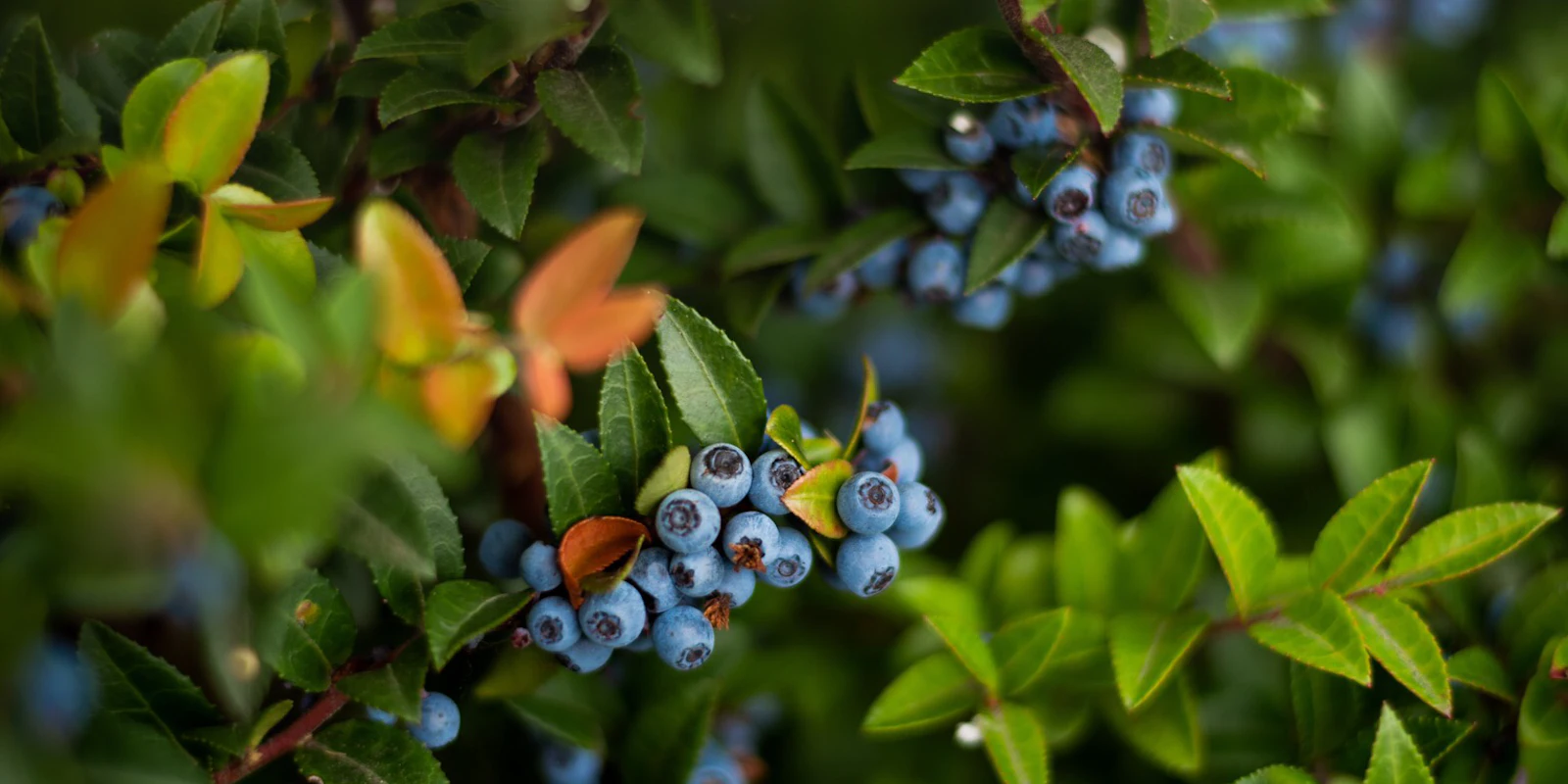
Blueberries need acidic soil, ideally pH 4.8 to 5.2, that is rich in organic matter and never waterlogged. Northern highbush types suit cold areas, while southern highbush and rabbiteye types suit the South. Planting two or more cultivars improves fruit set and berry size, and rabbiteye blueberries need a partner. A mature bush can yield 6 to 10 quarts a year.
2. Raspberry
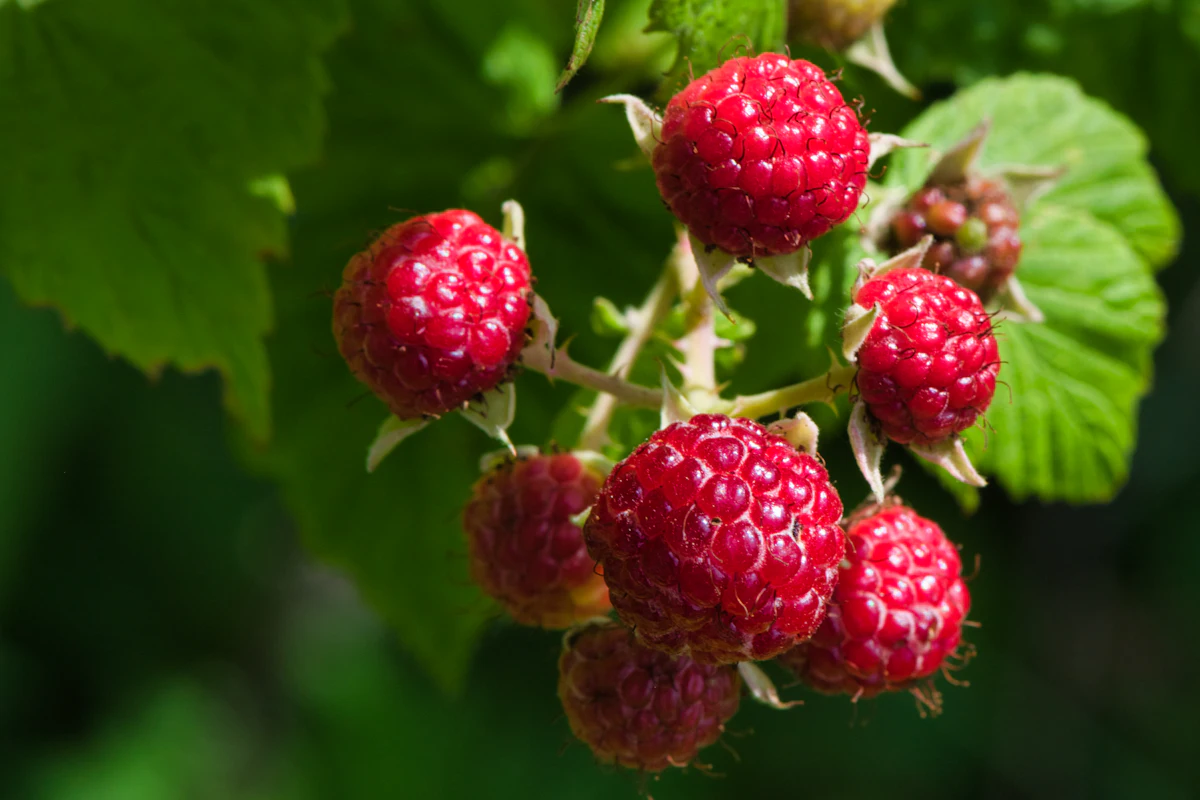
Red raspberries spread by suckers into a row. Summer bearing types fruit on second year canes, called floricanes, which you cut out after harvest. Fall bearing types fruit on the tips of first year canes, and you can mow them to the ground in late winter for one easy fall crop.
3. Blackberry
Blackberries come in erect, semi-erect and trailing forms, with thorny and thornless cultivars. Thornless trailing types need a trellis but can yield 4 to 10 quarts per plant. Blackberries are generally more heat tolerant than raspberries.
Currants, Gooseberries And Relatives
Plants in the Ribes genus are compact, very cold hardy and happy in cool, partly shaded spots with good air flow. They do not like hot, dry sites. They are self-fruitful, so a single bush will crop.
4. Red Currant
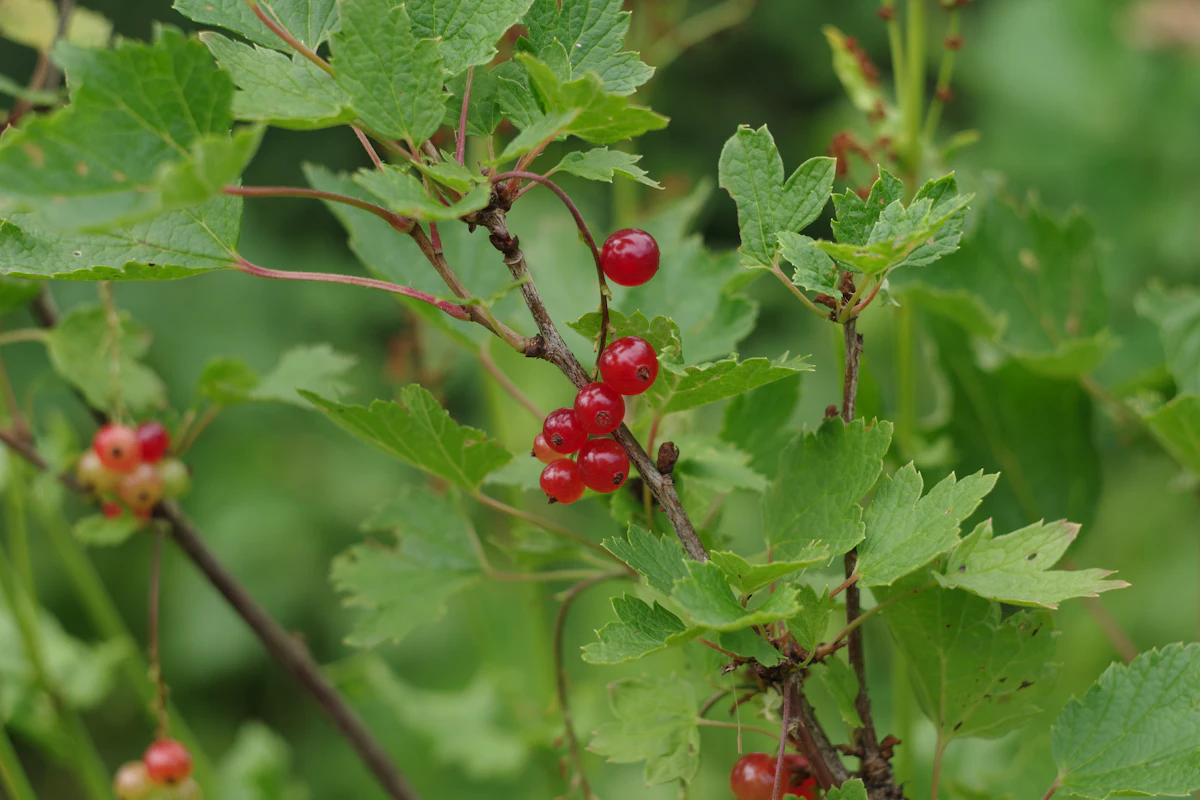
Red currants carry glossy strings of tart berries in early summer, perfect for jelly. A bush grows 3 to 4 feet tall and yields 3 to 4 quarts. White currants are a color form of red currant with milder flavor.
5. Black Currant
Black currants have a strong, musky flavor that is rich in vitamin C and prized for juice and jam. They are more susceptible to white pine blister rust than red currants.
6. Gooseberry
Gooseberries tolerate more shade than most fruit, yield 4 to 5 quarts per bush, and come in green, red and pink fruited types. Most are thorny, so wear gloves when picking.
7. Jostaberry
The jostaberry is a cross between black currant and gooseberry. It grows into a large, vigorous, thornless bush with dark fruit that tastes like a mix of both parents.
A Note On White Pine Blister Rust
Currants and gooseberries are alternate hosts for white pine blister rust, a disease of five needle pines. Some states and local areas restrict planting Ribes, especially black currants, so check with your state department of agriculture or county extension office before you buy.
Cold Hardy And Native Fruit Bushes
These lesser known fruit bushes shine in northern gardens. Several are native to North America and need little care once established.
8. Elderberry
Elderberries grow into large shrubs with flat clusters of white flowers followed by dark purple berries for syrup and jam. They are essentially self-unfruitful, so plant two or more cultivars near each other. Cook the berries before eating, since the raw fruit, leaves and stems can cause stomach upset.
9. Haskap (Honeyberry)
Haskap is one of the hardiest fruit bushes you can grow and one of the first to ripen in late spring. The elongated blue berries taste like a blend of blueberry and raspberry. Plant at least two compatible cultivars that bloom at the same time.
10. Aronia (Chokeberry)
Aronia is a tough native shrub with white spring flowers, red fall color and black berries that are very astringent fresh but excellent in juice, jam and baking. It is self-fruitful and tolerates a wide range of soils.
11. Serviceberry (Saskatoon)
Serviceberries, also called Juneberries or Saskatoons, are native shrubs or small trees with sweet, blueberry like fruit in early summer. Most are self-fruitful. Birds love them, so net bushes if you want the harvest.
12. Nanking Cherry
Nanking cherry is a cold hardy bush cherry with small, bright red, tart sweet fruit. Plant two or more bushes for the best crop. It makes a good flowering hedge.
Unusual Fruit Bushes To Try
Once you have the basics, these three bring something different to the garden.
13. Goji Berry
Goji is a sprawling shrub with small red berries eaten fresh or dried. It handles heat and dry soil better than most berries and is self-fruitful, but it can spread by suckers.
14. Sea Buckthorn
Sea buckthorn is a thorny, very hardy shrub with bright orange berries high in vitamin C. Plants are either male or female, so you need a male plant nearby for the females to fruit. It can sucker widely.
15. Lingonberry
Lingonberry is a low, evergreen shrub related to blueberry that needs the same acidic soil. It works as an edible groundcover and produces small, tart red berries often used in sauces.
How To Plant And Care For Fruit Bushes
Most fruit bushes share the same basic needs: sun, good drainage, steady moisture and a little pruning each year.
Sun, Soil And Spacing
Full sun gives the biggest crops, although most small fruits will grow in partial shade. All except blueberries and lingonberries grow well in soil pH 5.5 to 7.5. Test your soil before planting, and give each bush room to reach its mature size.
| Bush | Spacing in row | Years to first crop | Yield per plant |
|---|---|---|---|
| Blueberry | 4 to 8 ft | 3 | 6 to 10 quarts |
| Red raspberry | 2 to 3 ft | 1 | About 1.5 quarts |
| Thornless blackberry | 6 to 10 ft | 1 | 4 to 10 quarts |
| Currant | 3 to 4 ft | 2 | 3 to 4 quarts |
| Gooseberry | 3 to 4 ft | 2 | 4 to 5 quarts |
| Elderberry | 7 to 8 ft | 2 to 3 | Varies by cultivar |
Watering And Mulch
Blueberries have shallow roots and need about an inch of water a week, plus four to six inches of organic mulch to keep the soil cool and moist. Other bushes also benefit from mulch and regular watering in dry spells, especially while fruit is swelling.
Pruning Basics
Prune most fruit bushes in late winter while they are dormant. Remove dead, weak and very old canes so light reaches the center. Mature blueberries do best with five to seven older canes plus one or two new ones. Mature currants and gooseberries do best with eight to ten bearing canes, removing any canes older than three years.
Growing Fruit Bushes In Pots
Blueberries, compact raspberries, goji and haskap all grow well in large containers. A pot is also the simplest way to grow blueberries where garden soil is too alkaline. For more container ideas, see our guide to dwarf fruit trees for pots.
Frequently Asked Questions
What is the easiest fruit bush to grow?
Raspberries, currants and gooseberries are the easiest for most gardeners. They are self-fruitful, hardy and tolerant of ordinary garden soil. Raspberries also fruit the year after planting.
Which fruit bushes grow in shade?
Gooseberries, currants and black raspberries tolerate more shade than other small fruits. They still crop best with at least a few hours of direct sun and good air circulation.
Do I need two blueberry bushes?
Highbush blueberries can set fruit alone, but planting two or more cultivars usually gives larger crops and bigger berries. Rabbiteye blueberries need a second cultivar for good pollination.
How long do fruit bushes live?
Blueberries can produce for 20 years or more, currants and gooseberries for about 12 to 15 years, and raspberries and blackberries for 8 to 12 years before a planting needs renewing.
When should I plant fruit bushes?
Plant bare root bushes in early spring as soon as the soil can be worked. Container grown plants can go in from spring to early fall, as long as you water them well while they establish.
Final Thoughts
A fruit bush is the quickest route to a homegrown harvest. Start with raspberries or currants for fast, easy results, add blueberries if you can provide acidic soil, and try haskap, aronia or serviceberry if you garden in a cold climate.
Plan Your Berry Patch
Choose two or three bushes that suit your soil and sun, check whether each needs a partner, and leave space to walk between rows. When you are ready to add trees, our guide to types of fruit trees compares 30 options, and you can browse every guide in our fruit trees section.