Kumquat Tree: How To Grow, Care For And Harvest The Cold-Hardy Citrus You Eat Whole
On this page
- Origin And History Of The Kumquat
- Best Kumquat Varieties To Grow
- Climate, Hardiness Zones And Cold Tolerance
- Light Requirements For Kumquat Trees
- Best Soil For Kumquat Trees
- How To Plant A Kumquat Tree
- Watering And Mulching Kumquat Trees
- How To Fertilize A Kumquat Tree
- How To Prune A Kumquat Tree
- Growing Kumquat Trees In Containers And Indoors
- Pollination, Flowering And Fruiting
- How To Propagate Kumquat Trees
- How To Harvest And Store Kumquats
- Common Kumquat Tree Pests
- Kumquat Tree Diseases And Growing Problems
- How To Eat Kumquats And Their Best Uses
- Kumquat Tree FAQs
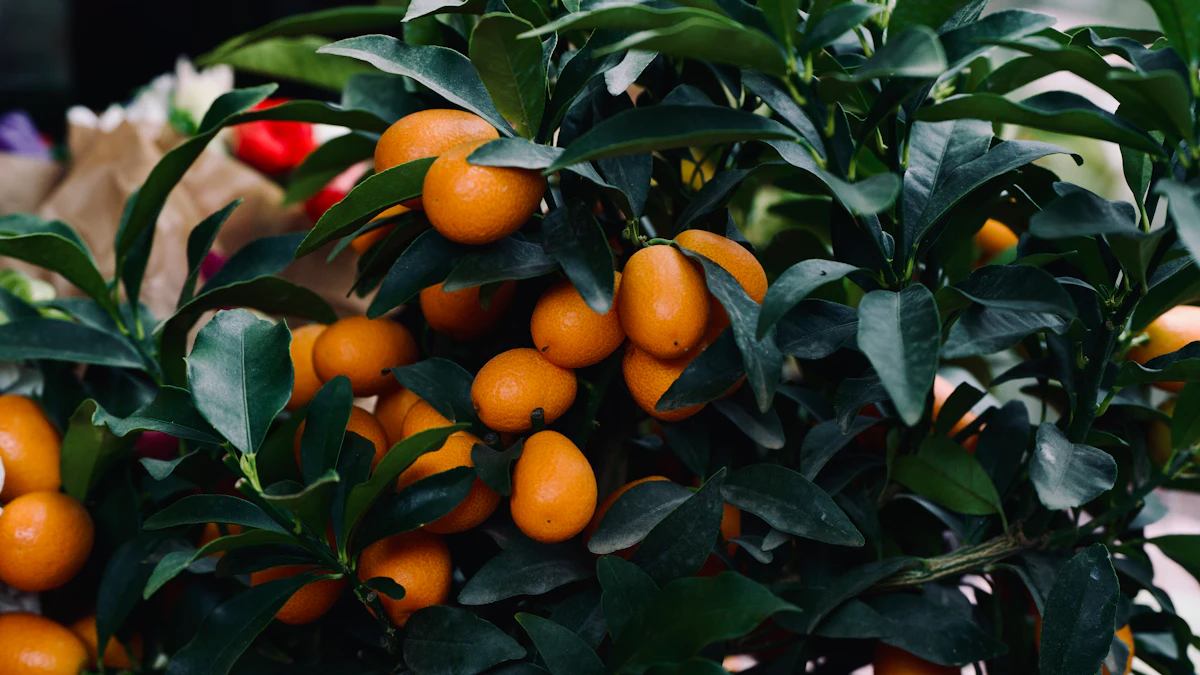
The kumquat tree, known botanically as Citrus japonica and formerly Fortunella japonica, is an evergreen tree that belongs to the Rutaceae, or citrus family. Some older references spell it cumquat and file it under Fortunella.
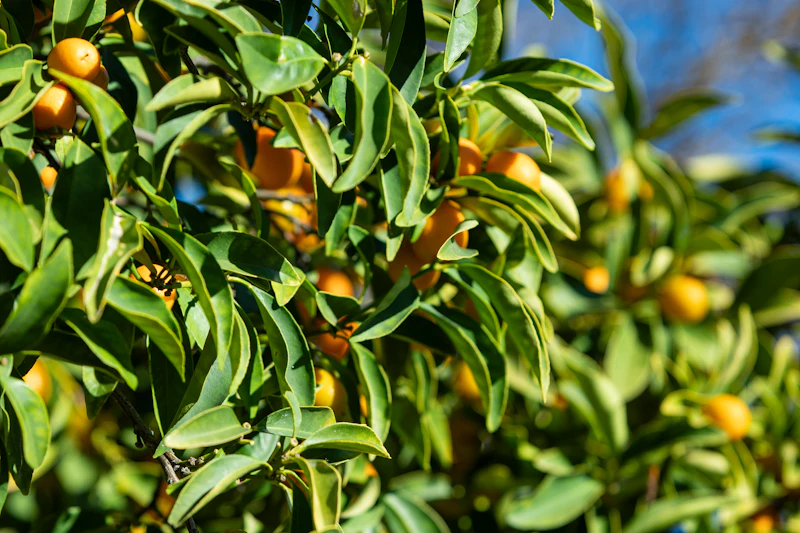
This flowering broadleaf fruit tree carries glossy leaves that mature into dark-green leaves on thornless branches, forming a vase-like canopy or rounded canopy. Fragrant blossoms and white flowers open in clusters within the leaf axils.
The reward is a bright orange fruit with a sweet rind and tart pulp, eaten whole. Because it tolerates more cold than most citrus, this low-maintenance, easy-to-grow tree suits gardens, patios, and sunny rooms alike.
Origin And History Of The Kumquat
Kumquats are native to southern China and parts of Southeast Asia, where they have been cultivated for centuries. The English name comes from a Cantonese word meaning golden orange, a fitting description of the fruit.
Written Chinese records mention kumquats as early as the 12th century. The tree later spread to Japan, which explains the species name japonica, and it became a treasured ornamental and fruit tree across East Asia.
Plant collector Robert Fortune, working for the London Horticultural Society, introduced kumquats to Europe in 1846. The tree reached North America soon after, and today Florida and California remain the main commercial kumquat growing regions.
Best Kumquat Varieties To Grow
The Nagami kumquat, also called the oval kumquat or Fortunella margarita, is the variety most shoppers know. Its oblong fruit has a tangy bite. The Meiwa kumquat, or Fortunella crassifolia, is sweeter and nearly seedless.
The Marumi kumquat, a round kumquat with a spicier rind, is especially popular for marmalade. The Fukushu kumquat, also sold as the Jiangsu kumquat or Fortunella obovata, has rounded leaves and performs beautifully in containers.
| Variety | Fruit and seeds | Flavor | Best for |
|---|---|---|---|
| Nagami | Oval, 2 to 5 seeds | Tart flesh, sweet skin | Classic eating, most widely sold |
| Meiwa | Round, nearly seedless | Sweetest and juiciest | Eating fresh and whole |
| Marumi | Small, round | Spicier, sharper | Marmalade and preserves |
| Fukushu (Jiangsu) | Round, larger fruit | Sweet-tart | Containers and patios |
| Centennial Variegated | Striped when young | Tart | Ornamental, compact spaces |
| Hong Kong | Tiny, bitter | Not for eating | Ornamental only |
The wild Hong Kong kumquat, Fortunella hindsii, is mainly ornamental. Centennial Variegated offers striped fruit and foliage on a compact frame, while the Malayan kumquat, commonly known as hedge lime, resembles a limequat in flavor.
Climate, Hardiness Zones And Cold Tolerance
Kumquats thrive in a warm humid climate, and most sources rate them for zones 9-10 on the USDA hardiness zones map, with some growers succeeding in zone 8. Their subtropical roots hide real cold resilience.
They are the most cold-hardy citrus commonly grown, surviving brief dips to about 18°F once established. Still, hard frost and prolonged freezing weather damage leaves and fruit, so watch forecasts closely when winter lows approach.
Kumquats tolerate seaside conditions well, but strong gusts can tear branches and dry foliage. Plant with wind protection from a wall or hedge, and plan overwintering indoors for potted trees in zones colder than 8.
Light Requirements For Kumquat Trees
Kumquats need full sun to flower and fruit well. Aim for six to eight hours of direct sunlight every day, and avoid planting where taller trees or buildings will shade the canopy as it matures.
Indoors, place the tree beside a bright window that gets the most sun. A south exposure is ideal, though an east-facing window or west-facing window also works well, especially when you rotate the pot weekly.
A kumquat will survive in bright indirect light, but it produces far fewer flowers and fruit. Where natural light falls short, a full-spectrum grow light running twelve to fourteen hours daily keeps indoor trees productive.
Best Soil For Kumquat Trees
Kumquats grow best in well-draining soil, ideally a loamy soil or sandy loam that holds some moisture without staying wet. Avoid dense heavy clay, which traps water around the roots for days and invites rot.
A slightly acidic soil pH around pH 5.5-6.5 suits kumquats best, although established trees tolerate a wider range when drainage is good. A simple home test kit shows whether your garden needs adjusting before planting.
Run a drainage test: fill a foot-deep hole with water. If it drains within an hour, plant; if not, mix in compost or perlite. For pots, use citrus potting mix or palm and citrus soil.
How To Plant A Kumquat Tree
Start with a grafted nursery tree rather than seed for faster, reliable fruit. Spring planting gives roots a full season to establish before cold weather, while gardeners in frost-free areas can plant in late winter.

Dig a planting hole three to five times wider than the root ball but no deeper. Set the tree so the top of the root ball sits level with ground, then backfill and firm gently.
Allow spacing of at least 5 to 6 feet from walls, paths, and other trees. When you transplant a young sapling, water deeply right away and keep the soil evenly moist for the first month.
Watering And Mulching Kumquat Trees
Young kumquats need consistently moist conditions, never soggy soil that suffocates roots. Use the finger test: push a finger gently into the soil to the second knuckle, and water only when the tip feels dry.
Deep watering that soaks the root zone beats frequent light sprinkles. A soaker hose delivers water slowly and evenly. Established trees are moderately drought-tolerant, but still need extra water during dry spells and heat waves.
Spread a two- to three-inch mulch layer of organic mulch over the roots to hold moisture and suppress weeds. Keep trunk clearance of about ten inches, and add light misting during the first establishment month.
How To Fertilize A Kumquat Tree
Wait one to three months after planting before the first feeding, giving new roots time to settle. Then apply a citrus fertilizer or slow-release fertilizer in early spring, following label rates and watering thoroughly afterward.
Through the growing season, supplement with a balanced fertilizer or diluted liquid feeds such as fish emulsion or liquid kelp. An organic fertilizer made for citrus supplies nitrogen plus micronutrients like iron, zinc, and magnesium.
Follow a simple feeding schedule: spring, early summer, and late summer. Practice no winter feeding, since fertilizer during dormancy pushes tender growth that cold damages. Always water before feeding and keep granules off the trunk.
How To Prune A Kumquat Tree
Kumquats need little pruning. Use clean pruning shears to remove dead branches and crossing stems whenever you see them. Light canopy thinning improves airflow and sunlight inside the tree, which reduces disease and supports flowering.
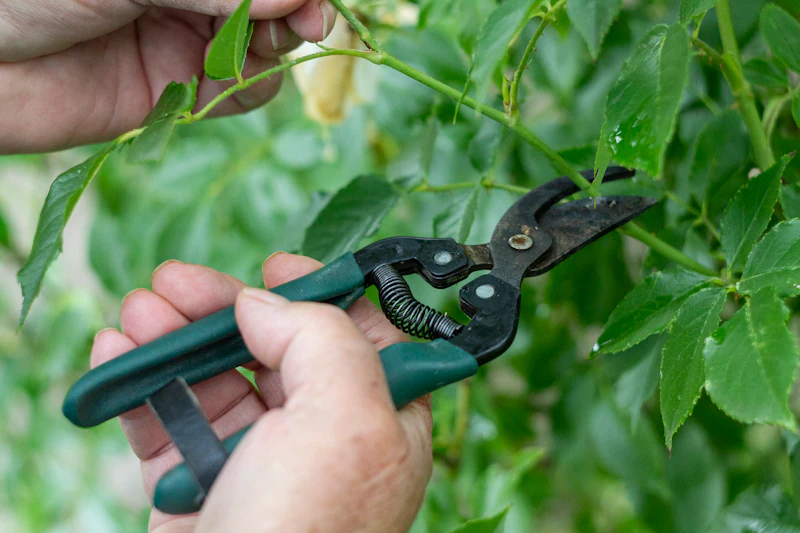
On grafted trees, watch for suckers and rootstock shoots rising below the graft union. Remove them promptly at their base, because this vigorous growth steals energy and can eventually overtake the entire fruiting variety above.
Save shaping cuts for late winter, after harvest but before spring bloom, so you keep next season’s flowers. On young trees, pinching tips of new shoots encourages bushier branching and a sturdier framework for fruit.
Growing Kumquat Trees In Containers And Indoors
Kumquats are ideal for container gardening because they stay compact. Choose a large pot with generous drainage holes, and cover each hole with fine window screen so soil stays in while excess water escapes freely.
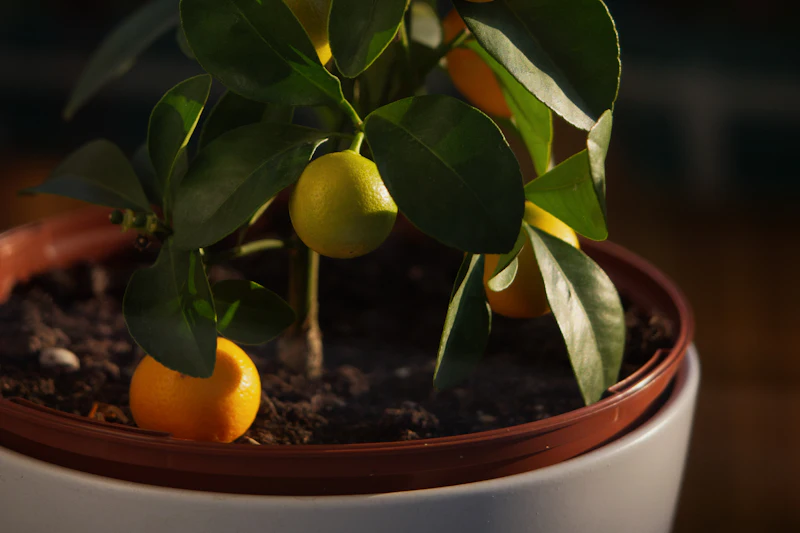
Potted trees become root bound quickly, causing leaf loss and twig decline, so plan on repotting every two to three years. A mature tree eventually needs a 15-gallon tub, and a terracotta pot breathes well.
A raised pot on pot feet improves drainage and airflow on your sunny patio. Indoor citrus needs protection from heating vents, and outdoor pots need a blanket frost cover whenever freezing nights threaten exposed roots.
Pollination, Flowering And Fruiting
Kumquats are self-pollinating and self-fertile, so a single tree produces fruit without a partner tree. Outdoors, bees and other pollinators visit the fragrant white flowers eagerly, moving pollen and improving fruit set across the canopy.
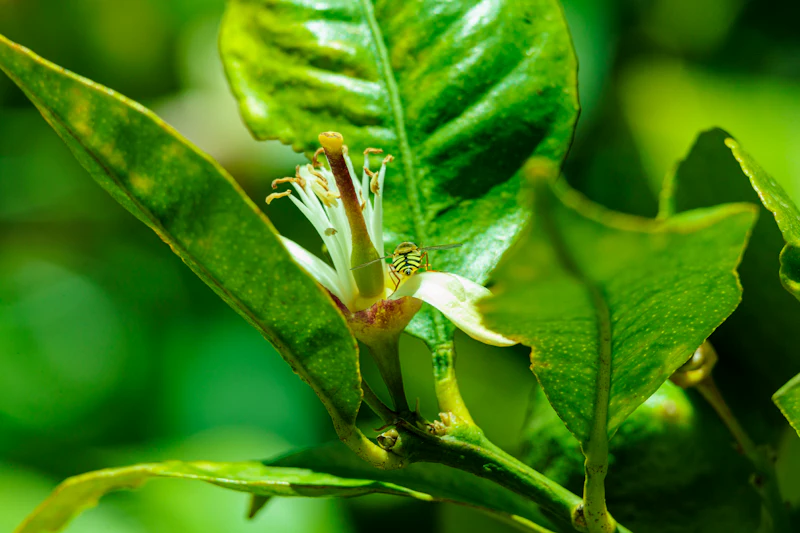
The flowering season arrives later than most citrus, typically from late spring into early summer. Kumquats often bloom in several flushes, which is why flowers, green fruit, and ripe fruit can share one branch.
Grafted trees usually bear fruit within two to three years, and your first harvest may be modest. Once mature, a healthy kumquat produces a heavy crop reliably, often more than one household can eat fresh.
How To Propagate Kumquat Trees
Grafting is the preferred commercial method. Growers join a kumquat scion onto a hardy rootstock, often trifoliate orange, though grapefruit rootstock and sour orange rootstock are also used for their resistance to soilborne fungal diseases.
Seed propagation is possible but slow. Seedlings may take many years to flower, and they rarely produce an exact clone of the parent. Dry fresh seeds briefly, then sow them in warm, moist potting mix.
Semi-hardwood cuttings can root under high humidity with rooting hormone, but they often grow weaker than grafted trees. Home growers wanting vigor and early fruit should buy trees grafted onto a proven hybrid rootstock instead.
How To Harvest And Store Kumquats
The harvest season runs from roughly November to April, depending on variety and climate. Pick kumquats when they are fully orange and slightly soft, because the fruit does not ripen or sweeten further once removed.
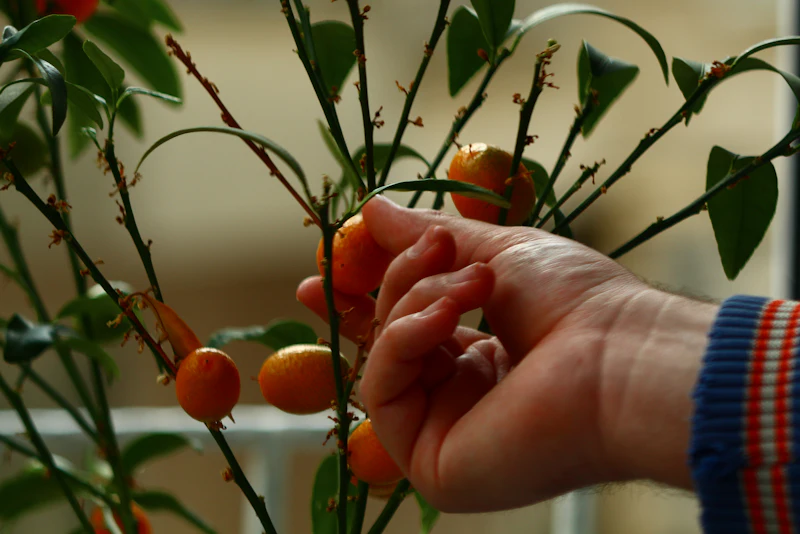
Snip each fruit with clean scissors, leaving a tiny stem or leaf attached, rather than pulling, which can tear bark. Thin skins limit shelf life, so eat fresh fruit within days or store it carefully.
Kumquats keep several days at room temperature in a paper bag, and about two weeks in the refrigerator. The yield of a mature tree can reportedly reach 50 to 100 pounds yearly under ideal conditions.
Common Kumquat Tree Pests
The most common kumquat pests are aphids, mealybugs, scale insects including citrus scale, and leaf miners. Inspect leaf undersides and new shoots weekly, especially after moving potted trees indoors in fall, when infestations often begin.
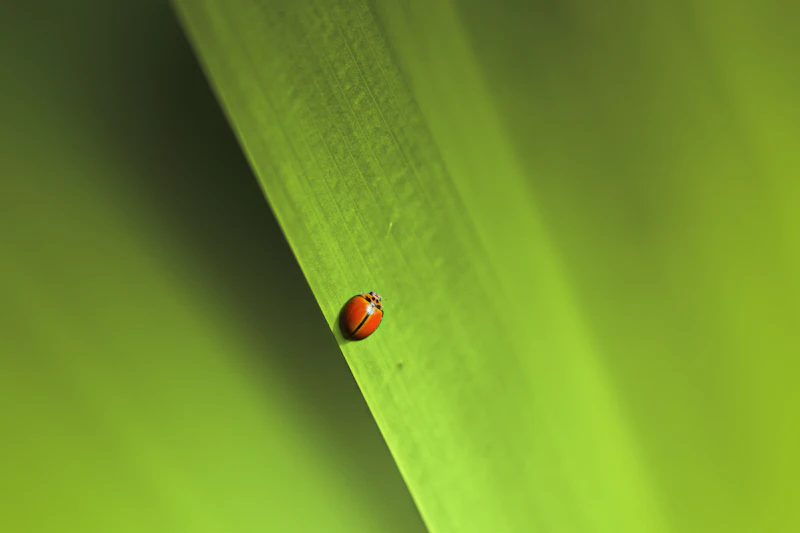
Knock aphids off with a strong water spray from the hose. For scale and mealybugs, apply insecticidal soap, horticultural oil, or neem oil, coating every leaf surface and repeating treatments at weekly intervals as needed.
Remove leaves damaged by leaf miners and let natural predators such as ladybugs and lacewings do their work. Avoid broad-spectrum sprays that kill them. Some gardeners also plant aromatic citronella nearby as a mild deterrent.
Kumquat Tree Diseases And Growing Problems
Root rot, usually caused by Phytophthora, is the biggest threat and almost always follows overwatering or poor drainage. Armillaria root rot appears in some soils. Prevention means fast-draining soil and mulch kept off the trunk.
Anthracnose and alternaria leaf spot cause dark lesions on leaves and fruit; a copper fungicide helps control both. Citrus blast, a bacterial disease caused by Pseudomonas syringae, enters wind-damaged tissue during cold, wet spring weather.
Sudden leaf drop usually signals cold shock, abrupt light changes, or irregular watering. In pots, twig dieback often means the tree is root bound. Fix the underlying stress, and healthy new growth normally returns quickly.
How To Eat Kumquats And Their Best Uses
Kumquats are meant to be eaten whole. The edible skin carries a sweet peel flavor that balances the tart flesh inside. Roll the fruit gently between your fingers first to release its aromatic peel oils.
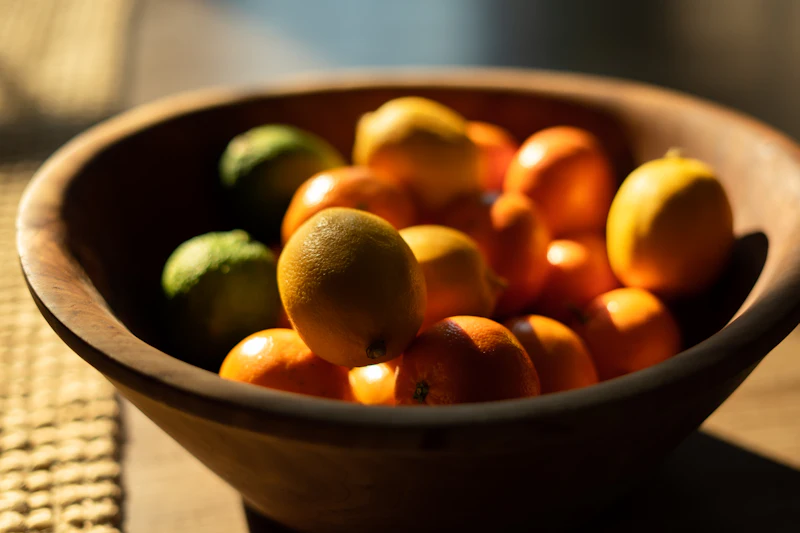
The fruit is rich in vitamin C and fiber. Beyond fresh snacking, home cooks turn surplus fruit into candied kumquats, jam, spiced chutney, marmalade, and homemade liqueur, or slice them into salads and savory glazes.
As an ornamental, the fruiting tree symbolizes good luck and prosperity during Chinese New Year. Keep pets from eating large amounts, because sugars and acidity can cause digestive upset, although kumquats are not severely toxic.
Kumquat Tree FAQs
How Long Does A Kumquat Tree Take To Bear Fruit?
A grafted kumquat usually fruits within two to three years of planting, and many nursery trees arrive already carrying flowers or fruit. Trees grown from seed can take eight years or even longer to fruit.
Why Is My Kumquat Tree Dropping Fruit?
Fruit drop is usually the tree’s stress response to temperature swings, irregular watering, or moving between indoor and outdoor spots. Some early drop is natural self-thinning, so only heavy losses need attention.
Why Are My Kumquat Tree Leaves Turning Yellow?
Yellow leaves most often point to overwatering or nutrient deficiency. Soggy roots cannot absorb nutrients, so check drainage first, then feed with a citrus fertilizer containing iron, zinc, and magnesium.
How Do You Hand Pollinate An Indoor Kumquat Tree?
Swirl a clean, dry, soft paintbrush inside each open flower to collect pollen, then touch the sticky central stigma of every bloom. Repeat every day or two while the tree flowers.
Is A Kumquat The Same As A Small Orange?
No. Kumquats look like miniature oranges, but they are a distinct citrus group once placed in their own genus, Fortunella. Unlike orange peel, kumquat skin is thin, sweet, and eaten with the fruit.
Can Kumquat Trees Grow Indoors Year Round?
Yes. Kumquats are among the best citrus trees for growing indoors all year. They stay compact and can flower and fruit inside when given strong light, steady humidity, and hand pollination.
Pingback: Citrus Tree Care Guide: How Much To Water, When To Fertilize And How To Stop Pests, Yellow Leaves And Fruit Drop - Grovoi