Mandarin Tree: How To Grow, Care For And Harvest Sweet, Seedless Fruit In Pots Or Ground
On this page
- Mandarin Vs Tangerine Vs Clementine Vs Satsuma
- Best Seedless Mandarin Varieties
- Climate, Zones And Cold Hardiness
- Location And Sunlight
- Soil And pH
- How To Plant A Mandarin Tree
- Growing Mandarins In Pots And Indoors
- Watering
- Fertilizing
- Pruning And Sucker Removal
- Pollination And Fruit Set
- Pests
- Diseases
- Common Problems
- Harvesting And Storage
- Propagation
- Companion Plants
- Mandarin Tree FAQs
The mandarin tree, known botanically as Citrus reticulata, is an evergreen citrus tree from the Rutaceae family. It is native to Southeast Asia, especially southern China, where growers have cultivated it for thousands of years.
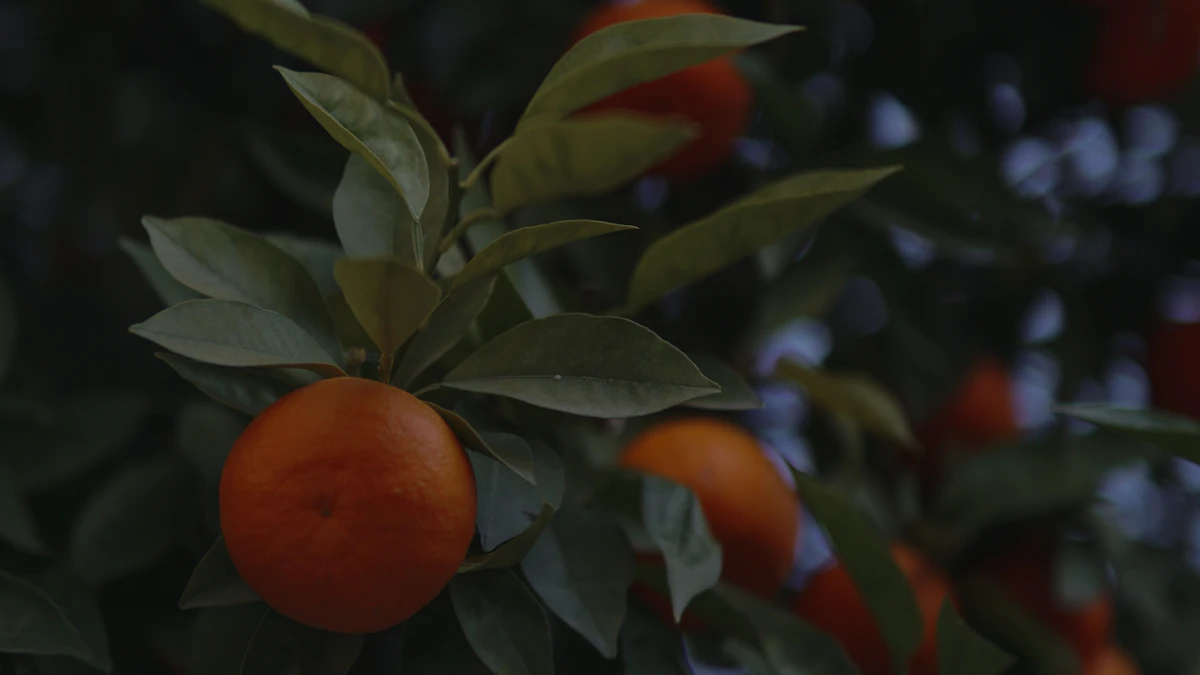
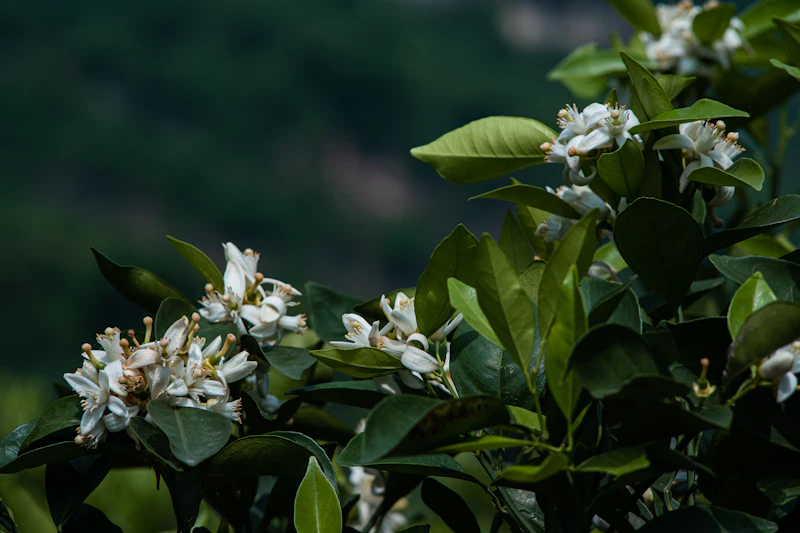
Expect glossy dark green leaves, fragrant white blossoms in spring, and easy-to-peel fruit with sweet flesh by late fall. Every mandarin orange tree is a self-fertile tree, so one plant can produce a crop alone.
Size depends mainly on rootstock. A standard mandarin tree can reach 25 feet, while a semi-dwarf tree usually stays between 8 and 10 feet, making it easier to prune, protect, harvest, and grow in containers.
Mandarin Vs Tangerine Vs Clementine Vs Satsuma
Mandarin is the umbrella name for a large citrus group. A tangerine is a red-orange mandarin type, while a clementine is a small, sweet hybrid, and both share the classic loose peel and thin rind.
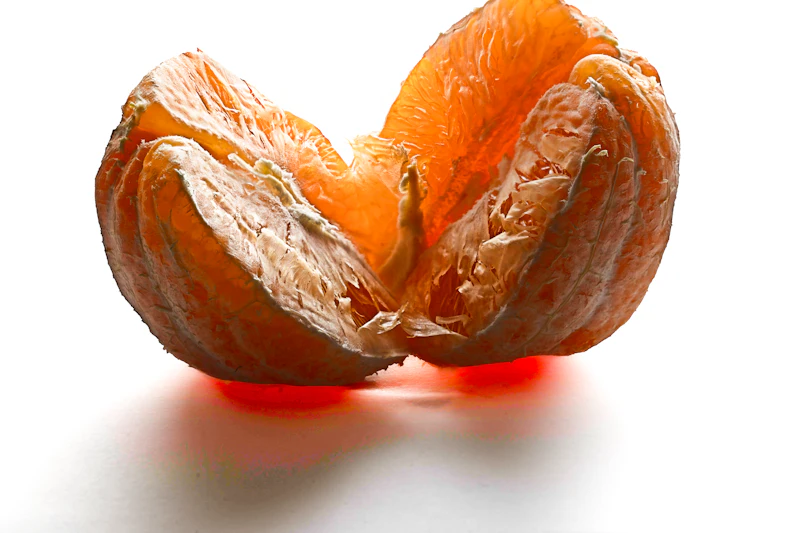
The satsuma mandarin, or Citrus unshiu, is classed as a separate species, yet it grows exactly like other mandarins. Many modern types are ancient pomelo hybrid lines, which helps explain their varied flavors and sizes.
| Type | Peel and seeds | Flavor | Main strength |
|---|---|---|---|
| Mandarin | Loose peel, varies by variety | Sweet | Umbrella group for all types below |
| Tangerine | Red-orange skin, often seedy | Rich, tangy | Deep color and bold flavor |
| Clementine | Thin rind, few to no seeds | Very sweet | Small, snack-sized holiday fruit |
| Satsuma | Very loose peel, seedless | Mild, sweet | Most cold-hardy citrus to grow |
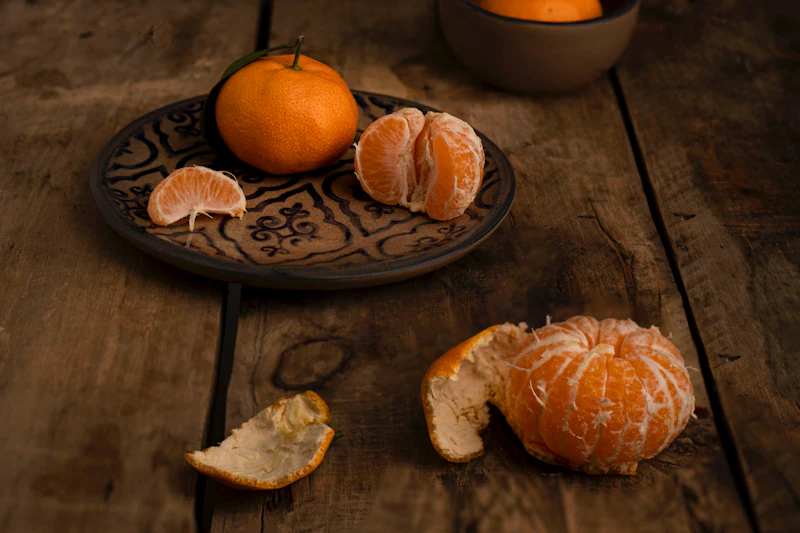
Old growers called mandarins the kid-glove orange because they peel easily without mess, unlike a sweet orange. Store brands such as Halos and Cuties simply package several different varieties sold as one seedless mandarin product.
Best Seedless Mandarin Varieties
For cooler gardens, Owari satsuma is the top pick because it ripens early and handles cold well. Kishu mandarin produces tiny, super sweet, seedless fruit and suits pots perfectly, making it a favorite with children.
Clementine mandarin is an early-season variety for holiday harvests. Gold Nugget and Tango mandarin are late-season variety choices, holding sweet fruit on the tree into spring, while W. Murcott offers rich flavor with occasional seeds.
| Variety | Season | Seeds | Best for |
|---|---|---|---|
| Owari satsuma | Late fall | Seedless | Cooler zones, beginners |
| Kishu | Early winter | Seedless | Pots, kids, tiny sweet fruit |
| Clementine | Late fall to winter | Few to none | Holiday harvests, all-round |
| Gold Nugget | Late winter to spring | Seedless | Long hang time on the tree |
| Tango | Late winter to spring | Seedless | Sweet, easy-peel late crop |
| W. Murcott | Late winter | Occasional | Rich, full flavor |
| Shiranui (Sumo) | Late winter | Seedless | Experienced growers, big fruit |
Collectors also grow Dancy tangerine, Honey mandarin, Shasta Gold, and Okitsu Wase. Shiranui, sold as Sumo, gives huge, easy-peel fruit but is harder to grow, so beginners should usually start with Owari or a Clementine.
Climate, Zones And Cold Hardiness
Mandarins grow outdoors in USDA zones 8 to 11, and satsumas are the most cold-hardy citrus you can plant. Their ideal range is 40 to 90°F, with only brief frost tolerance down to about 20°F.
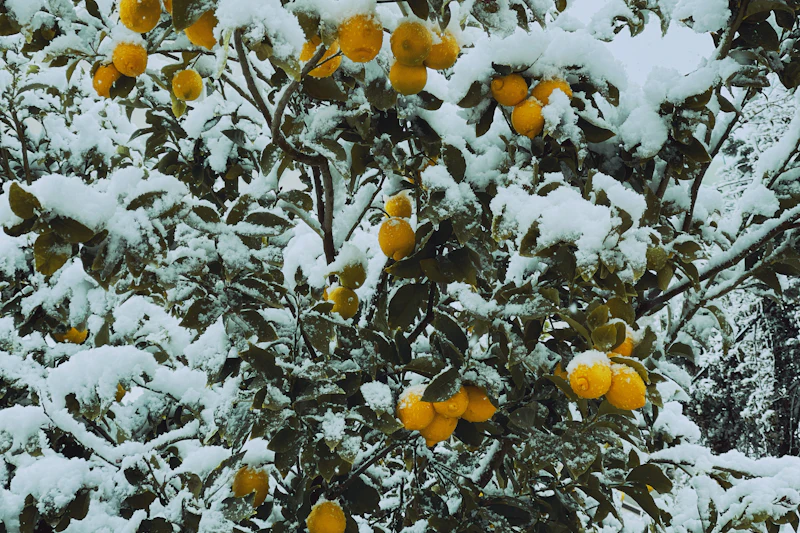
New growth shows cold damage near 28°F, and a hard freeze below 20°F can easily kill young trees. Fruit is even more sensitive, so harvest ripe mandarins or cover the canopy before temperatures drop sharply.
For winter protection, plant near a south-facing wall to create a warm microclimate. Stones or water barrels add thermal mass, while frost cloth and incandescent Christmas lights keep the whole canopy several degrees warmer overnight.
Location And Sunlight
Choose full sun for the best harvests. Mandarins need at least six hours of direct sunlight daily, and a south or southeast exposure gives strong morning light plus shelter from harsh afternoon heat and winds.
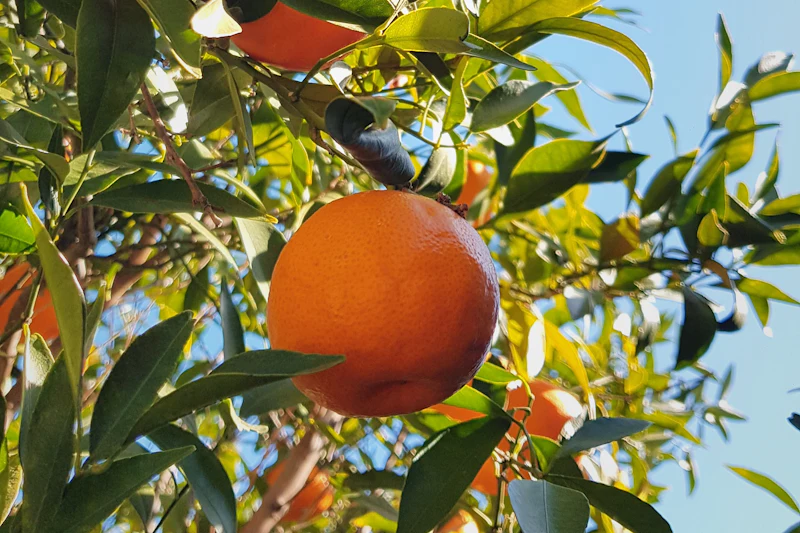
Trees tolerate partial shade, but too little light often means few flowers and no fruit. Pick a planting site with steady air circulation and wind protection, since gusts snap loaded branches and dry tender leaves.
In very hot regions, sunburn can badly scar young bark and tender growth. Drape a light shade cloth during heat waves, or paint exposed trunks with diluted white latex whitewash to reflect intense summer sunlight.
Soil And pH
Mandarins accept many soil types, but well-draining soil is non-negotiable. Poor drainage leads to waterlogged roots, which suffocate quickly and invite rot, so avoid any low spots where rainwater collects and sits after heavy storms.
Aim for slightly acidic soil, ideally around pH 6.0 to 7.0, and check soil pH with a simple home soil test each spring to see whether sulfur or lime is needed before planting.
Mix generous compost and other organic matter into the native ground. For heavy or flat sites, build a raised bed, and for pots, many growers prefer mineral-based soil because it never breaks down or compacts.
How To Plant A Mandarin Tree
Always buy a grafted tree from a nursery tree supplier using clean nursery stock. The rootstock adds strong disease resistance and some cold tolerance, while citrus quarantine rules restrict moving trees in several citrus-producing states.
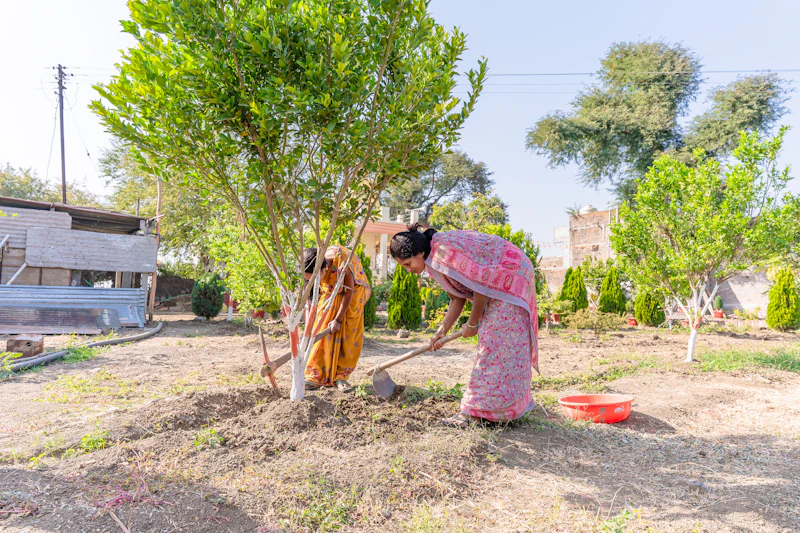
Spring planting gives roots a full season to settle. Dig a planting hole twice as wide as the root ball, set the tree slightly high, and keep the graft union several inches above soil level.
Backfill with native soil, water deeply, and skip piling mulch against the trunk. For spacing, allow 15 to 20 feet for standard trees, or choose Flying Dragon rootstock for a compact, semi-dwarf backyard tree.
Growing Mandarins In Pots And Indoors
A dwarf mandarin is ideal for patios and cold climates. Use a large container of at least 15 gallons for mature trees, with plenty of drainage holes, and fill it with fast-draining citrus potting mix.
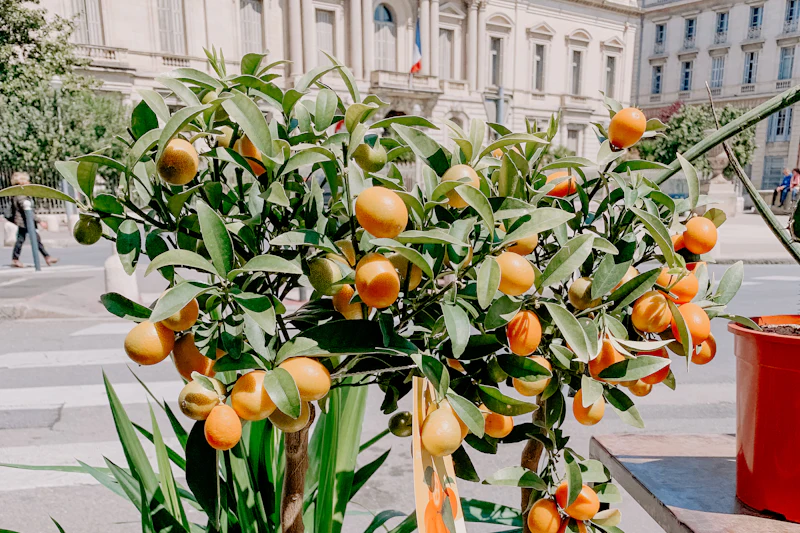
A container-grown mandarin can move indoors when nights fall below freezing. Place it in a bright window facing south, or add a full-spectrum grow light running for 8 to 10 hours daily throughout the winter.
Indoor air is often dry, so raise humidity with a pebble tray or humidifier. A greenhouse or unheated garage works for short cold snaps, and repotting one size larger every few years keeps roots vigorous.
Watering
Mandarins prefer deep watering over frequent light sips. Use the 2-inch test: push a finger into the soil, and water only when soil moisture feels dry at that depth, then soak the root zone thoroughly.
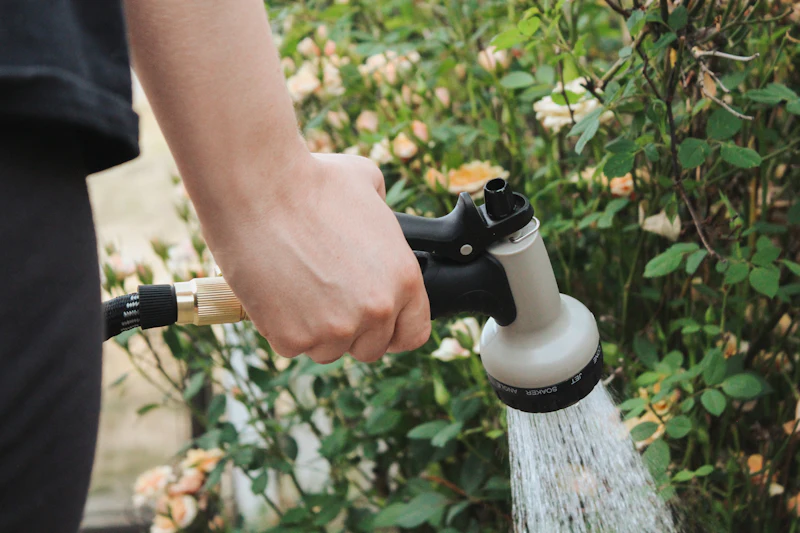
Morning watering with drip irrigation or a soaker hose keeps the trunk dry. For pots, use the drench method, soaking until water flows freely from the bottom, which also flushes harmful salts from the mix.
Established trees are fairly drought tolerant, and overwatering kills more mandarins than underwatering. Keep moisture steady during fruit development, then water slightly less as fruit sizes up to encourage sugar buildup and much sweeter flavor.
Fertilizing
Feed with a citrus fertilizer during the growing season, roughly March through August. A slow-release fertilizer needs only one or two applications yearly, while a liquid or organic fertilizer usually follows a monthly feeding schedule.
Good blends supply nitrogen, phosphorus, and potassium, plus micronutrients like magnesium, zinc, and iron. These trace elements prevent pale yellow, blotchy leaves and support the heavy spring flowering that later leads to bigger, sweeter harvests.
Scatter granules evenly around the drip line, not against the trunk, and water them in well. Avoid overfeeding during bloom, because excess nitrogen at that stage can trigger flower drop and noticeably reduce fruit set.
Pruning And Sucker Removal
Mandarins need surprisingly little cutting overall. Schedule any late winter pruning between February and April, after harvest but before bloom, and keep pruning shears sharp, using disinfected tools wiped with rubbing alcohol between different trees.
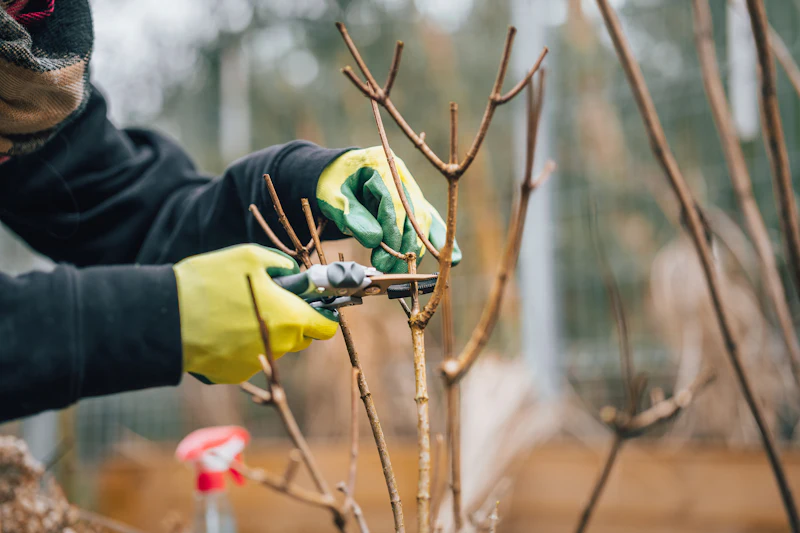
Remove dead branches, diseased deadwood, and crossing branches, then thin crowded limbs to open canopy space for light and air. Follow the 25 percent rule, never removing more than a quarter of the tree yearly.
Rootstock suckers sprout below the graft, look different, and steal energy. Practice prompt sucker removal by cutting them off flush. Control canopy size with light tip cuts, and add branch support under heavily loaded limbs. Our tree care hub covers pruning cuts in more depth.
Pollination And Fruit Set
Mandarins are self-pollinating, so a single tree bears fruit. Outdoors, bees and other pollinators improve fruit set, while indoors or in greenhouses, hand pollination with a small paintbrush moves pollen between freshly opened blossoms.
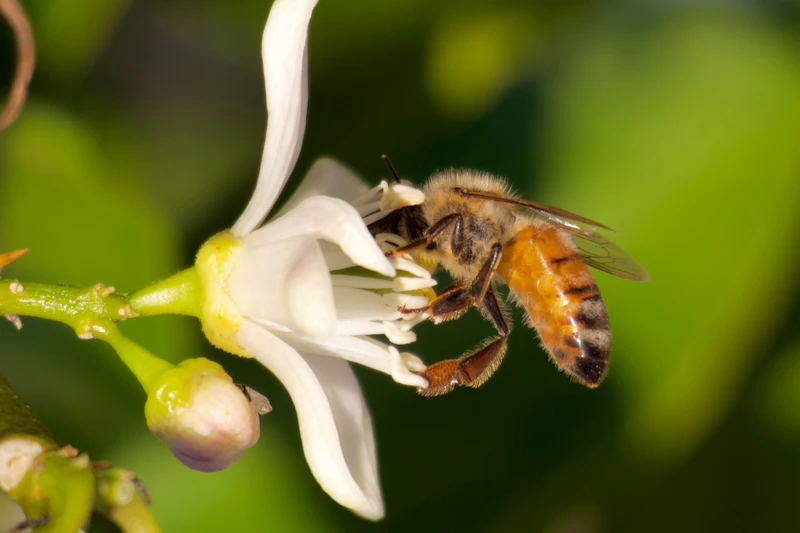
Want truly seedless fruit? Commercial growers often cover trees with insect netting during bloom to block cross-pollination. Expect some natural flower drop too, since trees shed extra blossoms they cannot support through the summer heat.
Mandarins often set too much fruit. Fruit thinning, removing 20 to 30 percent of small fruitlets, improves size and helps prevent alternate bearing. Remove year-one blooms so your first harvest comes from much stronger trees.
Pests
Common sap feeders include aphids, scale insects, and spider mites, which cause leaf stippling. Aphids and scale excrete sticky honeydew, which feeds black sooty mold and attracts ants that guard these pests from natural predators.
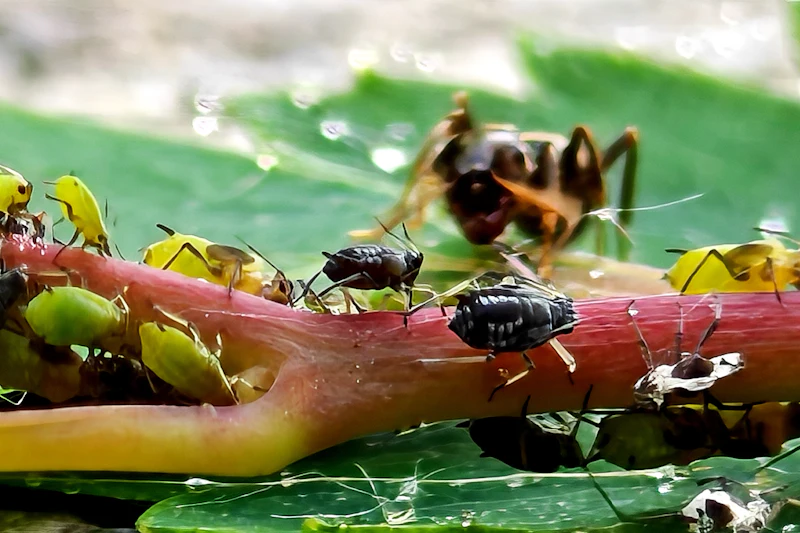
Citrus leafminer larvae carve winding silvery tunnels in new leaves, while leaf rollers and citrus thrips scar tender growth and young fruit. The Asian citrus psyllid matters most because it spreads incurable citrus greening disease.
Encourage natural beneficial insects such as ladybugs and lacewings as your first defense. Hose off light infestations, spray horticultural oil or insecticidal soap on heavy outbreaks, and hang pheromone traps to disrupt leafminer moth mating.
Diseases
Phytophthora root rot is the most serious soil disease. It causes yellowing, leaf drop, and gummosis, where sap oozes from cracked bark. Prevent it with sharp drainage and a fully exposed graft union.
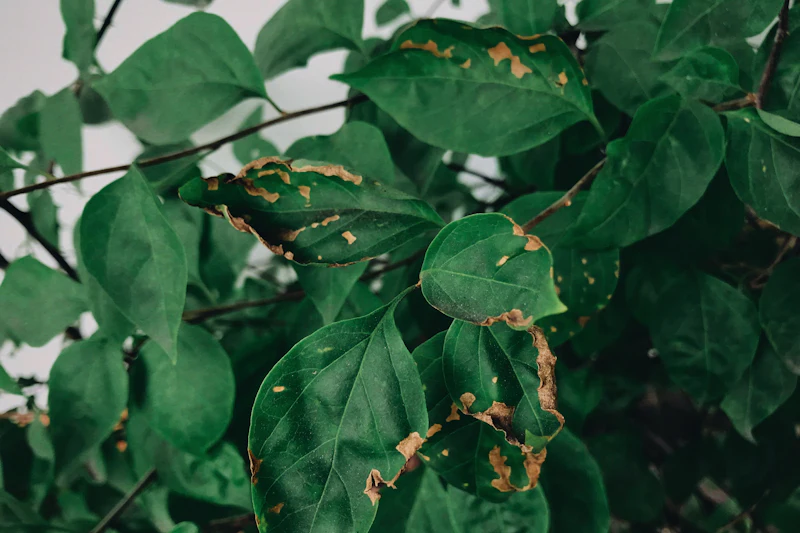
Anthracnose and botrytis are fungal disease problems that thrive in wet, crowded canopies, causing twig dieback and fruit rot. Pruning for airflow and removing old, damaged fruit usually prevents them without needing any fungicide spray.
Citrus greening, also called huanglongbing or HLB, has no known cure. Watch for yellow mottled leaves, lopsided green fruit, and bitter juice. Infected trees must be removed quickly, so buy only certified clean nursery trees.
Common Problems
No fruit usually traces back to low light, young age, or heavy pruning. Fruit drop and flower abortion follow heat stress, drought, or overwatering, though some early shedding is simply healthy, natural self-thinning.
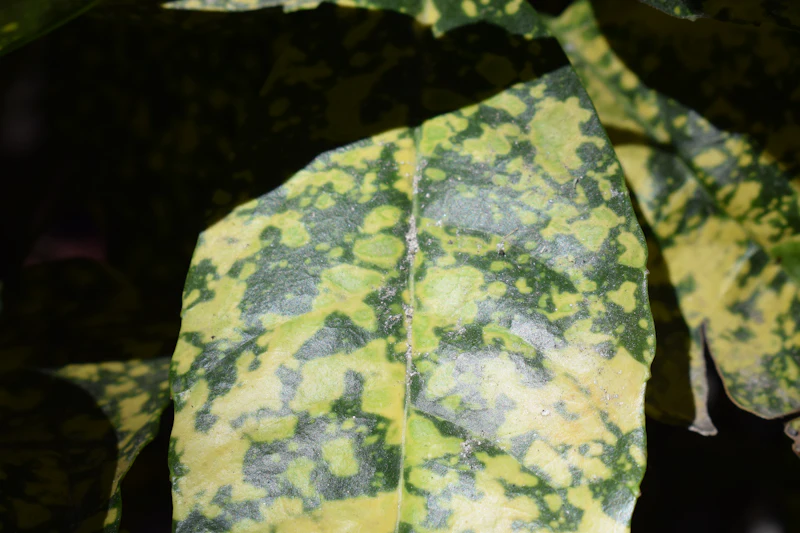
Yellow leaves usually point to soggy roots, salt buildup, or nutrient deficiency. Leaf curl often signals thirst or thrips. Fruit splitting follows irregular watering, when a sudden soak swells the pulp faster than the rind.
Dry mandarins and poor fruit quality often follow a warm winter, which triggers early bloom and uneven ripening. Regular citrus feeding after flowering, steady watering, and thinning heavy crops keep fruit juicy, sweet, and full-sized.
Harvesting And Storage
The harvest season runs from late fall through spring, depending on variety. Ripe mandarins look fully orange, feel slightly soft, and pass a taste test. Fruit will not sweeten after picking, so always sample first.
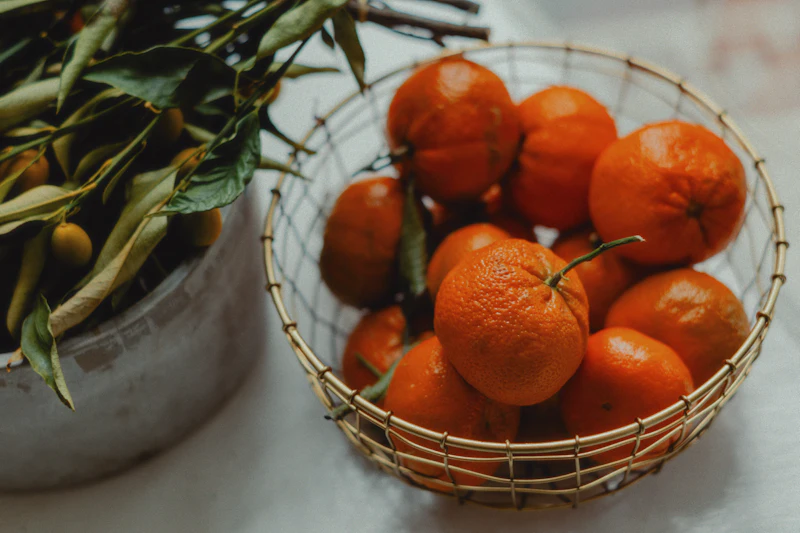
Never pull fruit straight off, which tears the rind near the stem. Cut stems with pruning clippers, or twist and lift each mandarin at an angle. Handle it gently, because homegrown fruit bruises very easily.
Mandarins last about a week at room temperature and two weeks with refrigerator storage, since homegrown fruit lacks the commercial waxy coating. For longer keeping, try freezing, dehydrating, canning, or saving dried peel for tea.
Propagation
Grafting is the professional standard for mandarins. Nurseries use chip budding to join a chosen variety onto C-35 rootstock or Carrizo rootstock, producing strong, vigorous, disease-resistant trees that fruit several years sooner than typical seedlings.
Rooted cuttings with two to five nodes will root under high humidity after dipping in rooting hormone. Keep them in containers permanently, though, since own-root trees resist disease and frost far less than grafted ones.
Seed propagation works because mandarins have polyembryonic seeds, so seedlings often grow true to type. Still, growing from seed means waiting five to ten years for the first fruit, making grafted nursery trees the smarter choice.
Companion Plants
Smart companion planting reduces citrus pests naturally. Marigolds repel many insects, petunias deter aphids, and borage attracts pollinators with bright blue flowers, all without competing heavily with shallow mandarin roots when kept small and tidy.
Plant nasturtium nearby as a sacrificial trap crop that lures aphids away from new citrus growth. Lemon balm and parsley attract helpful tachinid flies, whose larvae destroy the caterpillars that chew tender young mandarin leaves.
Dill and yarrow draw ladybugs and lacewings but spread aggressively, so grow them in separate pots. Nitrogen-fixing legumes planted nearby enrich the surrounding soil gradually, feeding hungry mandarins as their roots and stems slowly decompose.
Mandarin Tree FAQs
How Long Does A Mandarin Tree Take To Bear Fruit?
The typical fruit timeline for a grafted tree is 2 to 3 years after planting, with full crops by years four to five. Seed-grown trees take five to ten years.
How Big Does A Mandarin Tree Get?
Mature height is 8 to 10 feet on semi-dwarf rootstock and up to 25 feet for standard trees. Dwarf trees kept in pots usually stay around 4 to 6 feet.
How Cold Can A Mandarin Tree Tolerate?
Cold tolerance reaches about 20°F for short periods. New growth is damaged near 28°F, and fruit freezes sooner, so protect the tree whenever frost is forecast.
Why Are My Mandarin Tree’s Leaves Turning Yellow?
Yellowing leaves usually mean overwatering, poor drainage, or a lack of nitrogen, magnesium, or iron. Check soil moisture first, then feed with a complete citrus fertilizer.
Why Is My Mandarin Tree Dropping Fruit?
The main fruit drop causes are heat stress, uneven watering, and natural self-thinning. Some early drop is normal, and steady moisture with regular feeding reduces the rest.
When Is A Mandarin Ripe And Ready To Pick?
The clearest ripeness signs are full orange color, slight softness, and sweet taste. Pick after tasting one fruit, and plan your pruning time for late winter once harvest ends.
Pingback: Citrus Tree Care Guide: How Much To Water, When To Fertilize And How To Stop Pests, Yellow Leaves And Fruit Drop - Grovoi
Pingback: Types Of Fruit Trees: 30 Fruit Trees To Grow In Your Yard - Grovoi