Orange Tree: How To Plant, Grow And Harvest Sweet Oranges
On this page
- Orange Tree Varieties
- Climate And Hardiness Zones
- Temperature Requirements
- Sunlight And Location
- Soil Requirements
- How To Plant An Orange Tree In The Ground
- Growing An Orange Tree In A Pot
- Growing An Orange Tree Indoors
- Watering An Orange Tree
- Fertilizing An Orange Tree
- Pruning An Orange Tree
- Pollination And Fruit Set
- Common Pests
- Common Diseases And Problems
- Propagating An Orange Tree
- Harvesting And Storing Oranges
- Orange Tree FAQs
An orange tree is a citrus tree prized for glossy evergreen foliage, fragrant blossoms and sweet, juicy fruit. The sweet orange, Citrus sinensis, belongs to the Rutaceae family and grows well across warm American yards.
Botanists believe the sweet orange began as a hybrid of the mandarin and the pomelo in southern Asia. Spanish explorers brought it to America, and today Florida, California, Texas and Arizona lead home citrus growing.
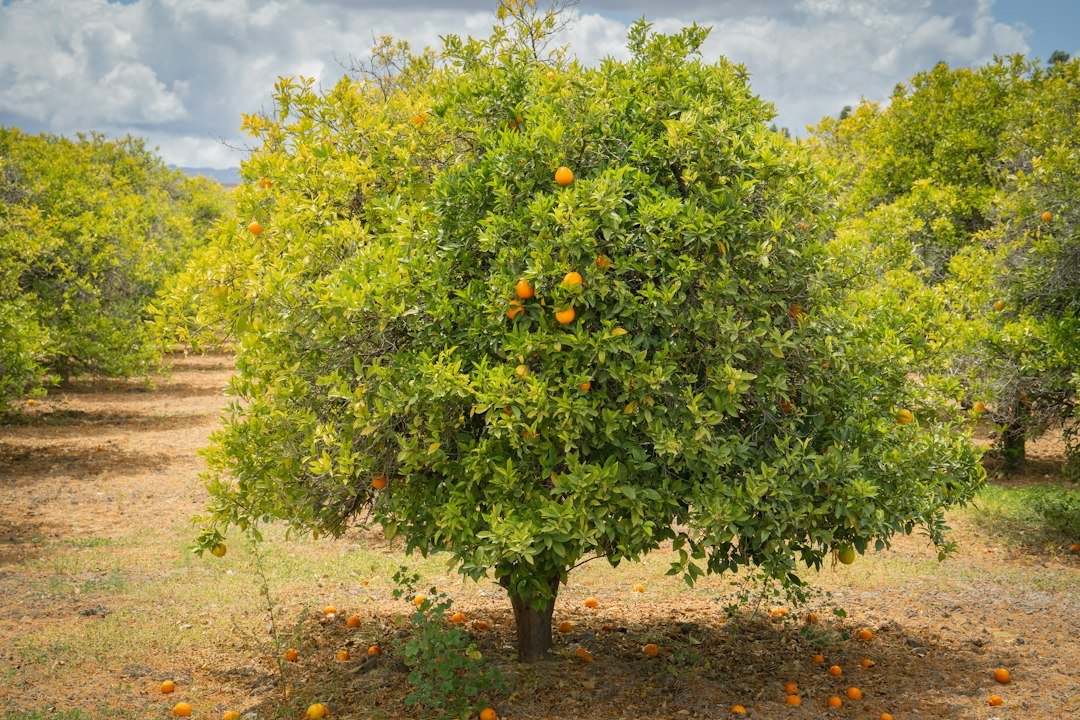
A full-size tree can reach 20 to 30 feet outdoors, while a dwarf orange tree stays 8 to 12 feet. Most varieties are self-fertile, so even a home gardener with one tree can harvest fruit.
Orange Tree Varieties
The navel orange is the most popular choice for eating fresh. The Washington Navel produces large, seedless fruit that peels easily and ripens through winter, making it a reliable favorite for backyard growers in California.
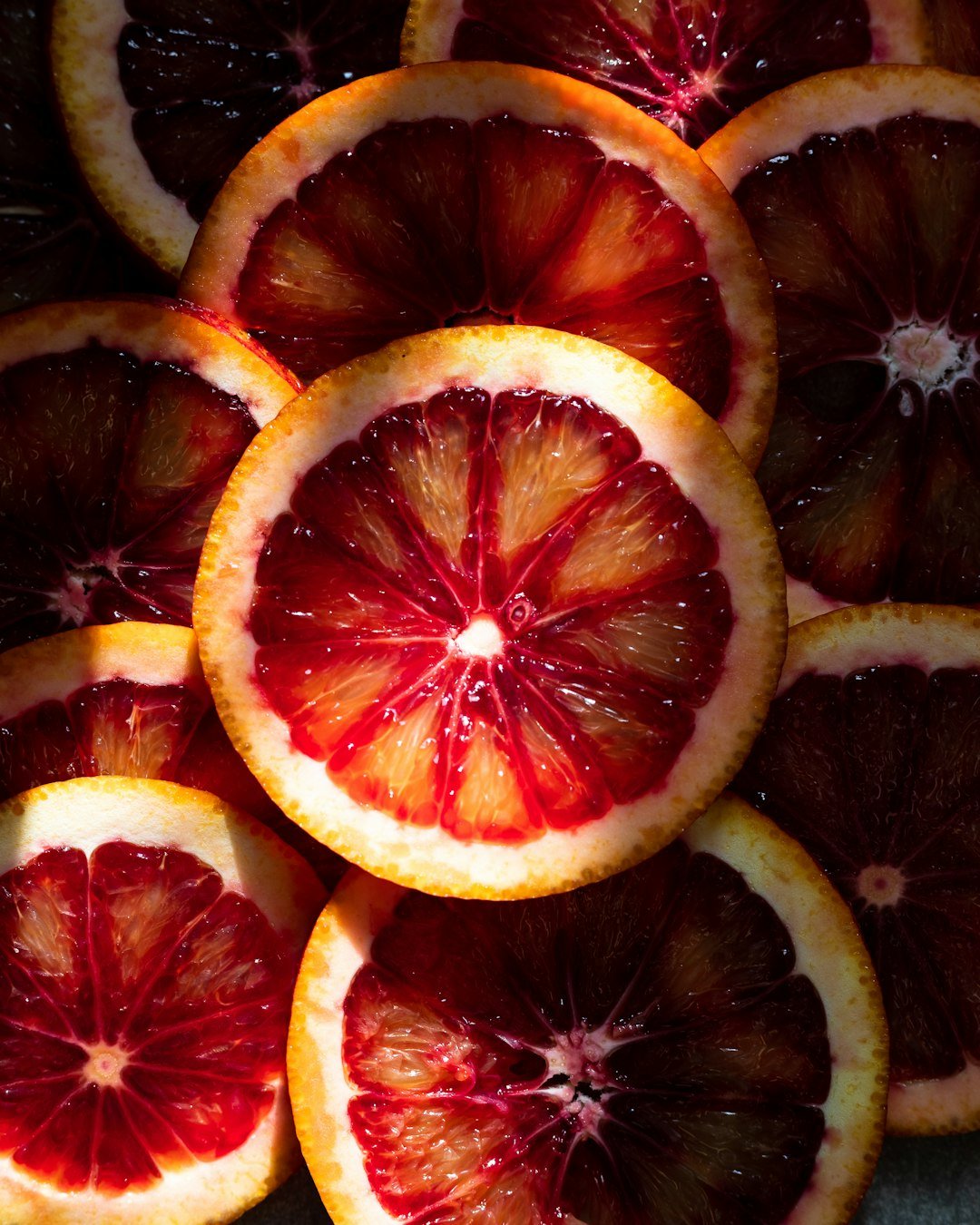
The Valencia orange is the classic juicing variety, ideal for fresh-squeezed juice, ripening from spring into summer. The Cara Cara navel offers low-acid pink flesh, while the Moro blood orange has deep red, berry-like flavor.
Trovita handles hot, dry inland yards better than most oranges. For containers, choose a dwarf Valencia or a calamondin. A sour orange such as the Seville orange is grown mainly for marmalade rather than eating.
| Variety | Fruit | Harvest | Best for |
|---|---|---|---|
| Washington Navel | Large, sweet, seedless, easy to peel | Winter | Eating fresh |
| Valencia | Very juicy, few seeds | Spring to summer | Fresh-squeezed juice |
| Cara Cara | Low acid, pink flesh | Winter | Eating fresh, salads |
| Moro (blood orange) | Deep red flesh, berry-like flavor | Late winter | Juice, desserts, color |
| Trovita | Sweet, heat tolerant | Winter to spring | Hot inland yards |
| Calamondin | Small, tart fruit | Much of the year | Pots and patios |
Climate And Hardiness Zones
Orange trees grow outdoors year-round in USDA hardiness zones 9 to 11. That range covers the entire citrus belt, stretching from coastal California through southern Arizona, south Texas, the Gulf Coast and most of Florida.
Outside those frost-free areas, winter cold becomes the main limit. Some navels and blood oranges are sold as slightly cold-hardy for zone 8, but a hard freeze can still kill young trees and ruin fruit.
North of zone 9, grow your tree in a pot and plan for overwintering safely indoors. A bright room, sunroom or heated greenhouse keeps the tree healthy until spring nights stay comfortably above freezing again.
Temperature Requirements
Oranges grow best from about 55°F to 85°F. Within this range, trees push new leaves, open flowers and ripen fruit steadily, provided they also get strong sunlight, consistent moisture and regular feeding through the season.
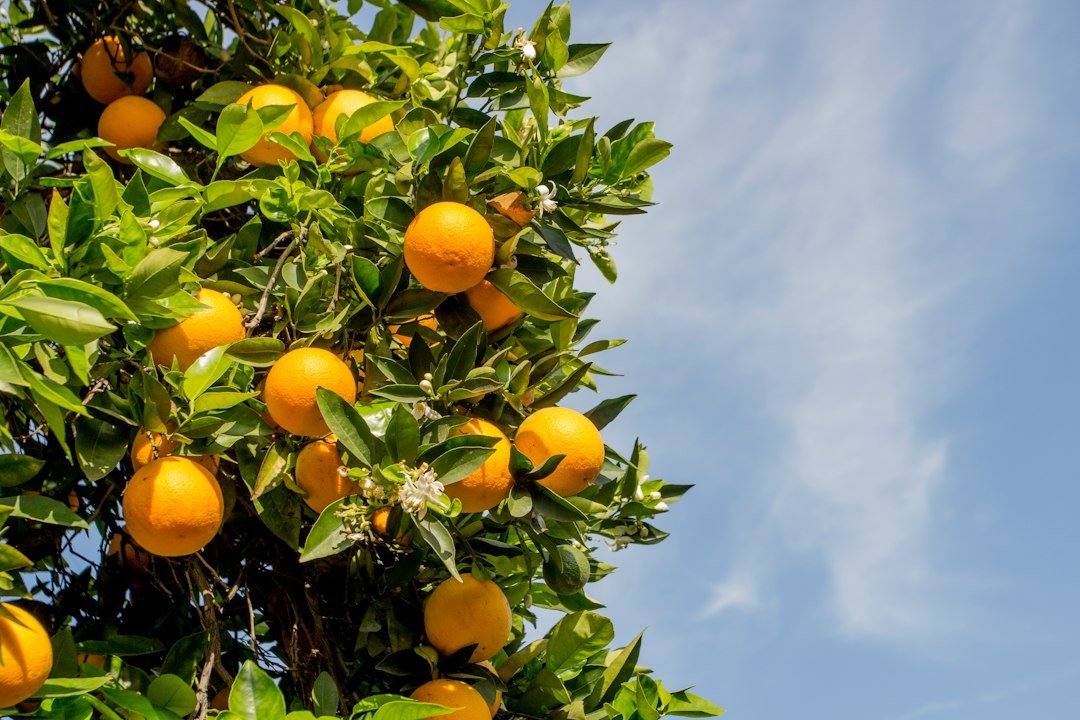
Growth slows below 50°F, and the tree slips into partial dormancy. A short cold snap below freezing can scorch leaves, while temperatures in the mid-20s °F cause serious frost damage to leaves, fruit and branches.
Extreme heat also causes problems. Above about 95°F, growth stalls again, and heat stress can scorch fruit and drop blossoms. Young trees especially benefit from afternoon shade and deep watering during long summer heat waves.
Sunlight And Location
Orange trees need full sun, ideally 6 to 8 hours of sun or more every day. More direct sunlight means more flowers, sweeter fruit and a denser canopy, so light matters more than anything else.
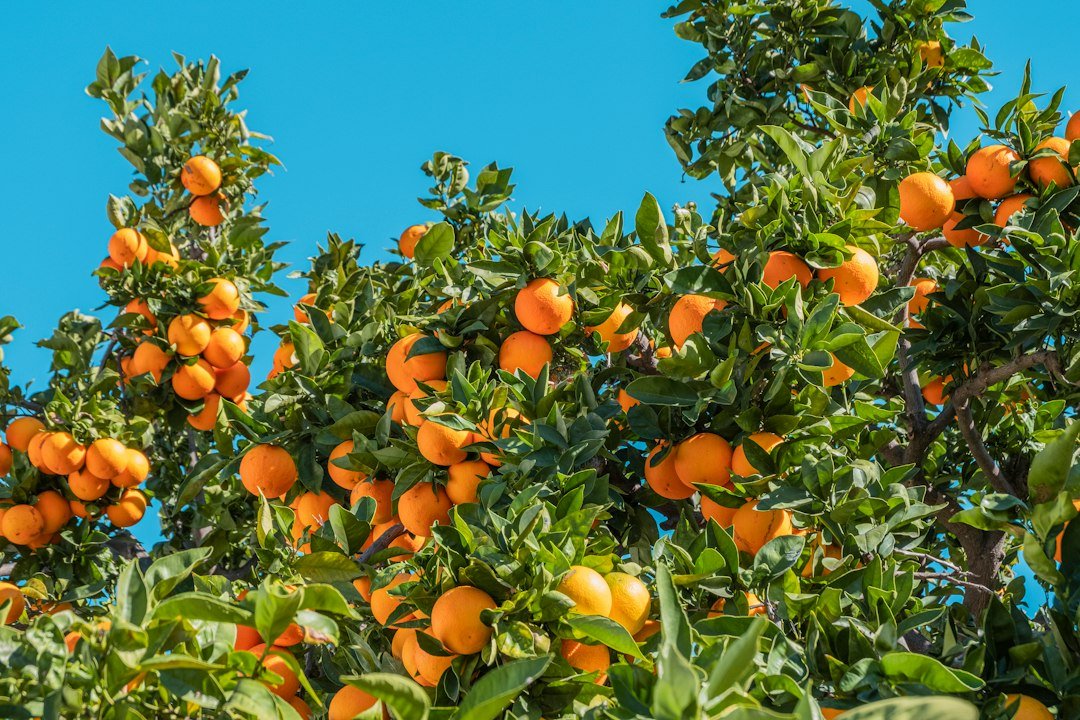
Choose a sheltered position on the south side of your home, away from the shade of larger trees and buildings. Warm walls and patios reflect extra heat, which helps fruit ripen fully and sweeten evenly.
Wind protection matters too. Orange trees have brittle branches that snap easily once loaded with heavy fruit. A fence, hedge or house wall on the windward side keeps limbs and blossoms safe through storm season.
Soil Requirements
Oranges demand well-draining soil that never stays wet around the roots. Sandy loam is ideal, and a fertile loamy soil also works well, provided water soaks in quickly rather than pooling on the surface afterward.
Heavy clay soil holds too much water and invites root disease. Improve it by planting on a raised mound or berm, mixing in compost, and keeping the root zone slightly higher than the surrounding ground.
Aim for a soil pH between 6.0 and 7.0, which is slightly acidic to neutral pH. Rich soil with organic matter supports steady growth, but avoid heavy manure that can burn tender new citrus roots.
How To Plant An Orange Tree In The Ground
Plant in spring after the last frost date in cooler zones. In zones 9 to 11, year-round planting works, although spring planting or early fall gives young trees the gentlest start before summer heat arrives.
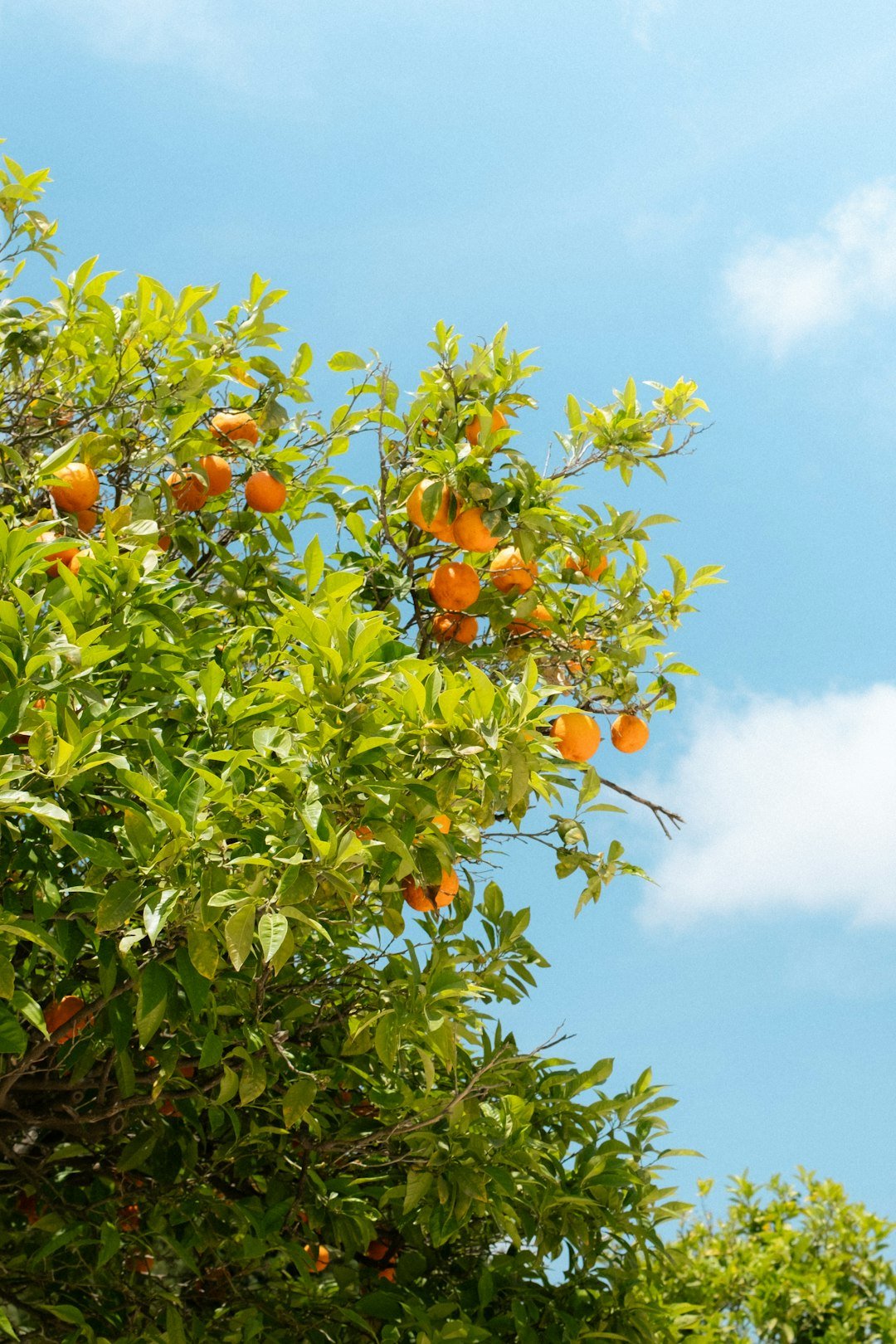
Dig a planting hole twice as wide as the root ball but no deeper. Set the tree so the graft union sits several inches above the soil, then backfill gently without packing it down hard.
Water thoroughly straight after planting to settle the soil. Allow spacing of about 20 feet apart for standard trees and 10 feet for dwarfs, because orange trees develop wide canopies and deep roots over time.
Growing An Orange Tree In A Pot
Container growing lets gardeners in any climate enjoy homegrown oranges. A potted orange tree spends summer outdoors as a patio tree, then moves inside before frost, which makes it perfect for the colder northern states.

Start with a pot size of at least 16 to 18 inches wide and deep, with drainage holes. Fill it with a fast-draining citrus potting mix rather than garden soil, which compacts and stays soggy.
Repotting every two to three years keeps roots healthy. Move up only a few inches in width each time, and raise the pot on sturdy feet so excess water drains freely after every watering session.
Growing An Orange Tree Indoors
An indoor fruit tree needs the brightest spot in your home. A south-facing sunny window or a conservatory works best, and a grow light fills the gap during short, dark winter days in northern climates.
Keep the tree away from cold drafts, exterior doors and heating vents. Sudden temperature swings cause heavy leaf drop, so choose one stable spot and avoid moving the pot around once it has settled indoors.
Indoor air is often dry, especially in heated homes. Raise humidity with a pebble tray or small humidifier. Misting gives only a brief boost, so treat it as an extra rather than the main solution.
Watering An Orange Tree
Orange trees like consistent moisture but hate soggy soil. Young trees need watering two or three times a week in their first year, while mature trees prefer deep watering once a week during dry weather.
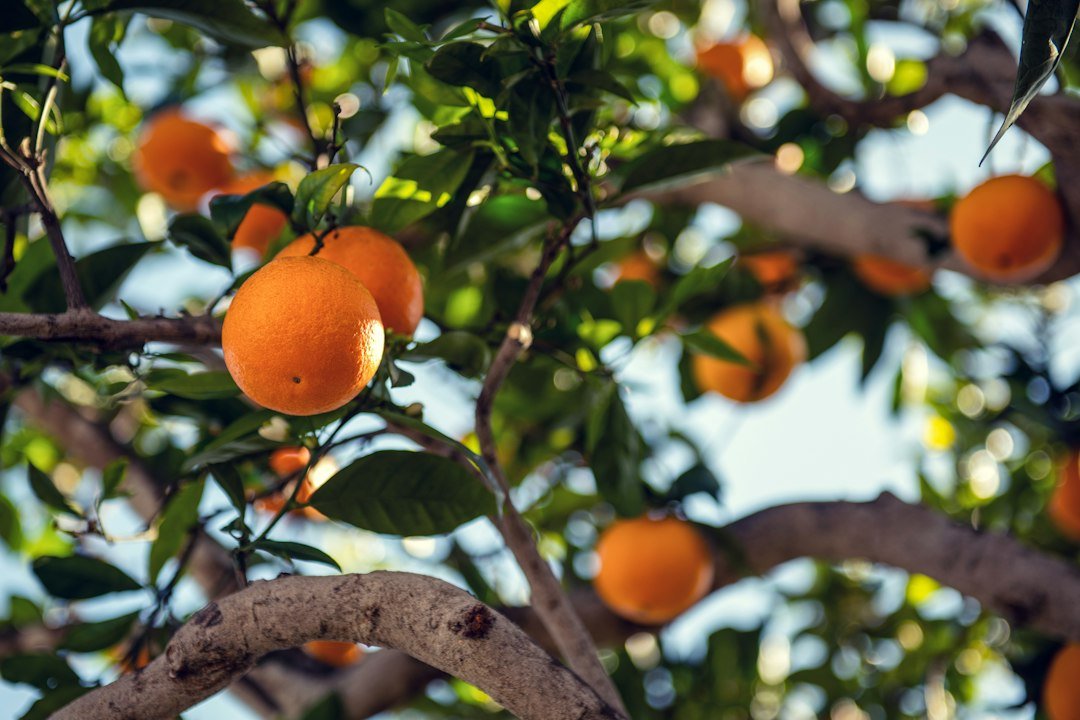
A useful guide is about 1 inch of water per week, adjusted for rain and heat. Check with your finger or a soil moisture meter, and water only when the top two inches feel dry.
Overwatering harms orange trees faster than thirst. Waterlogged roots develop root rot, so always empty the saucer under potted trees. Established trees are fairly drought-tolerant, and evening watering reduces evaporation losses during hot summer weather.
Fertilizing An Orange Tree
Orange trees are notably hungry feeders. A citrus fertilizer supplies nitrogen for leafy growth, plus phosphorus, potassium and micronutrients such as iron, zinc and manganese that keep leaves deep green and support heavy, reliable fruiting.
Follow a simple feeding schedule. Feed young trees every six weeks during the growing season, and give mature trees a feed three or four times a year, typically late winter, spring, summer and early fall.
If an older tree grows poorly, take a soil test before adding more. Pale leaves or leaf curl can signal a nutrient deficiency, and foliar feeding with micronutrient sprays often corrects the problem quite quickly.
Pruning An Orange Tree
Orange trees need only light pruning. The best time is late winter pruning or early spring, after harvest and before the main flush of new growth, because fruit forms on the fresh shoots each season.
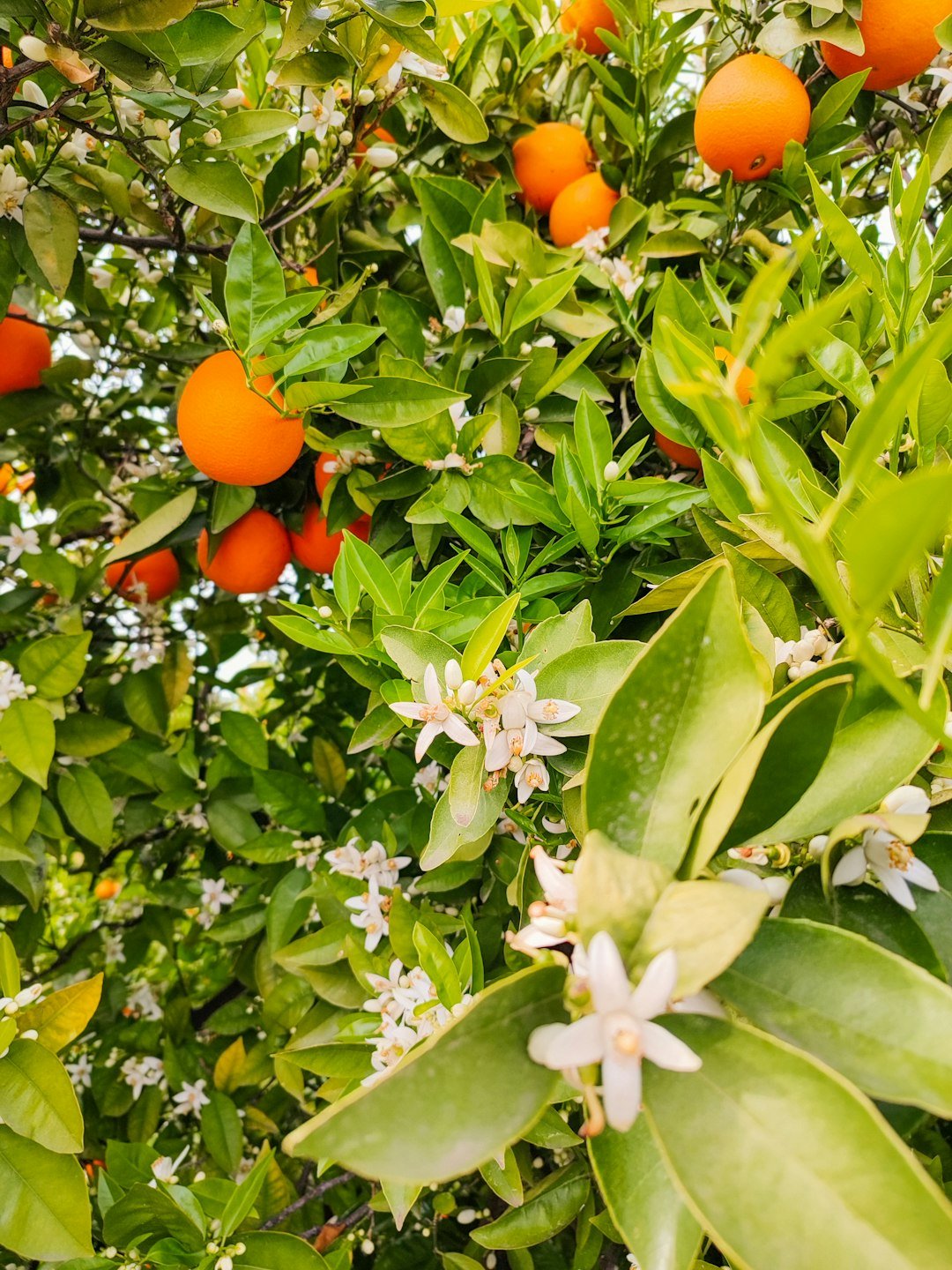
Remove dead branches, damaged branches and crossing branches first. Then thin the interior to create an open canopy that improves airflow and lets sunlight reach inner fruit, reducing fungal problems and hiding spots for pests.
Cut suckers that sprout below the graft union, and remove lower branches within a foot of the ground. Avoid heavy pruning, which stresses trees and exposes bark to sunscald; a whitewash protects newly exposed limbs.
Pollination And Fruit Set
Most orange varieties are self-pollinating, so a single tree produces fruit. Bees still visit the open blossoms, and their work often improves fruit set, producing larger, better-shaped oranges and a noticeably heavier crop each year.
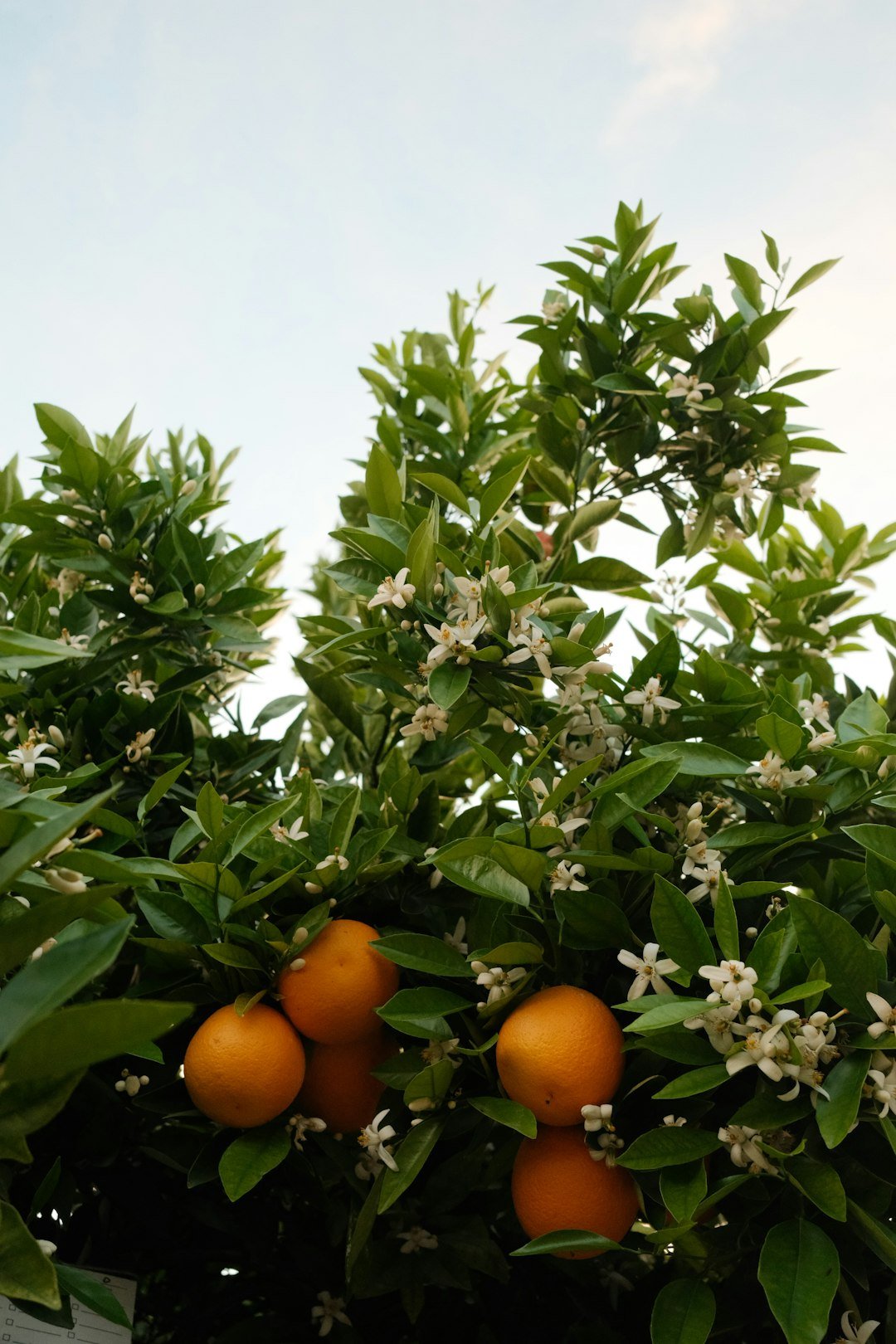
Some varieties set more fruit with cross-pollination from compatible varieties planted nearby. If space allows, growing two different oranges side by side can raise fruit yield, although it is rarely essential for most home gardeners.
Heavy early fruit drop is normal, since trees shed more fruit than they can carry. Excessive leaf drop or fruit loss usually points to stress from drought, overwatering, cold or sudden changes in light levels.
Common Pests
Aphids cluster on tender shoots and curl the leaves, while scale insects form hard bumps along stems. Indoors, spider mites and whiteflies multiply fast in warm, dry air, weakening the tree within a few weeks.
Treat soft-bodied pests with insecticidal soap or neem oil, spraying leaf undersides thoroughly. Caterpillars of the citrus blossom moth feed on flowers and developing fruit, so inspect the blossoms closely every spring for any damage.
The Asian citrus psyllid spreads citrus greening, also called huanglongbing, an incurable disease devastating Florida groves. Report suspected psyllids to your state agriculture department or USDA APHIS, and never move citrus plants across quarantine lines.
Common Diseases And Problems
Citrus canker causes raised, corky lesions on leaves and fruit, and spreads quickly in wind-driven rain. Brown rot, caused by Phytophthora, rots hanging fruit and also attacks roots and trunks in poorly drained, soggy soil.
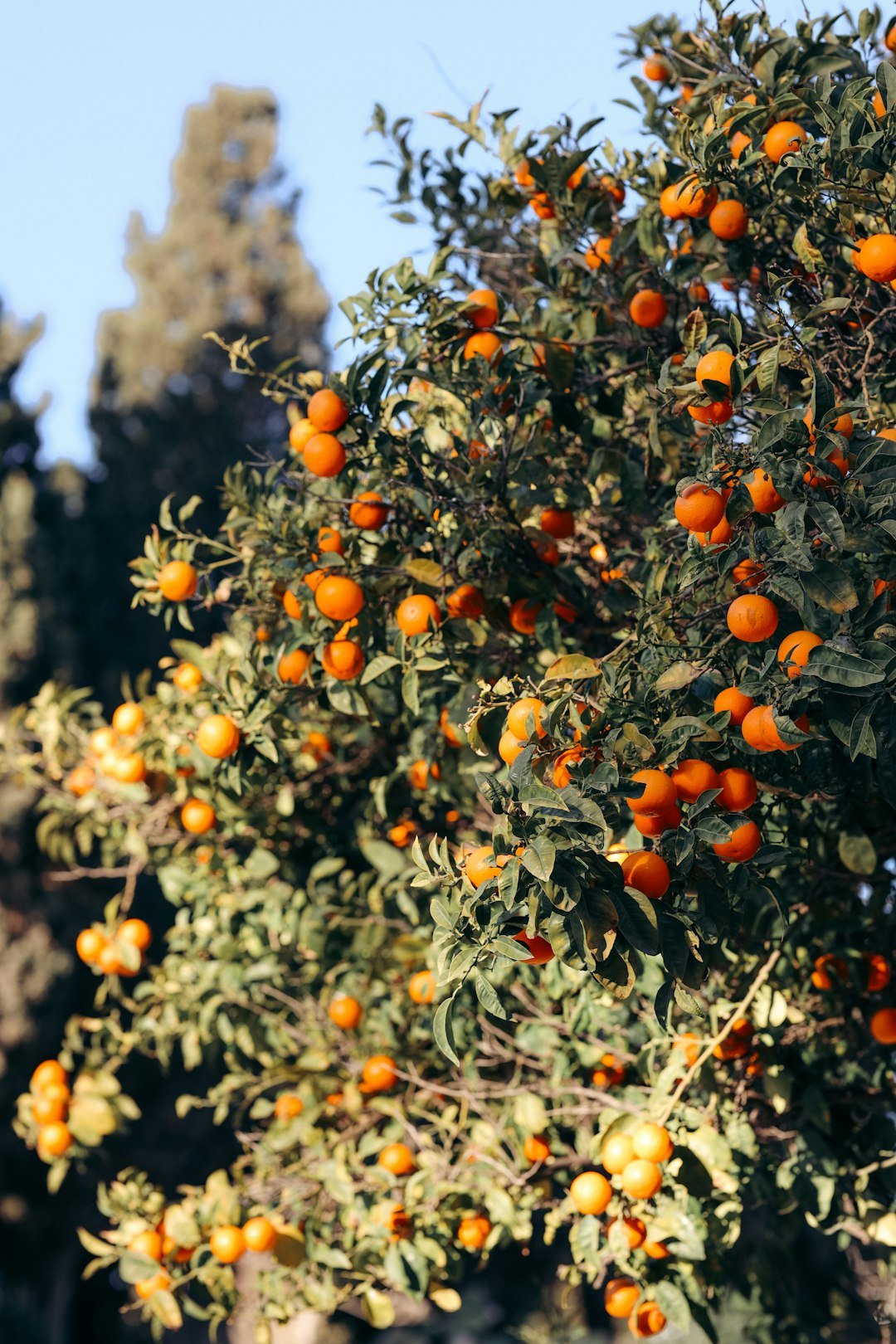
Foot rot attacks the trunk base where soil stays wet. Keep mulch several inches away from the bark, water carefully, and always choose disease-resistant rootstock when buying a new tree from a reputable local nursery.
Yellowing leaves with green veins usually signal chlorosis from iron or magnesium deficiency. Leaves yellowing evenly in constantly wet soil suggest root problems, so check drainage before adding extra fertilizer to a struggling orange tree.
Propagating An Orange Tree
Most home gardeners buy a young grafted tree from a garden nursery. Growers join a productive scion onto a hardy rootstock through budding, which gives faster fruit, stronger roots and better disease resistance than seedlings.
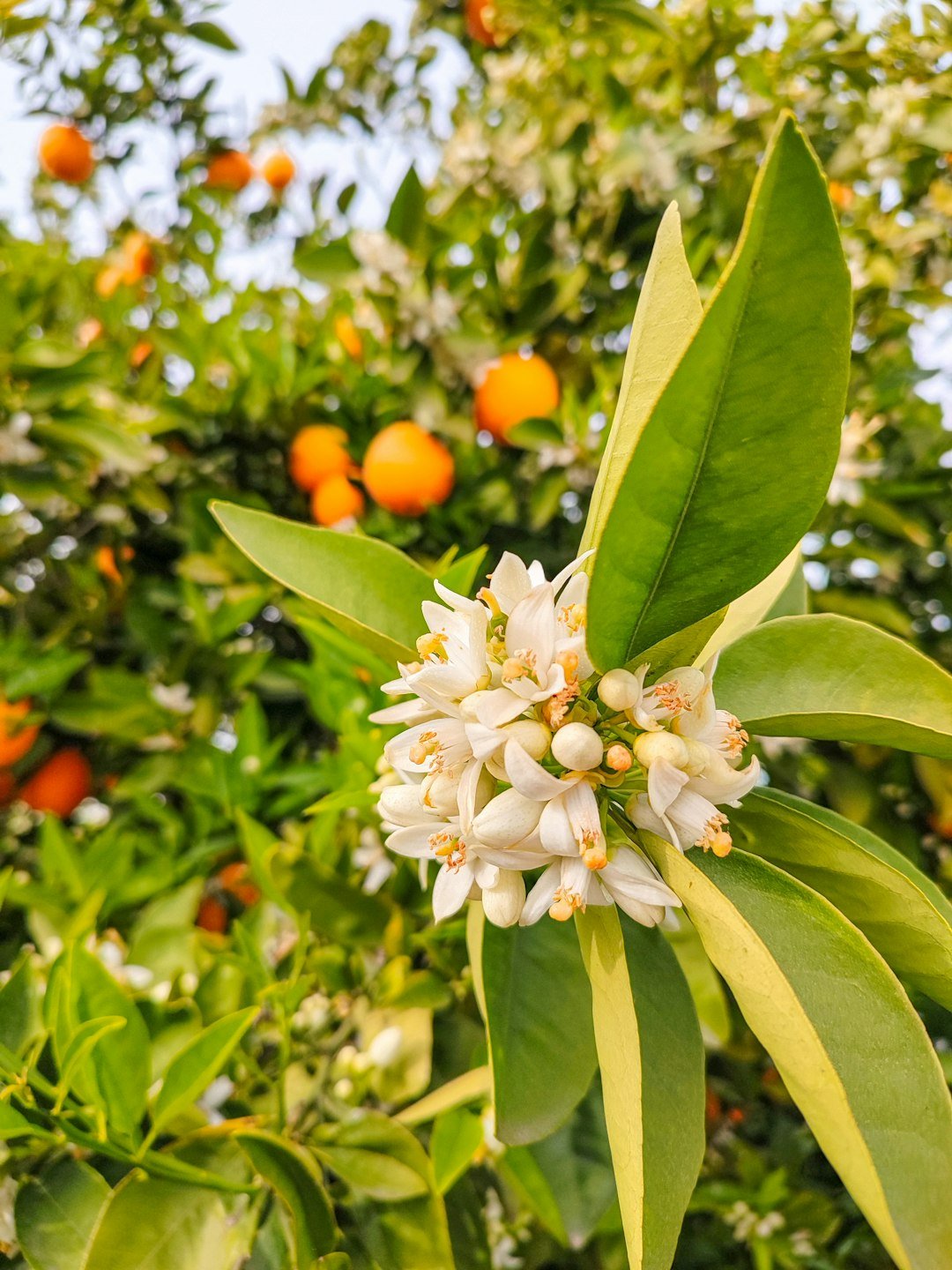
Growing from orange seeds is a fun but slow project. Soak seeds for 24 hours, plant them an inch deep, and keep them warm for germination. A seed-grown tree may not grow true to type.
For an exact copy of a favorite tree, take semi-hardwood cuttings in summer. Dip the cut ends in rooting hormone, plant them in moist mix, and keep them warm until roots form in several weeks.
Harvesting And Storing Oranges
The time to fruit is about 3 to 5 years for a grafted tree, compared with 7 to 15 years from seed. After flowering, the ripening time runs seven to twelve months, depending on variety.
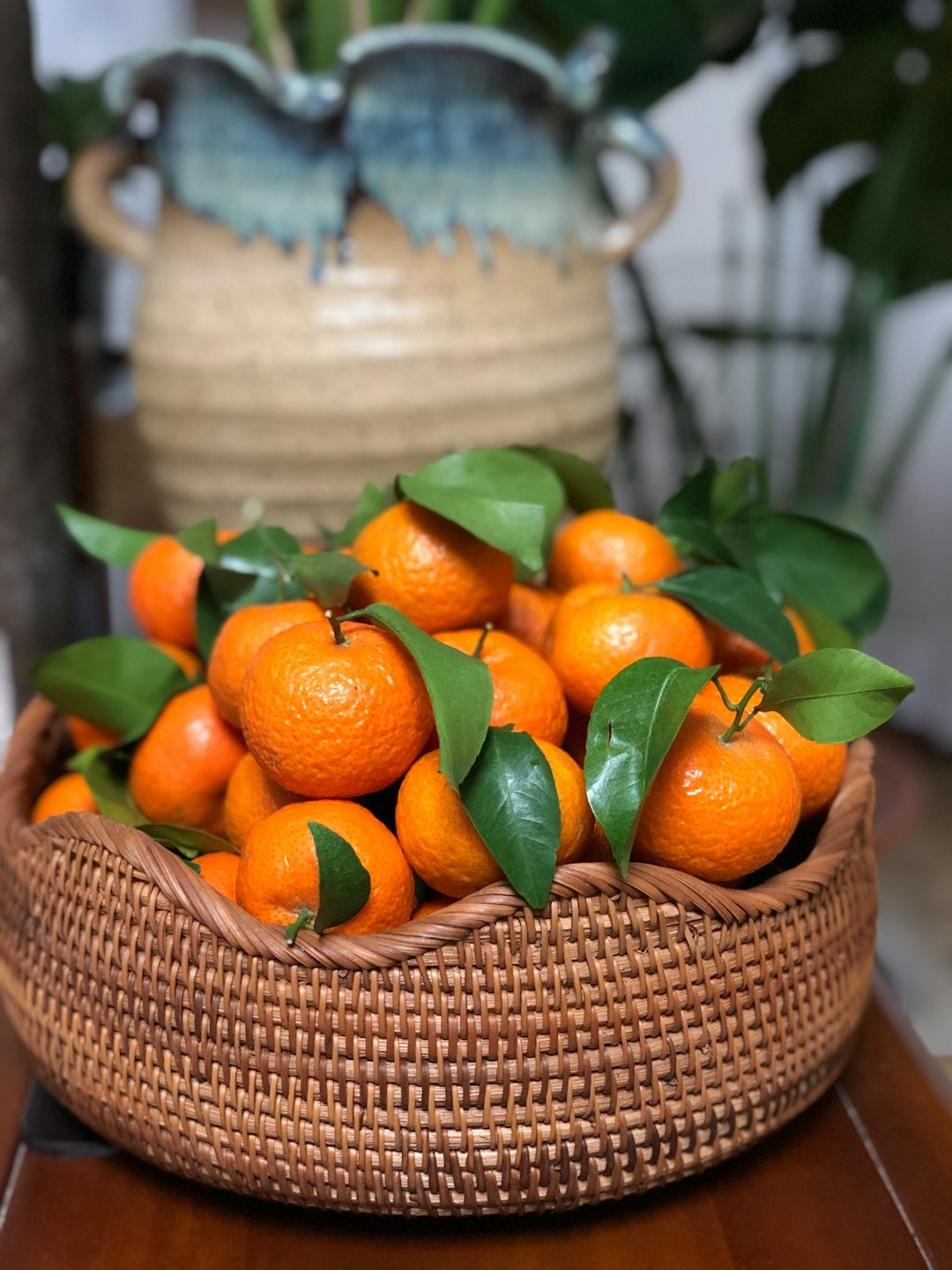
The harvest season depends on variety: navels ripen through winter, and Valencias from spring into summer. Judge ripeness by full skin color, sweet aroma and whether the fruit feels heavy, then use a taste test.
An orange does not ripen off the tree, so pick only fully ripe fruit. Twist and pull it gently or cut stems with pruning shears. Refrigerator storage keeps oranges fresh for two to three weeks.
Orange Tree FAQs
How Long Does An Orange Tree Take To Produce Fruit?
A grafted tree from a nursery usually starts fruiting within two to five years of planting. Many arrive already carrying flowers, but removing early fruit helps roots establish and supports much stronger harvests later on.
Trees grown from seed take much longer, often seven to fifteen years, and the fruit may differ from the parent. For reliable oranges in reasonable time, a healthy grafted tree is always the smarter choice.
Once bearing begins, fruit takes many months to ripen fully after the flowers fade. Navel oranges usually bloom in spring and ripen the following winter, so patience is part of growing sweet, full-flavored homegrown oranges.
Why Are My Orange Tree Leaves Turning Yellow?
Yellow leaves usually point to a watering or nutrition problem. Soggy soil starves roots of oxygen, while pale leaves with green veins suggest an iron or magnesium deficiency that a citrus fertilizer can usually correct.
Check the soil first. If it stays wet for days, water less often and improve drainage. If moisture seems fine, feed with a balanced fertilizer made for citrus that includes micronutrients like iron and zinc.
Hard tap water can also raise soil alkalinity over time, especially in small pots and containers. Watering potted trees with rainwater when possible helps keep the soil slightly acidic and nutrients available to the roots.
Why Is My Orange Tree Flowering But Not Fruiting?
Blossoms that fall without setting any fruit often reflect environmental stress. Drought, overwatering, cold drafts or a sudden heat wave during bloom can cause flowers and tiny fruitlets to drop before they can develop properly.
Pollination may also be limited, especially indoors where bees cannot reach the flowers. Brush pollen gently between open blossoms with a small paintbrush every couple of days while the whole tree remains in full bloom.
Pests can play a part too. The citrus blossom moth damages flowers and young fruit, so inspect the blooms very closely. Balanced feeding and steady moisture through spring give flowers the best chance to set.
Do You Need Two Orange Trees To Get Fruit?
No. Most sweet orange varieties are self-fertile, so a single healthy tree can produce a full crop. This makes oranges a very practical choice for small yards, compact patios and even bright, sunny indoor spaces.
That said, some varieties benefit from cross-pollination. Planting two compatible orange varieties close together can improve fruit set, producing larger oranges and reducing the amount of early fruit that drops from the tree each spring.
If you only have room for one tree, choose a reliable self-fertile variety such as Washington Navel or Valencia. Healthy growing conditions matter far more for good harvests than having a second orange tree nearby.
Can An Orange Tree Survive Frost?
A mature orange tree can survive a brief light frost, but prolonged freezing weather causes serious, lasting damage. Leaves suffer in the mid-20s °F, and young trees are far more vulnerable than older, established ones.
Before a freeze, water the soil well, because moist ground holds heat better. Cover the canopy with frost cloth reaching the ground, and add organic mulch around the base to help insulate the roots overnight.
Potted trees should come indoors whenever nights drop toward freezing. In zones below 9, container growing with winter protection indoors is the most dependable way to keep an orange tree alive and fruiting for years.
What Size Pot Does An Orange Tree Need?
Start a young orange tree in a pot at least 16 to 18 inches wide and deep. This gives the roots room to grow while keeping the container light enough to move indoors each fall.
As the tree grows, step up gradually, adding only a few inches of width each time. An oversized pot holds excess wet soil around small roots, which greatly raises the risk of damaging root rot.
Mature dwarf trees often settle happily in large pots around 20 to 24 inches wide. Every few years, refresh the top layer of mix instead of repotting, and always choose containers with generous drainage holes.
Pingback: Mandarin Tree: Grow Sweet, Seedless Fruit in Pots or Ground
Pingback: Citrus Tree Care: Watering, Fertilizing & Pest Control Guide
Pingback: Kumquat Tree: How To Grow, Care For And Harvest The Cold-Hardy Citrus You Eat Whole - Grovoi