Grapefruit Tree: How To Grow Sweeter Fruit From Year 3, In Ground Or Pots
On this page
- Grapefruit Tree Varieties Compared
- Climate And USDA Hardiness Zones
- Choosing The Right Planting Site
- Soil Requirements
- How To Plant A Grapefruit Tree
- Watering
- Fertilizing For Sweeter Fruit
- Pruning
- Growing In Containers And Indoors
- Pollination And Fruit Set
- Winter And Frost Protection
- Grafted Trees Vs Growing From Seed
- Pests And Diseases
- Troubleshooting Common Problems
- When And How To Harvest
- Grapefruit Tree FAQs
The grapefruit tree, known botanically as Citrus x paradisi, is a broadleaf evergreen in the Rutaceae family. It is a hybrid of the sweet orange and the pomelo, first recorded on Barbados in the 1700s.
This subtropical fruit tree carries dense waxy green leaves, fragrant white flowers in spring, and smooth grayish-brown bark. A standard tree reaches 20 to 25 feet tall, with a broad, rounded crown that casts shade.
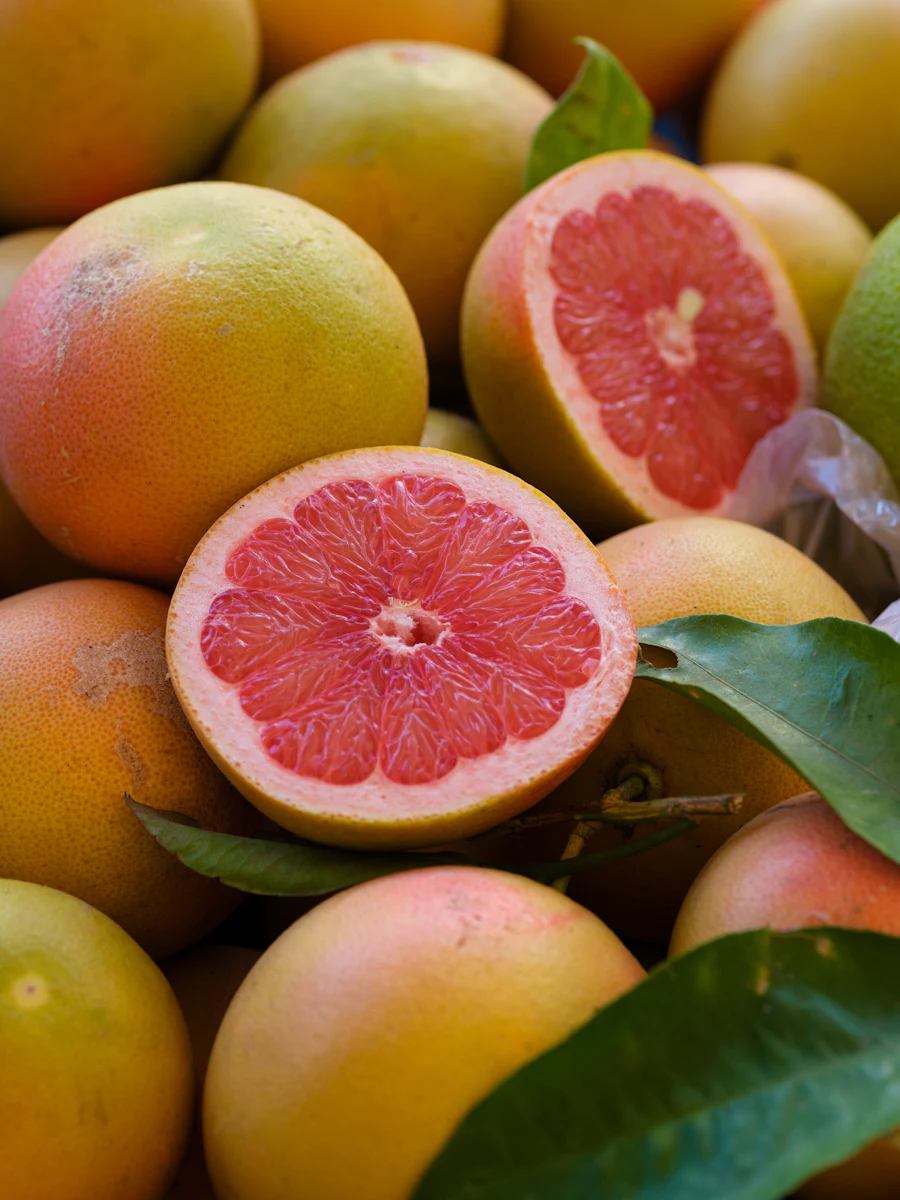
Its softball-sized fruit delivers a sweet-tart flavor alongside plenty of vitamin C, potassium, and antioxidants. Grafted trees start fruiting around year three, and with the right site and feeding, homegrown grapefruit tastes sweeter than store-bought.
Grapefruit Tree Varieties Compared
Red and pink grapefruit dominate American gardens. Ruby Red offers seedless fruit, while Rio Red and Star Ruby develop deeper red flesh and sweetness. Ray Ruby and Flame add color and a long hang time.
White grapefruit types suit growers who enjoy a sharper bite. Duncan is the old Florida standard, Thompson is a mild pink sport, and Oro Blanco and Melogold are nearly seedless pomelo crosses with low acidity.
| Variety | Flesh | Flavor | Best for |
|---|---|---|---|
| Ruby Red | Red to pink, few seeds | Sweet-tart | Reliable all-rounder, juicing |
| Rio Red | Deep red | Very sweet | Long hang time, sweet fruit |
| Star Ruby | Deepest red, few seeds | Sweet, aromatic | Compact trees, rich color |
| Oro Blanco | Pale, nearly seedless | Mild, low acid | Cooler areas, containers |
| Melogold | Pale, nearly seedless | Mild, sweet | Large fruit, low bitterness |
| Duncan | White, seedy | Classic, sharp | Traditional flavor, juice |
For small yards and patios, choose a dwarf grapefruit tree or semi-dwarf grafted form. Many selections are patented cultivars, so buy from licensed nurseries, and match each variety’s harvest window to your climate and taste.
Climate And USDA Hardiness Zones
Grapefruit performs best in zones 9 to 11 on the USDA hardiness zones map, where winters stay mild and summers run hot. That combination of warm days and nights builds the sugar behind excellent fruit.
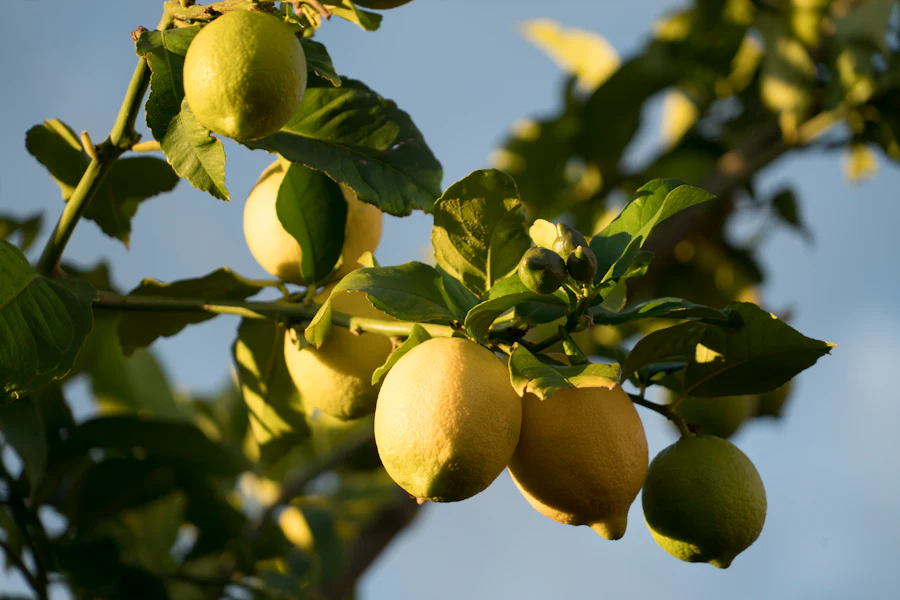
The tree is cold-sensitive. Mature specimens are only cold-hardy to 28°F for short periods, and a hard cold snap can cause freeze damage to leaves, twigs, and fruit. Young trees suffer at even higher temperatures.
Gardeners in zones 7 and 8 can succeed by planting against a warm wall or growing in containers. Outside a frost-free climate or subtropical climate, plan for protection every winter rather than hoping for luck.
Choosing The Right Planting Site
Sunlight is the biggest factor in fruit quality. Give your tree full sun, ideally six to eight hours of direct sunlight daily. Trees in part shade grow leafy but flower poorly and produce sourer fruit.
In marginal areas, the south-facing side of a house offers maximum light and reflected warmth, which doubles as natural winter protection. Avoid low spots where cold air settles, since frost pockets damage blossoms and growth.
Plant at least 12 feet from buildings, walkways, driveways, and other obstructions so the canopy and roots can spread. Spacing between trees also improves air circulation, which keeps foliage drier and reduces fungal disease pressure.
Soil Requirements
Grapefruit demands well-draining soil above all else, because waterlogged roots quickly develop root rot. Loamy soil or sandy loam is ideal, while heavy soil and dense clay soil hold too much water around the roots.
Aim for a slightly acidic pH, ideally within pH 6.0 to 6.8, where citrus absorbs iron, zinc, and manganese efficiently. A simple soil test before planting prevents years of guesswork, poor growth, and yellowing leaves.
Improve poor ground by working compost and other organic matter into a wide area, not just the hole. The goal is fertile soil with a crumbly, friable soil structure that lets roots breathe and spread.
How To Plant A Grapefruit Tree
Spring planting gives roots a full season before winter, while fall planting avoids heat stress in hot regions. Dig a planting hole twice as wide as the root ball but no deeper than the container.
Set the tree so the soil line matches its nursery depth and the bud union, or graft union, sits well above ground. Backfill halfway, water deeply to collapse air pockets, then finish filling and firm.
Keep the bed level or slightly mounded so standing water never collects at the trunk. Spread a two-inch layer of organic mulch across the root zone, keeping it one foot from the trunk against rot.
Watering
New trees need deep watering every few days for the first two weeks. After that, water one to three times a week during the first year, adjusting for heat, rainfall, and how your soil drains.
Established trees usually need a soak once a week, with extra water during dry periods and flowering. Use a slow-dripping hose moved around the dripline, where feeder roots are active, rather than splashing the trunk.
Grapefruit is fairly drought tolerant once established, but overwatering kills more trees than thirst. Use the finger test or a soil moisture meter, and water only when the top two inches of soil feel dry.
Fertilizing For Sweeter Fruit
Grapefruit trees are heavy feeders. If you enriched the soil at planting, skip feeding in year one, then apply a citrus fertilizer three times yearly, in January, May, and June, ahead of flowering and fruiting.
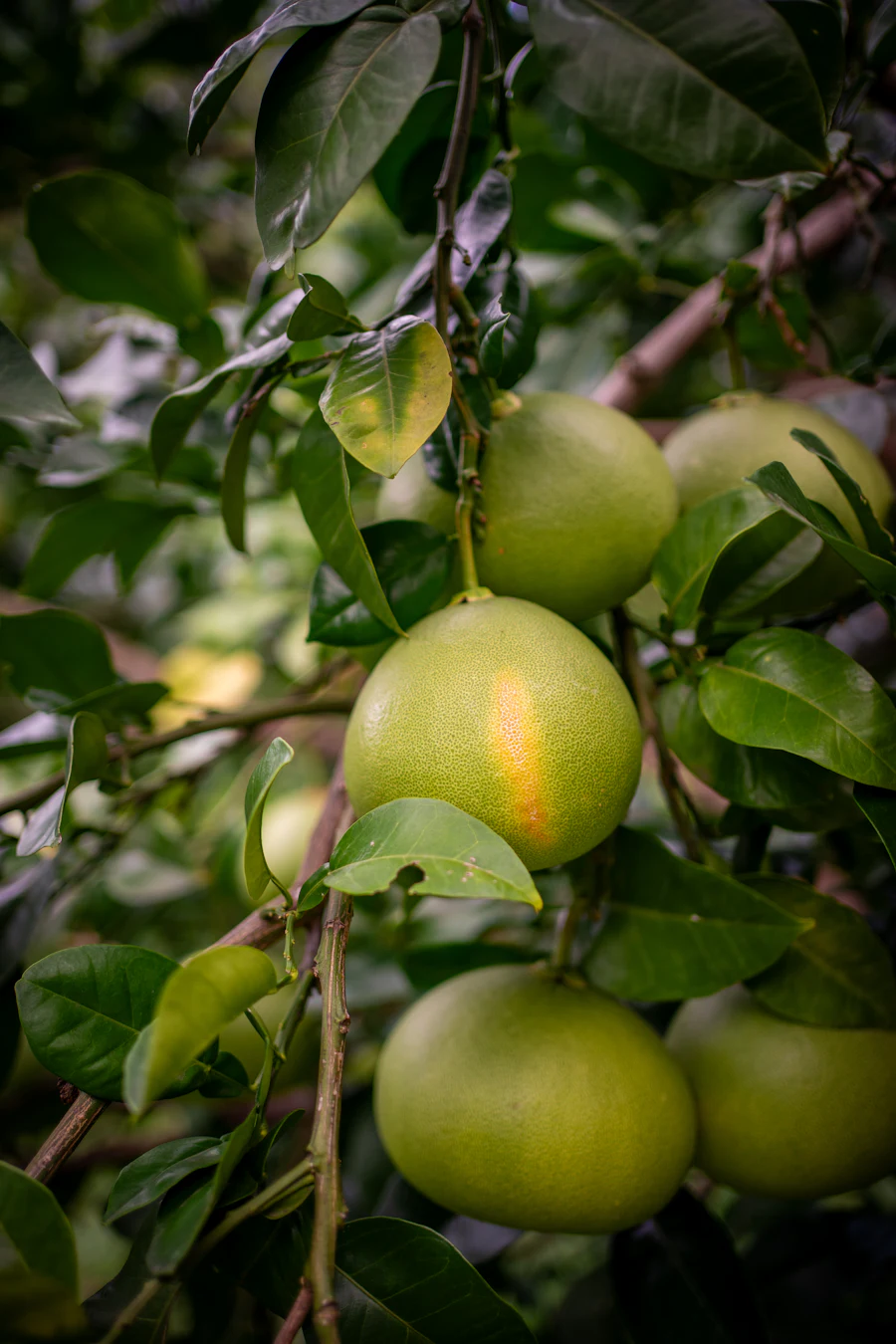
Choose a citrus-specific blend or acid-loving fertilizer with a balanced NPK ratio plus iron and zinc. Adequate nitrogen fuels leaves, but overdoing it produces lush growth, thick rinds, and blander fruit, so follow label rates.
Organic growers can use Citrus-Tone and spread compost over the root zone twice yearly. Potted trees need liquid fertilizer every few weeks during the spring and summer feeding season, because frequent watering flushes nutrients away.
Pruning
Grapefruit needs far less pruning than apples or peaches. Prune in late winter or early spring, before new growth starts, and never after flowering, since cutting then removes the blossoms that become next season’s fruit.
Focus on removing dead branches, damaged branches, diseased branches, and crossing branches that rub against each other. This light pruning opens the canopy, improves light penetration, and helps inner fruit color evenly and ripen sweeter.
For size control, shorten strong vertical growth and trim side shoots to maintain a manageable height. Limit structural pruning to young trees, because heavy cuts on mature grapefruit reduce yields and expose bark to sunscald.
Growing In Containers And Indoors
Container gardening makes grapefruit possible anywhere. Start with a dwarf variety in a pot twice the size of its nursery container, eventually moving up to a 20-gallon container with drainage holes and quality potting soil.
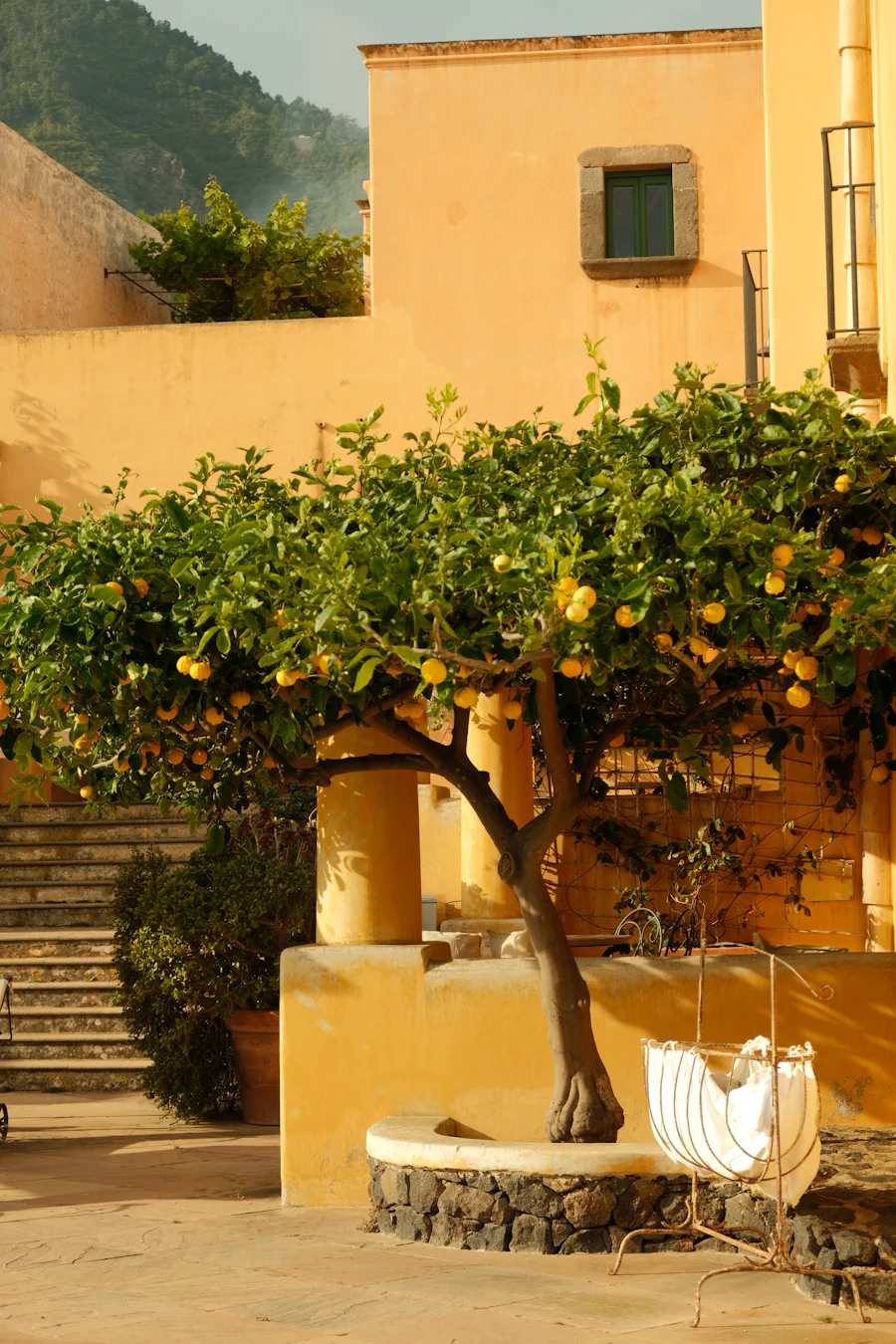
Clay containers breathe better than plastic, reducing root rot risk. Keep pots on a sunny patio or balcony in summer. Bring trees in once temperatures reach the mid-50s at night, and move indoors below 35°F.
Indoors, a south or west-facing window, greenhouse, or conservatory provides the bright light grapefruit craves. Raise humidity with a pebble tray, keep trees away from cold drafts and heating vents, and water less during winter.
Pollination And Fruit Set
Grapefruit is self-pollinating, so one tree is enough for a full harvest. Outdoors, bees and other insects move pollen between blossoms during the spring bloom, and most flowers set fruit without any help from you.
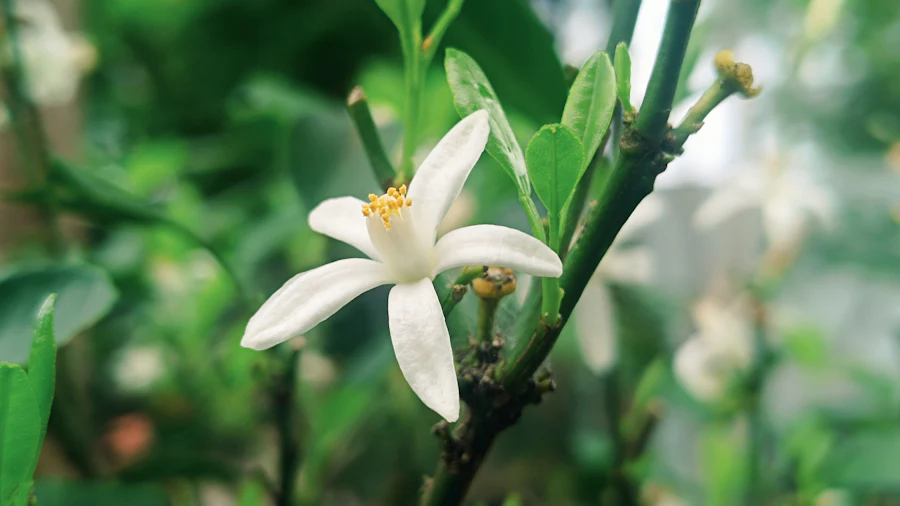
Indoor trees lack pollinators, so hand pollination makes a big difference. Use a small brush or cotton swab to gently transfer yellow pollen from the anthers onto the sticky central stigma of each open flower.
Expect a natural drop of tiny fruitlets after fruit set, which is normal thinning rather than a problem. Consistent watering and feeding during this stage help the tree hold more healthy fruit through to maturity.
Winter And Frost Protection
Even warm regions experience an unexpected freeze now and then. Watch forecasts closely and water the soil a day before cold arrives, since moist ground releases stored heat overnight. Prepare your coverings well in advance.
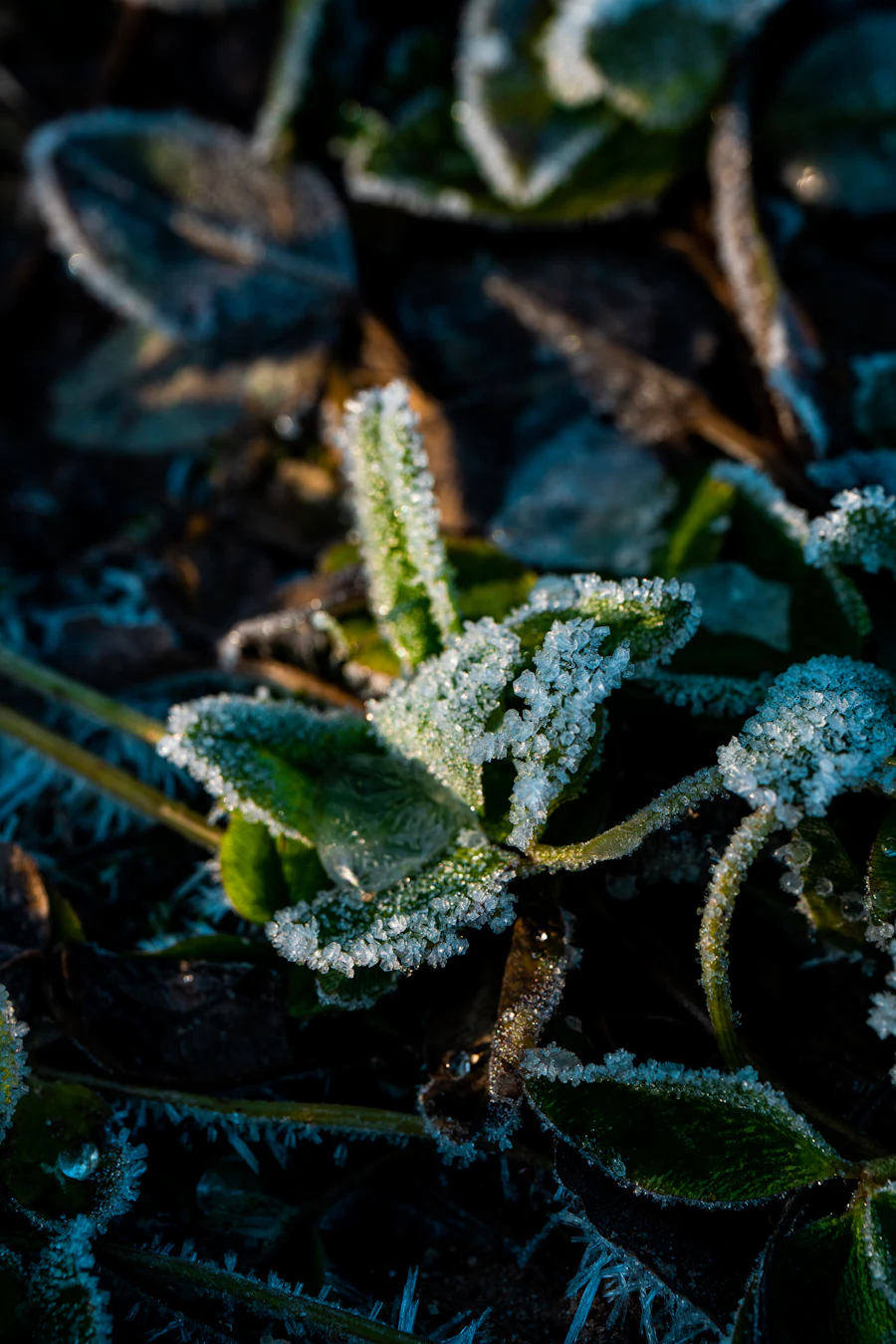
Cover the tree fully with frost blankets, tarps, or burlap that reach the ground to trap soil warmth. Stringing incandescent holiday lights through branches adds gentle heat, while a trunk wrap protects the graft area.
Young trees need complete frost protection, from crown to roots. Established trees usually survive brief cold with root protection and trunk wrapping, even if some leaves and twigs suffer damage that prunes out in spring.
Grafted Trees Vs Growing From Seed
Most nursery stock is a grafted tree: a scion joined to a rootstock, like sour orange rootstock or trifoliate orange rootstock. Grafting adds vigor and disease resistance and brings fruit within three to five years.
Seedlings take 6 to 15 years to fruit and rarely come true to type. Grafters can try bud grafting, making a T-shaped incision in rootstock bark, inserting a bud, and sealing it with grafting tape.
Many cuttings come from patented plants, so a licensed nursery tree is the safest start. Also note the shipping restrictions: mail-order citrus generally cannot enter California, Florida, Texas, Arizona, or Hawaii, so buy locally there.
Pests And Diseases
The citrus leaf miner (Phyllocnistis citrella) tunnels silvery trails through new leaves, while scale insects cluster on stems and excrete sticky honeydew. Horticultural oil controls both pests effectively when applied early, before populations quickly explode.
Thrips, especially Scirtothrips citri, scar rinds and rank as the most destructive pest because they can spread viral diseases. Citrus tristeza virus, carried by citrus aphids, has no cure, so infected trees must be removed.
Fungal and bacterial threats include anthracnose (Colletotrichum gloeosporioides), blast (Pseudomonas syringae), brown rot (Phytophthora), and citrus canker (Xanthomonas axonopodis). Good drainage, steady airflow, clean pruning tools, and prompt removal of infected material prevent most outbreaks.
Troubleshooting Common Problems
Poor fruiting usually traces back to insufficient sunlight, often from shade from buildings or neighboring trees, or to trees too young to bear. Excess nitrogen and nutrient deficiency can leave healthy-looking trees with few flowers.
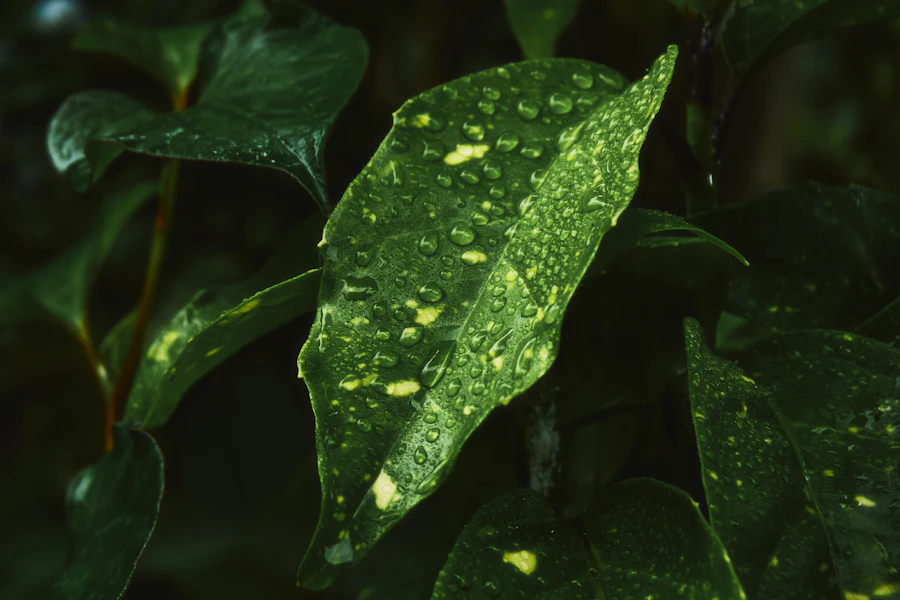
Yellowing leaves, wilting, and bark oozing near the base often signal root rot caused by overwatering or heavy soil. Improve drainage, reduce watering, and clear mulch from the trunk before damage spreads through the roots.
Cold damage shows as browned leaves and split bark after frost. Leaving fruit too long produces lumpy over-ripe fruit and a reduced next-year harvest, so pick once flavor peaks rather than storing fruit on branches.
When And How To Harvest
Grafted trees begin bearing at 3 to 5 years, reaching full production at 6 to 8 years. Remove any fruit in the first two seasons so energy builds roots and branches instead of premature fruit.
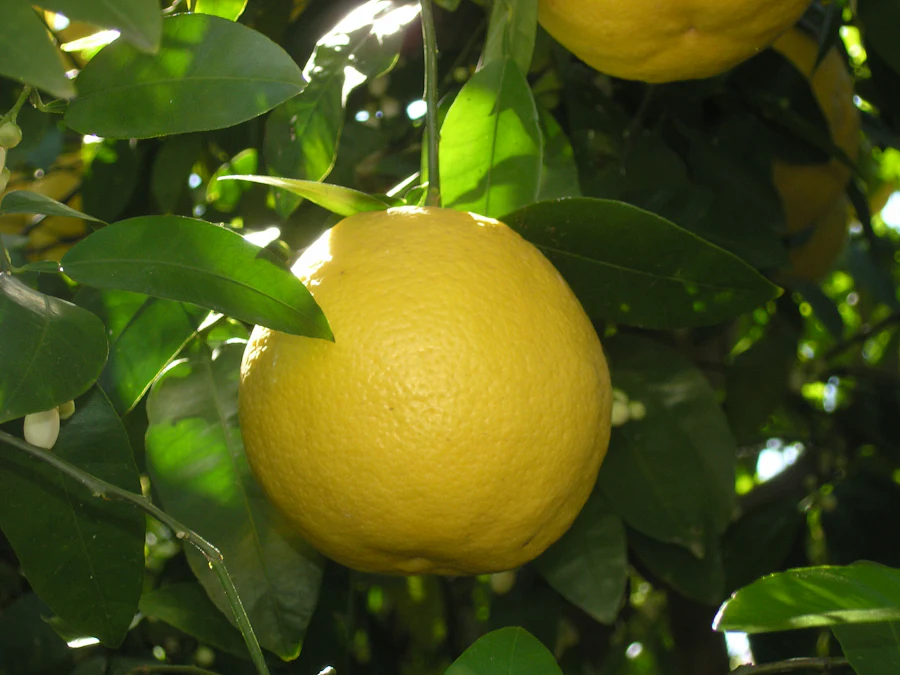
Fruit needs six to twelve months to ripen, with picking from late fall into a winter harvest. Many hang October through June, and fruit turns sweeter on the tree because citrus never ripens after picking.
Ripe rinds shift from green to yellow or a golden color, and fruit feels heavy and firm to the touch. Twist and pull, or use a fruit harvester. Healthy trees yield 20 or more fruits.
Grapefruit Tree FAQs
How Long Until A Grapefruit Tree Bears Fruit?
A grafted grapefruit tree usually produces its first harvest within three to five years of planting. Nursery trees that arrive two or three years old often flower even sooner, sometimes fruiting in their second season.
Seed-grown trees are much slower, often needing six to fifteen years before flowering, and the fruit rarely matches its parent. For dependable timing and quality, always start with a grafted tree from a reputable nursery.
Patience truly pays off. Removing early fruit for the first two years builds a stronger framework, which supports heavier, sweeter crops later and allows the tree to reach full production by roughly its eighth year.
How Big Does A Grapefruit Tree Get?
A standard grapefruit reaches a mature height of 20 to 25 feet with a similar or slightly smaller mature width. Older, unpruned specimens of vigorous varieties like Ruby Red can eventually become true 30-foot giants.
Semi-dwarf trees on size-controlling rootstock typically stay between 8 and 15 feet, making them practical for suburban yards. Dwarf selections grown in containers usually remain between 4 and 8 feet tall with regular light pruning.
Choose your tree size carefully before planting, not after. Matching variety and rootstock to your available space avoids constant heavy pruning, which reduces yields, and keeps harvesting safe without tall ladders or long-handled fruit pickers.
How Long Do Grapefruit Trees Live?
A healthy grapefruit tree has a lifespan of over 50 years when grown in suitable conditions. Many old trees in Florida and Texas groves continue producing heavy crops well beyond their fifth decade of growth.
Longevity depends mostly on drainage, climate, and disease pressure. Trees sitting in wet soil or facing repeated hard freezes decline much faster, while those in warm, well-drained sites often outlive the gardeners who planted them.
Container trees can also live for decades, but their roots eventually crowd the pot and productivity fades. Root pruning and repotting into fresh potting mix every three to four years keeps them vigorous and fruitful.
Can You Grow Grapefruit In Zone 8?
Yes, but it takes careful planning. In zone 8, winter lows regularly dip below the critical 28°F threshold, so an unprotected outdoor tree risks serious damage or even death during a typical zone 8 winter.
The most reliable approach is container growing. Choose a dwarf variety, pick the right container size for its roots, and move the tree into a garage, sunroom, or greenhouse whenever freezing temperatures threaten your area.
In-ground planting can also work in the warmest zone 8 pockets. Plant against a south-facing wall, mulch the roots heavily, and keep frost blankets and incandescent lights ready for every serious cold forecast throughout winter.
Do You Need Two Grapefruit Trees To Get Fruit?
No. Grapefruit trees are self-pollinating, so a single tree produces fruit on its own. Each flower contains both male and female parts, allowing pollen to fertilize blossoms on the same tree without any outside assistance.
Planting a second tree will not noticeably increase yield, though it can extend your harvest season if you choose varieties that ripen at different times, such as an early Oro Blanco beside late Star Ruby.
Indoor trees are the practical exception. Without bees or other insects, flowers may not pollinate properly, so brushing pollen between blossoms by hand ensures good fruit set on container trees kept inside during spring bloom.
Why Is My Homegrown Grapefruit Sour?
Sour grapefruit usually means the fruit was simply picked too early. Citrus does not ripen after harvest, so fruit must stay on the branch long enough for natural acids to drop and sweetness to build.
Climate plays a major role too. Grapefruit develops the most sugar during long stretches of heat, so trees in cooler or cloudier areas often produce tarter fruit, even when every other growing condition is ideal.
Maximize sweetness by giving full sun, watering consistently, avoiding excess nitrogen, and choosing sweeter red varieties like Rio Red or Star Ruby. Tasting one test fruit before harvesting the whole crop always confirms peak flavor.
Pingback: Mandarin Tree: Grow Sweet, Seedless Fruit in Pots or Ground
Pingback: Kumquat Tree: Grow, Care & Harvest Guide (Pots + Varieties)
Pingback: Citrus Tree Care: Watering, Fertilizing & Pest Control Guide