How Much Are Fruit Trees? Costs By Size, Type And Age
On this page
How much are fruit trees? The short answer is anywhere from about $16 for a bare root whip at a local conservation sale to $600 or more for a boxed avocado that is already 8 feet tall. The price depends mainly on three things: the size and age of the tree, the type of fruit, and where you buy it.
This guide uses real prices listed by US nurseries and retailers in late 2026, so you can see what a fruit tree costs at each size, which extras to budget for, and when paying more for an established tree makes sense. Prices change with the season and sales, so treat the figures as a guide rather than a quote.
How Much Are Fruit Trees At A Glance
Nurseries price fruit trees mostly by the size of the root system and the container it sits in. A small bare root tree is cheap to grow and ship. A tree in a 24 inch wooden box has spent years in the field and needs a truck and a crew to move.
Typical Fruit Tree Cost By Size
| Size or format | Typical height | Typical price | Example |
|---|---|---|---|
| Bare root, district sale | 3 to 6 ft whip | $16 to $25 | Stanley plum, $16 (Lackawanna County, PA) |
| Bare root, mail order | 3 to 5 ft | $40 to $65 | Honeycrisp dwarf, $39.99 (Stark Bro’s) |
| Small pot (4 inch to 1 gal) | 4 in to 3 ft | $24 to $75 | Meyer lemon, 4 inch pot, $23.99 |
| 3 to 7 gallon | 2 to 5 ft | $65 to $200 | 5 gal McIntosh apple, $66.98 (Home Depot) |
| 15 gallon | 5 to 8 ft | $179 to $200 | Fuji apple or Elberta peach, $179 |
| 24 inch box | 7 to 10 ft | $395 to $600 | Hass avocado, $595 |
Why The Same Tree Can Cost Five Times More
A Gala apple can sell for $49.99 as a bare root tree and close to $400 in a 24 inch box. The fruit is the same. What you pay for is nursery time, labor, soil, water and freight. Bigger trees also cost more to deliver and often need a crew to plant.
Fruit Tree Cost By Size And Format
Here is what each size buys you, with real listings from nurseries that ship across the US or serve large regions.
Bare Root Trees: $16 To $65
Bare root trees are dug in the dormant season and sold with no soil around the roots. They are the cheapest way to buy. Stark Bro’s lists a dwarf Honeycrisp, 3 to 4 feet tall, for $39.99, and a larger “Supreme” semi-dwarf Granny Smith, 4 to 5 feet, for $49.99. Raintree Nursery prices most single variety bare root trees at $64.99 and multi-graft trees at $89.99 to $99.99.
County conservation districts are cheaper still. The Lackawanna County Conservation District in Pennsylvania listed 4 to 5 foot Stanley plum and Bounty peach whips at $16 each for 2026, and a Michigan district sold all of its bare root fruit trees at $25.
Small Pots And Starter Trees: $24 To $75
Citrus is often sold as small potted plants. Stark Bro’s lists a Meyer lemon in a 4 inch pot for $23.99 and a Star Ruby grapefruit for $36.99. Its “EZ Start” deep pots cost more: $64.99 for a Chicago Hardy fig and $74.99 for a dwarf Honeycrisp apple. These starter pots can be planted almost any time the ground is not frozen.
Three To Seven Gallon Trees: $65 To $200
This is the size most people see at garden centers. Home Depot lists a 5 gallon McIntosh apple at $66.98. In Florida, Everglades Farm sells grafted mango trees at $89.95 in 3 gallon pots and $154.95 in 7 gallon pots. Stark Bro’s top grade Honeycrisp in a 7 gallon grow bag is $199.99, marketed as fruiting about two years sooner than a small tree.
Fifteen Gallon And Boxed Trees: $179 To $600
These are the established fruit trees for sale that give an instant look. PlantClearance, a grower that delivers in California, Nevada and Arizona, lists 15 gallon apple, peach, plum and apricot trees at $179 and 15 gallon avocados at $195. In 24 inch boxes, most of its deciduous fruit trees are $395, figs are $395 to $495, and avocados are $595 for trees 7 to 10 feet tall.
Fruit Tree Cost By Type
The kind of fruit also moves the price. If you are still choosing, our guide to types of fruit trees compares 30 options by family and climate.
Apples, Pears, Peaches And Plums
Temperate fruit trees are the cheapest group because nurseries grow them in huge numbers. Expect $16 to $25 at district sales, $40 to $65 bare root by mail and about $179 in a 15 gallon can. Newer trademarked apples tend to start higher. At Stark Bro’s, older varieties start at $39.99 while newer trademarked apples start at $64.99, though those are only sold in starter pots. Our apple tree guide explains which rootstock to choose.
Citrus Trees
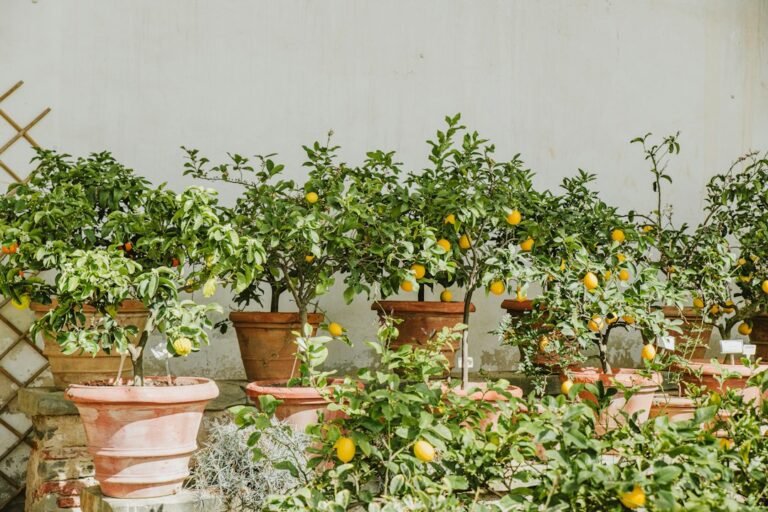
Citrus is cheap as a small plant and climbs quickly with size. A 4 inch Meyer lemon starts around $24, while Four Winds Growers lists 2 to 3 foot semi-dwarf citrus at $65 and 3 to 4 foot trees at $86. Buy citrus only from state registered nurseries if you live in a citrus growing state, since quarantines apply. See our lemon tree guide for care in pots.
Mango And Avocado
Tropical trees are the most expensive at every size. Grafted mangoes run $89.95 to $197.95 from 3 to 15 gallons. Hass avocados start around $100 by mail order, $195 in a 15 gallon can and $595 in a 24 inch box, roughly $200 more than an apple or peach of the same box size. Read our mango tree guide before you buy, since frost can kill a young tree.
Fig Trees
Figs sit in the middle. Stark Bro’s lists Brown Turkey and Celeste at $64.99 and Chicago Hardy from $31.99 in a 4 inch pot. Boxed figs in California cost $395 to $495. Figs root easily and fruit young, so a small, cheap tree is usually the smart buy. Our fig tree guide covers cold hardy picks.
Are Established Fruit Trees Worth It?
Big trees look great on day one, but the extra money does not always buy you fruit sooner.
Transplant Shock And Establishment Time
When a nursery tree is dug, much of its root system stays behind. Research summarized by UF/IFAS Environmental Horticulture estimates that trees need about three months per inch of trunk diameter to establish in zones 9 to 11, six months per inch in zones 7 and 8, and a year or more per inch in zones 2 to 6. A 3 inch boxed tree in a cold state can sulk for three years, while a small whip planted the same day settles in fast and often catches up.
When A Bigger Tree Makes Sense
A 15 gallon or boxed tree is worth it when you need quick shade or screening, when you garden in a mild climate where establishment is fast, or when the variety is slow to bear from a small graft, as many avocados are. For apples, peaches, plums and figs in most of the country, a healthy bare root or 5 gallon tree is the better value.
Hidden Costs: Shipping, Planting And Extras
The sticker price is only part of the bill. Budget for these extras before you order.
Shipping From Mail Order Nurseries
Shipping can add 15 to 27 percent to an order. Raintree Nursery charges 15 percent of the order with a $24.99 minimum in western states and 25 percent with a $39.99 minimum elsewhere. Burnt Ridge Nursery charges $23.95 to $31.95 for orders under $100. Trees.com, formerly Fast Growing Trees, charges $19.95 under $99 and ships free above that.
Professional Planting
Small trees are easy to plant yourself with our guide on how to plant a tree. Larger trees often need help. One garden center planting service charges $149 to $269 per tree, scaled by the tree’s price, with discounts for three or more. A California desert nursery charges $50 to plant a 15 gallon tree, $125 for 25 gallons and $350 for a 36 inch box, plus delivery.
Pollinators, Stakes And Soil
Many apples, pears, sweet cherries and Japanese plums need a second variety to set fruit, which doubles the tree cost. Add a few dollars for a stake and tree guard, plus mulch. If you are short on room, a self fruitful tree from our list of dwarf fruit trees for pots avoids the need for a partner.
Worked Example: A Small Backyard Orchard
Say you want two semi-dwarf apples, a fig and a Meyer lemon in a pot, bought by mail. Two bare root apples at $49.99 each plus a fig at $64.99 and a lemon at $23.99 come to $188.96. At 25 percent shipping, add about $47, for roughly $236 in total. The same four trees in 15 gallon cans could easily top $700 before delivery and planting.
Where To Find Fruit Trees For Sale
Where you shop affects both price and quality. Always buy from a seller that guarantees trees are true to name.
Conservation District And Arbor Day Sales
Many county conservation districts run spring tree sales with order forms posted in winter. Prices are low and stock is suited to the region, but choices are limited and you collect the trees on a set pickup day. The Arbor Day Foundation also sells fruit trees, with lower prices for members.
Mail Order Nurseries
Mail order specialists offer the widest choice of varieties and rootstocks, usually as bare root trees shipped in late winter. Compare total cost including shipping, and check the guarantee terms before you order.
Local Garden Centers And Big Box Stores
Local nurseries let you see the tree before you pay, and they tend to stock varieties that suit local chill hours. Big box stores can be cheap, but check the tag for chill hour needs, since stores sometimes sell trees meant for other climates.
Frequently Asked Questions
How much does a fruit tree cost on average?
Most home gardeners pay $40 to $65 for a bare root fruit tree from a mail order nursery, or about $65 to $90 for a 3 to 5 gallon potted tree at a garden center. Conservation district sales can be as low as $16 to $25 a tree, while 24 inch boxed trees run about $395 to $600.
Why are some fruit trees so expensive?
Price rises with container size, age and how hard the tree is to grow. A 24 inch box tree has spent years in a nursery and needs a truck to move. Tropical trees such as avocado and mango, grafted multi variety trees and newer trademarked cultivars also carry higher prices.
Is it cheaper to buy bare root fruit trees?
Yes. Bare root trees are usually the lowest cost option because they ship without soil and pots. They are sold only in the dormant season, roughly late winter to early spring, and must be planted soon after they arrive.
Do bigger fruit trees fruit sooner?
Sometimes, but not always. A larger tree loses more of its roots when it is dug, so it can take longer to settle in. UF/IFAS estimates about one year of establishment per inch of trunk diameter in colder zones, so a small tree may catch up with a big one within a few seasons.
How much does it cost to have a fruit tree planted?
Professional planting usually adds roughly $50 to $270 per tree depending on size. One California nursery charges $50 to plant a 15 gallon tree and $350 for a 36 inch box, while a garden center planting service charges $149 to $269 per tree based on the tree’s price.
Final Thoughts
For most yards, the best value is a healthy bare root or 3 to 5 gallon tree of a variety that suits your zone. Spend the savings on a pollination partner, good soil prep and water in the first summer, which matter more than size.
Choose The Tree First, Then The Size
Decide what you want to grow, then pick the size that fits your budget and patience. Start with our overview of types of fruit trees, or browse every guide in our fruit trees section.
Pingback: Large Fruit Trees: 15 Big Fruit Trees For Shade And Big Harvests - Grovoi