Best Fruit Trees For Beginners: 12 Easy Trees That Actually Fruit
On this page
Plenty of new growers plant a tree, wait three years and get nothing. The fix is choosing good fruit trees from the start: trees that fruit without a partner, shrug off most pests and suit your winter. This guide ranks 12 of the best fruit trees to grow as a beginner, using facts from university extension services.
Each pick lists its zones, size, pollination needs and years to first fruit, plus the one thing most likely to trip you up. Start with the first group if you want the least work.
What Makes Good Fruit Trees For Beginners
An easy fruit tree is not just a tree that survives. It needs to fruit reliably with simple care. Three traits matter most.
Self Fruitful, So One Tree Is Enough
Many apples, pears, plums and sweet cherries need a second, compatible variety nearby to set fruit. A self fruitful tree removes that risk. UC Agriculture and Natural Resources lists apricots, citrus, nectarines, peaches, persimmons and pomegranates as self fruitful, and the nursery tag should tell you if a pollinator is needed.
Few Pest And Disease Problems
The easiest trees rarely need spraying. Figs, persimmons, mulberries, jujubes and pawpaws are all described by extension services as having few serious pests. Disease resistant cultivars of apple and pear can also cut spraying sharply.
Matched To Your Zone And Chill Hours
Deciduous fruit trees need a set number of winter chill hours, the hours below 45°F in winter. A tree that gets too little chill blooms unevenly. One that needs too little for your area may bloom early and lose its crop to frost. Buy varieties sold for your region, ideally from a local nursery.
Easiest Fruit Trees With Little Spraying
These six trees are the true low effort choices. Most need no spraying at all in a typical home garden.
1. Fig
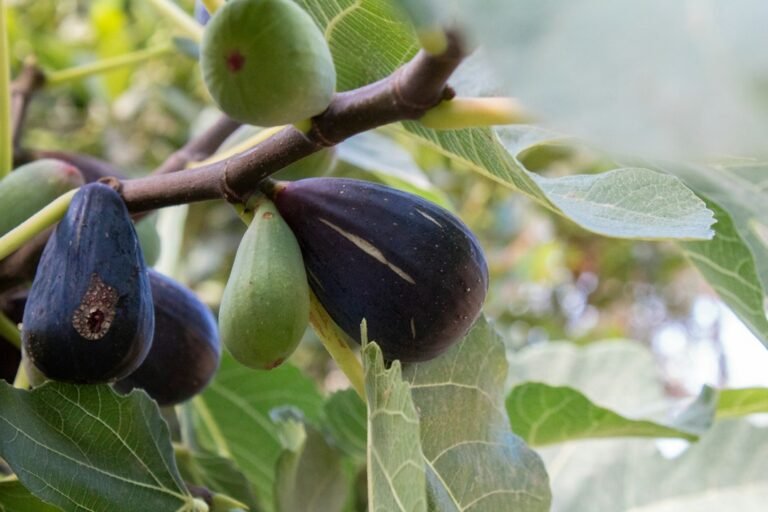
Figs grow in zones 7 to 10, with wall protection in zone 7, and reach 10 to 20 feet in most yards. Most common figs fruit without pollination, and University of Tennessee Extension notes that pests and diseases are typically not a serious issue. Expect the first crop in two or three years. The main risk is winter cold, so choose a hardy cultivar. Our fig tree guide lists the best ones.
2. Asian Persimmon
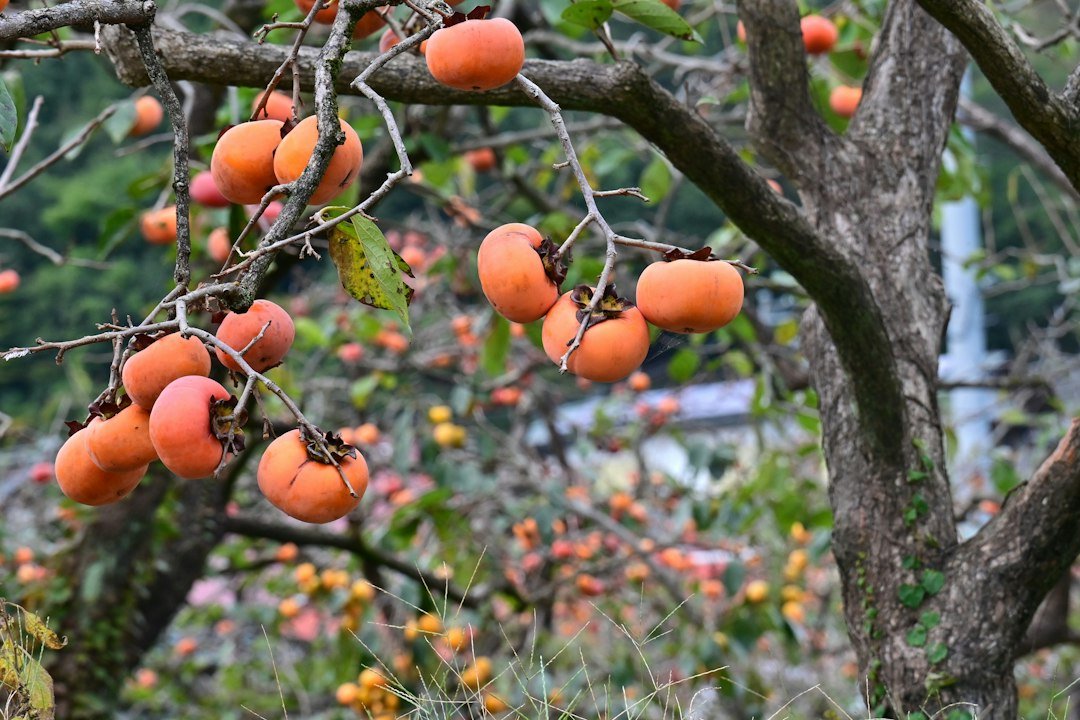
Asian persimmons grow in zones 7 to 10 and reach 20 to 30 feet, though some stay near 10 feet. They set seedless fruit without a partner, and NC State Extension reports no serious insect or disease problems. They are slower to start, usually at four to six years. Pick a non astringent type such as Fuyu if you want to eat the fruit firm. Our persimmon tree guide compares Asian and American types.
3. Mulberry
Fruiting mulberries such as Illinois Everbearing are hardy in zones 4 to 9 and can bear as soon as the first year after planting. They grow 3 to 5 feet a year into large shade trees with few pest problems. The drawbacks are size and mess: fallen fruit stains patios and cars, so plant away from paths. Avoid white mulberry in areas where it spreads as a weed.
4. Pawpaw
Pawpaw is a native tree for zones 5 to 8 that grows up to about 25 feet. Grafted trees bear in three to four years and need few or no sprays. It is the one tree on this list that needs a partner: plant two different named cultivars. Young trees also like some shade for their first few years.
5. Jujube
Jujube grows in zones 6 to 9, reaches 15 to 30 feet and often gives a few fruit in its second year. New Mexico State University calls it a tough tree that is easy to care for and almost pest free. Some cultivars fruit alone, but a second variety improves the crop. Watch for thorny shoots and root suckers.
6. Pomegranate
Pomegranate is a 6 to 12 foot shrub or small tree for zones 8 to 10, and UF/IFAS confirms one plant is enough. Texas A&M notes plants start producing in three to four years and live a long time. It does best in dry summers. In humid areas, fruit set and leaf spots can be a problem, and uneven watering makes fruit split. See our pomegranate tree guide.
Easy Fruit Trees That Need A Little More Care
These six are still good beginner choices, but expect a bit more attention, such as netting, pruning or a partner tree.
7. Meyer Lemon
Meyer lemon grows in the ground in zones 8b to 11 and stays 6 to 10 feet tall. It is self pollinating and does well in a container that moves indoors in winter, so it works anywhere. It cannot take frost and needs at least six hours of sun or a grow light. Our lemon tree guide covers potting mix and feeding.
8. Tart Cherry
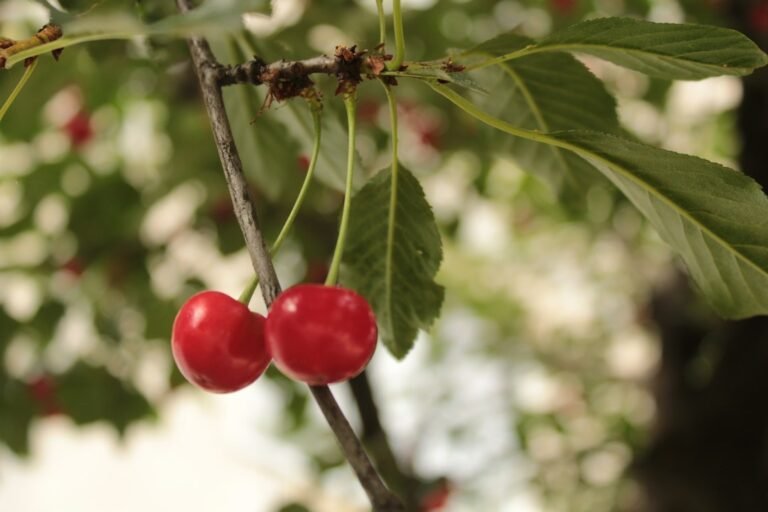
Tart cherries such as North Star and Montmorency are hardy in zones 3 to 8 and are self fruitful, unlike most sweet cherries. North Star is a natural dwarf at 8 to 10 feet. They usually bear in two to three years. Birds love the fruit, so plan to net the tree. Our cherry tree guide compares sweet and tart types.
9. Asian Pear
Asian pears grow in zones 5 to 8 and bear from about year three. NC State notes they tolerate fire blight better than European pears. Most need a second pear for cross pollination, and they set heavy crops that should be thinned to one fruit every 6 to 8 inches.
10. Fire Blight Resistant European Pear
Fire blight is the main pear disease, so pick a resistant cultivar such as Moonglow, Orient, Carrick or Warren. Moonglow on dwarf rootstock stays 8 to 12 feet. Plan on two cultivars for pollination and a three year wait for fruit. Our pear tree guide lists more options.
11. European Plum
Many European plums, such as Stanley and Mount Royal, are self fertile and cold hardy, so one tree can crop. Standard trees reach 16 to 20 feet and start bearing three to five years after planting. They are not spray free: plum curculio, brown rot and black knot need watching. See our plum tree guide.
12. Disease Resistant Apple
Apples are only a beginner tree if you choose resistant cultivars. Iowa State University Extension rates Liberty and Freedom as highly resistant to apple scab and resistant to cedar apple rust and fire blight. You still need two varieties for pollination and some insect control. Our apple tree guide covers rootstocks.
Beginner Fruit Trees Compared
Use this table to narrow the list by zone and pollination. Zones are approximate and vary by cultivar.
| Tree | Approx. USDA zones | One tree enough? | Years to first fruit |
|---|---|---|---|
| Fig | 7 to 10 | Yes | 2 to 3 |
| Asian persimmon | 7 to 10 | Yes | 4 to 6 |
| Mulberry | 4 to 9 | Usually | 1 to 3 |
| Pawpaw | 5 to 8 | No, plant two | 3 to 4 grafted |
| Jujube | 6 to 9 | Partly | 2, good crops by 4 to 5 |
| Pomegranate | 8 to 10 | Yes | 3 to 4 |
| Meyer lemon | 8b to 11, or pots | Yes | Varies |
| Tart cherry | 3 to 8 | Yes | 2 to 3 |
| Asian pear | 5 to 8 | Mostly no | 3 to 4 |
| European plum | Cold hardy types | Often yes | 3 to 5 |
Fruit Trees Beginners Should Wait On
Some popular trees are better as a second or third project, once you are comfortable with pruning and pest control.
Peaches And Nectarines
Clemson Cooperative Extension says home peach growing is challenging unless a rigid pest and disease program is kept up, starting with dormant sprays and continuing through the season. Peach leaf curl alone needs a dormant spray every year. If you still want one, our peach tree guide explains the routine.
Standard Apples And Sweet Cherries
Popular apples such as Honeycrisp and Gala need frequent fungicide sprays in humid areas, and big standard trees are hard to spray at all. Many sweet cherries also need a partner. Start with resistant apples on dwarf rootstock, or a tart cherry, instead.
How To Get Your First Tree To Fruit
A good variety is half the job. The other half is getting the basics right in the first three years.
Buy From A Reputable Nursery
University of Georgia Extension advises buying only from nurseries that guarantee trees are true to name. Local nurseries also tend to stock varieties that suit your chill hours. Our guide on how much fruit trees cost shows what to expect to pay by size.
Plant In Full Sun With Good Drainage
Fruit trees need full sun and soil that drains well. Avoid low spots where cold air and frost settle. Follow our steps on how to plant a tree and water deeply through the first summer.
Go Easy On Fertilizer
Too much nitrogen pushes leaves instead of flowers and can delay fruiting. Feed lightly, based on growth, using our guide to the best fertilizer for fruit trees.
Frequently Asked Questions
What is the easiest fruit tree to grow?
For most warm and mild climates, the fig is the easiest fruit tree to grow. It fruits without a pollinator, has few serious pests and can bear within two to three years. In colder zones, a tart cherry such as North Star is one of the easiest single trees.
Which fruit trees do not need a pollinator?
Fig, Asian persimmon, pomegranate, citrus such as Meyer lemon, tart cherries, peaches and many European plums can set fruit on their own. Most apples, pears, sweet cherries, Japanese plums and pawpaws need a second compatible variety nearby.
What is the fastest fruit tree for a beginner?
Fruiting mulberry is one of the fastest, sometimes bearing the year after planting. Figs and jujubes often give a few fruit in their second year. Asian persimmons are slower, usually starting at four to six years old.
Can a beginner grow a fruit tree in a pot?
Yes. Meyer lemon, kumquat and calamondin are relatively easy in containers according to Rutgers Cooperative Extension, and they can move indoors for winter. Figs and dwarf pomegranates also do well in large pots.
Why should beginners avoid peach trees?
Peaches and nectarines usually need a regular spray program for diseases such as leaf curl, brown rot and bacterial spot, and for insects. Clemson Extension describes home peach growing as challenging without a rigid pest control plan, so they are better as a second or third tree.
Final Thoughts
The best first fruit tree is one that fruits alone, has few pests and fits your winter. For most US yards that means a fig, persimmon or jujube in the South and West, and a tart cherry or European plum in colder states. A Meyer lemon in a pot works almost anywhere.
Start Small And Build Up
Plant one or two easy trees, learn their rhythm, then add harder ones. For more ideas, see our full list of types of fruit trees, or browse every guide in our fruit trees section.