Large Fruit Trees: 15 Big Fruit Trees For Shade And Big Harvests
On this page
Large fruit trees do two jobs at once: they shade a patio or lawn in summer and fill baskets with fruit or nuts in fall. If you have a big yard, a full size tree can out-produce several dwarf trees and live for generations, with far less pruning per pound of fruit.
This guide covers 15 big fruit trees that suit American yards, grouped into nut trees, temperate fruit trees and warm climate trees. For each one you will find its typical mature size, the climate it needs and whether it needs a partner to fruit.
Why Choose Large Fruit Trees
Most fruit trees sold today are grafted onto dwarfing rootstocks to keep them small. Standard trees, grown on seedling or vigorous rootstocks, are the traditional alternative for owners with room to spare.
More Fruit Per Tree
A big fruit tree simply carries more fruit. Penn State Extension lists apple trees on vigorous MM.111 rootstock at about 70 percent of full seedling size, spaced 18 by 26 feet, with average yields of 20 to 25 bushels once trees are at least 10 years old. Dwarf apple trees on Budagovsky 9 give 1 to 2 bushels. You can compare every rootstock in the Penn State spacing table.
Shade, Longevity And Toughness
Standard trees root deeply, so they usually need less staking and handle drought better once established. Many also live far longer than dwarf trees. The trade off is height: picking and pruning the top of a 30 foot tree takes pole tools, a sturdy orchard ladder or a professional arborist.
Big Nut Trees
Nut trees are the giants of the home orchard. A bonus is that most nuts fall to the ground when ripe, so harvest happens at your feet rather than at the top of a ladder.
1. Pecan
The pecan is the state tree of Texas and the largest tree on this list. According to UF/IFAS tree data, a mature pecan is usually 70 to 100 feet tall with a spread of 40 to 75 feet. Pecans need long, hot summers, and most cultivars fruit better with a second cultivar whose pollen shedding time matches.
2. Black Walnut
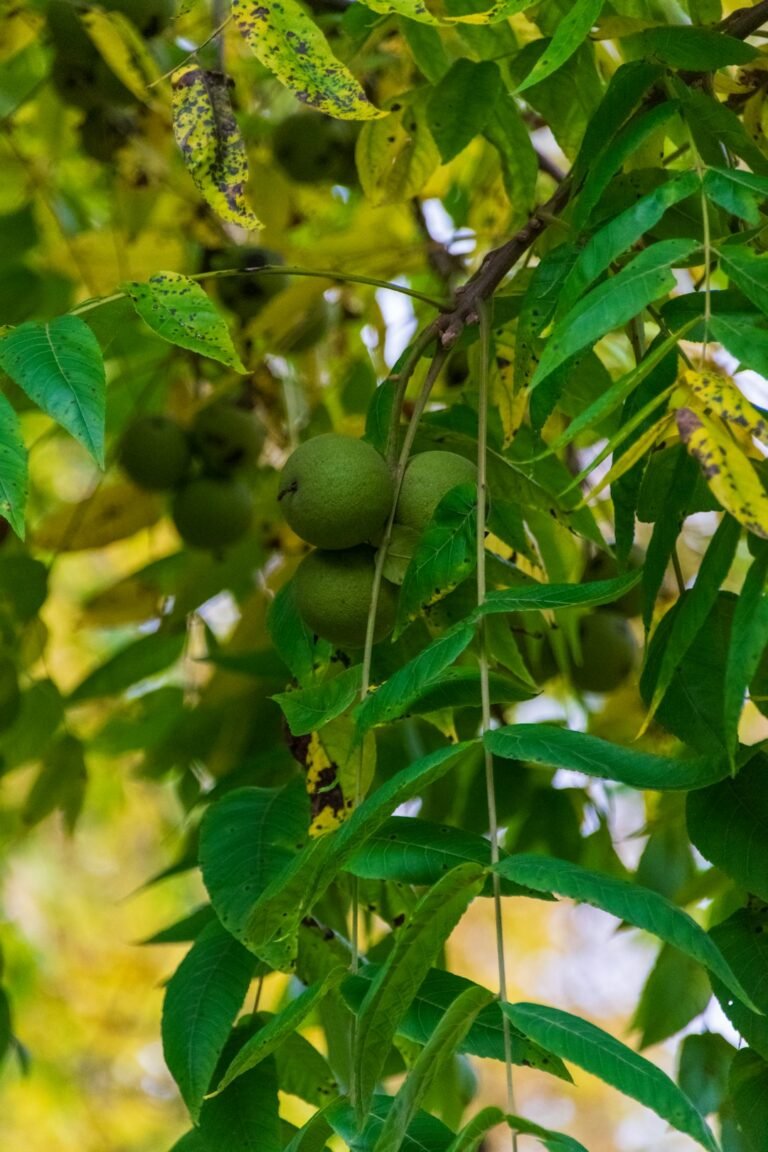
Black walnut is a native hardwood that grows into a tall, open crowned tree. Its nuts have rich flavor but very hard shells. The roots, leaves and husks release juglone, a compound that harms tomatoes, peppers and many other plants, so keep it well away from vegetable beds.
3. English Walnut
English, or Persian, walnut has thin shelled nuts and forms a broad, rounded tree. It grows best in the West and in milder parts of the East. Carpathian strains are the most cold hardy choice for northern yards.
4. Chinese Chestnut
Chinese chestnut resists the chestnut blight that wiped out the American chestnut, and it forms a wide, low branched shade tree. Plant at least two seedlings or cultivars, since chestnuts need cross pollination for a good crop.
Large Temperate Fruit Trees
These trees handle cold winters and are sold as standard or semi-standard sizes by many nurseries. Ask for trees on seedling or vigorous rootstock if you want a big tree.
5. Standard Apple
Apple trees on seedling rootstock can grow 20 to 30 feet tall, and the old farmhouse orchard trees many people remember were standards. Most apples need a different cultivar or a crabapple nearby. Our apple tree guide covers cultivars and care.
6. Standard Pear
Pear trees on seedling rootstock are among the longest lived fruit trees. Penn State recommends spacing them 20 by 28 feet, with yields of 15 bushels or more on trees at least 10 years old. Plant two compatible cultivars. Our pear tree guide explains how to time the harvest.
7. Sweet Cherry
Sweet cherries on standard rootstock grow into large, upright trees. Birds are the biggest problem, and a tall tree is very hard to net, so plan to share or pick early. See our cherry tree guide for pollination partners.
8. Mulberry
Mulberries grow fast into broad shade trees and bear heavy crops of sweet berries in early summer. The fruit stains patios, cars and sidewalks, so plant away from hard surfaces. Fruitless male selections are sold for shade only.
9. American Persimmon
The native American persimmon is very cold hardy and grows into a tall, narrow tree. Most trees are either male or female, so you usually need both, although a few cultivars such as ‘Meader’ can set fruit alone. Our persimmon tree guide compares American and Asian types.
Big Fruit Trees For Warm Climates
In South Florida, Hawaii and the mildest parts of California and Texas, tropical and subtropical trees can grow to impressive sizes.
10. Mango
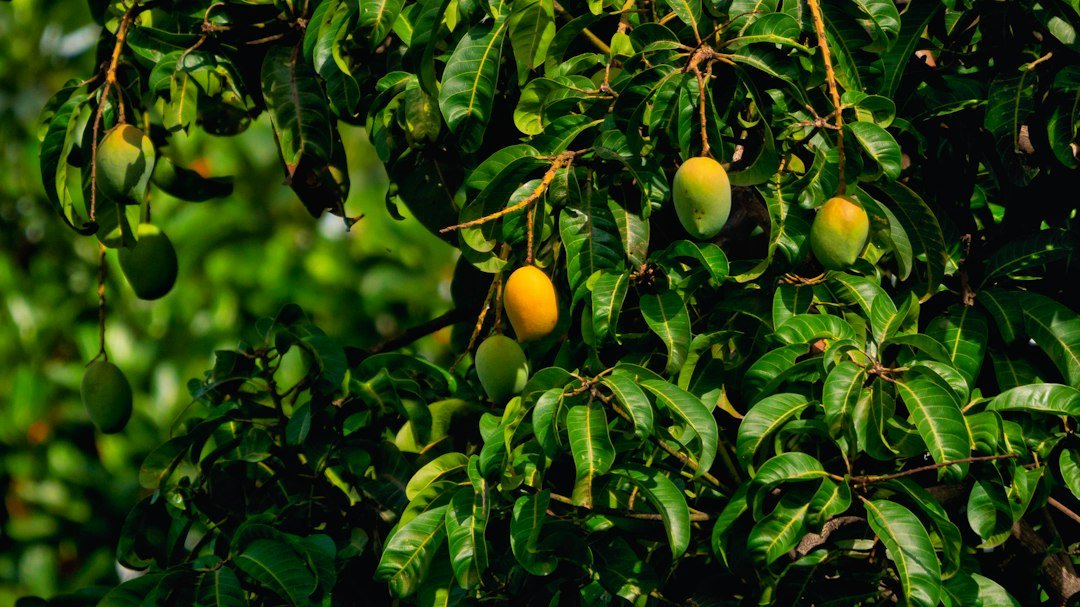
According to UF/IFAS, a mango tree grows 30 to 60 feet tall and up to about 50 feet wide, so it needs a very large yard. Many newer cultivars are more compact and can be kept smaller with pruning. Read our mango tree guide for cultivar picks.
11. Avocado
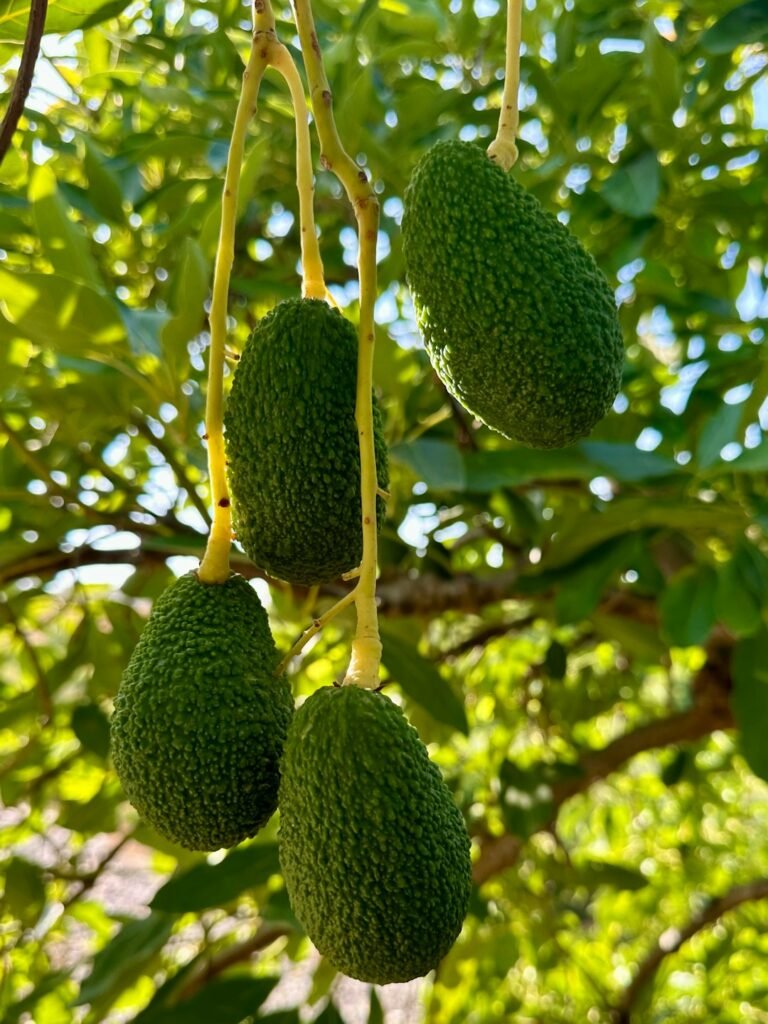
Avocado trees can grow well over 30 feet tall if left unpruned. UF/IFAS advises planting them 23 to 30 feet or more from buildings and other trees. Planting an A type and a B type cultivar together can improve fruit set. Our avocado tree guide covers both types.
12. Jackfruit
UF/IFAS describes jackfruit as a fairly large evergreen tree, 30 to 40 feet tall in Florida, and recommends planting it 25 to 30 feet from other trees and buildings if it will not be pruned. It bears the biggest fruits of any tree on this list.
13. Date Palm
Date palms grow tall and slowly, with a single trunk crowned by long fronds. They need hot, dry summers to ripen fruit, and a female palm needs a male nearby or hand pollination. Our date palm guide explains how.
14. Fig
In warm climates, an in-ground fig can grow into a wide, multi-trunked tree that shades a whole corner of the yard. Common figs need no pollinator. See our fig tree guide for cold climate tips.
15. Olive
Olive is a slow growing, evergreen tree that becomes broad and gnarled with age. It thrives in hot, dry summers and mild winters. Many cultivars are self-fruitful, but most crop better with a second cultivar. Learn more in our olive tree guide.
Large Fruit Trees Compared
Use this table to shortlist trees by size and climate. Heights are typical mature ranges and depend on soil, climate, rootstock and pruning.
| Tree | Typical mature height | Approx. USDA zones | Needs a partner? |
|---|---|---|---|
| Pecan | 70 to 100 ft | 6 to 9 | Usually yes |
| Black walnut | 50 to 75 ft | 4 to 9 | Crops better with two |
| Chinese chestnut | 40 to 60 ft | 4 to 8 | Yes |
| Standard apple | 20 to 30 ft | 3 to 8 | Usually yes |
| Standard pear | 20 to 30 ft or more | 4 to 8 | Usually yes |
| Mulberry | 30 to 50 ft | 5 to 9 | Usually no |
| Mango | 30 to 60 ft | 10 to 11 | No |
| Jackfruit | 30 to 40 ft in Florida | 10 to 11 | No |
How To Plant And Manage A Big Fruit Tree
A big fruit tree is a long term decision. A few checks before planting save expensive problems later.
Site And Spacing
Measure the mature spread, then keep the trunk at least half that distance from the house, fences and neighbors. Avoid overhead power lines, septic fields and buried utilities. In the US, call 811 a few days before you dig so utility lines can be marked for free. For step by step planting, see our guide on how to plant a tree.
Training While It Is Young
The first five years decide how easy the tree will be to manage. Choose a strong central leader or a few well spaced scaffold limbs, and remove branches that cross or form tight, narrow crotches. Our guide on how to prune fruit trees shows where to cut.
Harvesting From A Tall Tree
Use a pole picker with a basket for fruit, and only climb an orchard tripod ladder on firm, level ground. For nut trees, spread a tarp and shake the limbs, or gather nuts from the ground every few days. Hire a licensed, insured arborist for any pruning high in the crown.
Frequently Asked Questions
What is the biggest fruit tree you can grow at home?
In most of the US, the pecan is the biggest common food tree, usually reaching 70 to 100 feet. In frost free areas, mango trees can grow 30 to 60 feet tall and almost as wide.
How far from the house should I plant a large fruit tree?
Keep the trunk at least half the tree’s mature spread from the house. For many big fruit trees that means 20 to 30 feet or more. UF/IFAS recommends 23 to 30 feet or more for avocados.
Do big fruit trees produce more fruit than dwarf trees?
Yes, per tree. Penn State Extension lists 20 to 25 bushels for mature apples on vigorous MM.111 rootstock, compared with 1 to 2 bushels on very dwarfing Budagovsky 9. Dwarf trees fruit sooner and fit closer together.
Can I keep a large fruit tree smaller with pruning?
You can limit the height of many fruit trees with regular summer and dormant pruning, but a vigorous tree will keep trying to grow back. If you want a small tree, buying one on a dwarfing rootstock is easier.
Which large fruit trees grow in cold climates?
Black walnut, Carpathian English walnut, Chinese chestnut, standard apple, pear and American persimmon are good choices for cold winters. Pick cultivars rated for your USDA hardiness zone.
Final Thoughts
A big fruit tree pays you back with shade, wildlife value and harvests that can feed a family for decades. Nut trees suit the largest yards, standard apples and pears suit cold regions, and mango, avocado and jackfruit suit frost free areas.
Plan For The Long Term
Check your zone, measure your space and confirm the pollination needs before you buy. To compare more options, see our hub of types of fruit trees, or, if space is tight, our guide to dwarf fruit trees for pots. Every guide lives in our fruit trees section.
Pingback: Dwarf Fruit Trees For Pots: 15 Best Varieties To Grow