Olive Tree: How To Grow Olives Indoors, In Pots Or In The Ground
On this page
- Olive Tree Growing Guide For Home Gardens
- Olive Tree Climate, Cold Hardiness And Winter Chill
- Indoors, In Pots Or In The Ground?
- Best Olive Tree Varieties For Home Growers
- Do Olive Trees Need A Pollinator?
- How To Plant An Olive Tree In The Ground
- Growing Olive Trees In Pots
- How To Grow An Olive Tree Indoors
- Watering And Fertilizing Olive Trees
- Pruning An Olive Tree
- Olive Tree Pests And Diseases
- Harvesting And Curing Olives
- Olive Tree FAQs
Olive Tree Growing Guide For Home Gardens
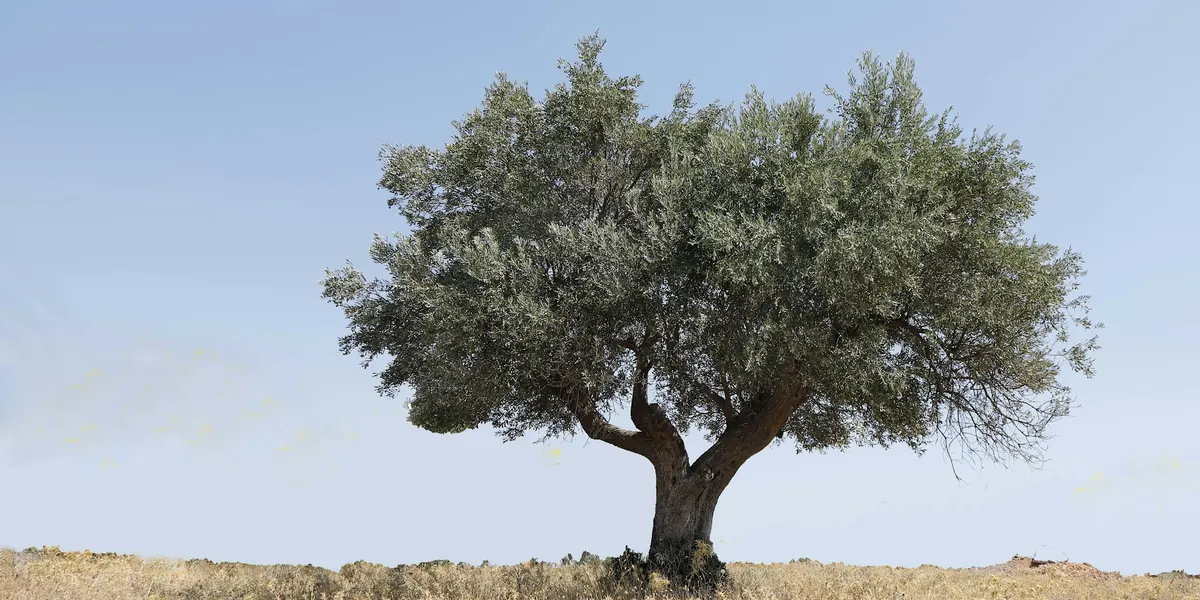
An olive tree (Olea europaea) is a slow-growing evergreen from the Mediterranean basin, prized for its silver-green leaves, gnarled trunk and small oily fruit. You can grow one in the ground where winters stay mild, in a large pot on a sunny patio, or indoors beside a bright window, as long as you understand what it needs to flower.
Olives tolerate drought, poor soil, wind and alkaline ground. Their two weak points are wet roots and warm winters.
The figures below draw on University of Florida IFAS Extension, NC State Extension, University of Arizona Cooperative Extension and University of California IPM.
Olive Tree Climate, Cold Hardiness And Winter Chill
Olive trees like long, hot, dry summers and cool but mild winters. NC State Extension lists them for USDA zones 8 to 10, with a few cultivars suited to zone 7. Check your zone on the USDA Plant Hardiness Zone Map before you buy a tree for the ground.
How Much Cold An Olive Tree Can Take
University of Arizona Cooperative Extension reports leaf and small stem damage at 17°F, heavier damage at 12°F, and trees killed to the ground below 10°F. Established trees can resprout from the base after a hard freeze. Fruit is more tender than wood: UF/IFAS notes that green olives can be damaged near 28°F. Cover young trees with frost cloth on hard-freeze nights.
Why Olives Need A Cool Winter
Olives form flower buds only after a period of winter cool. NC State Extension puts the need at about two months of temperatures in the 40 to 50°F range. Classic research from UC Davis measured chilling as hours below 45°F and found that trees kept in a greenhouse with a 60°F minimum produced no flower clusters at all. Ascolano and Sevillano needed the most chilling, while Mission and Manzanillo flowered with less.
That is why olives in frost-free zone 11 gardens and indoor rooms rarely fruit.
Indoors, In Pots Or In The Ground?
Your climate decides the method.
| Factor | In the ground | Pot outdoors | Indoors |
|---|---|---|---|
| Best zones | 8 to 10 | 7 to 11, moved under cover in hard frost | Any, with a bright window or grow light |
| Mature height | 20 to 30 feet unpruned | About 4 to 8 feet with pruning | About 3 to 6 feet with pruning |
| Winter chill | Natural | Natural, on a sheltered patio | Must be provided in a cool room |
| Chance of olives | High once mature | Moderate | Low |
| Watering | Deep and infrequent once established | When the top 2 inches dry out | When the top 2 inches dry out, less in winter |
| Main risk | Waterlogged soil, hard freezes | Root rot, frozen root ball | Low light, leaf drop, scale insects |
Best Olive Tree Varieties For Home Growers
Choose by purpose first: table olives, oil or a fruitless ornamental.
| Variety | Origin | Main use | Cold hardiness | Self-fertile | Fruit size |
|---|---|---|---|---|---|
| Arbequina | Spain | Oil, small table olives | Hardy | Sold as self-fertile; research mixed | Small |
| Mission | USA | Table and oil | Hardy | Yes | Medium |
| Koroneiki | Greece | Oil | Sensitive | Yes | Very small |
| Frantoio | Italy | Oil | Sensitive | Yes | Medium |
| Manzanillo | Spain | Table | Sensitive | No | Large |
| Kalamata | Greece | Table | Medium | No | Large |
| Sevillano | Spain | Table | Hardy | Yes | Very large |
| Leccino | Italy | Oil | Hardy | No | Medium |
Ratings come from the UF/IFAS cultivar table. Arbequina is the usual pick for pots and small yards because it stays compact and bears young. Mission is a hardy all-rounder.
If you want the look without the fruit or pollen, UC IPM lists fruitless types such as ‘Swan Hill’, ‘Wilsoni’, ‘Majestic Beauty’ and the dwarf ‘Little Ollie’. ‘Little Ollie’ is a natural fit for containers and indoor rooms.
Do Olive Trees Need A Pollinator?
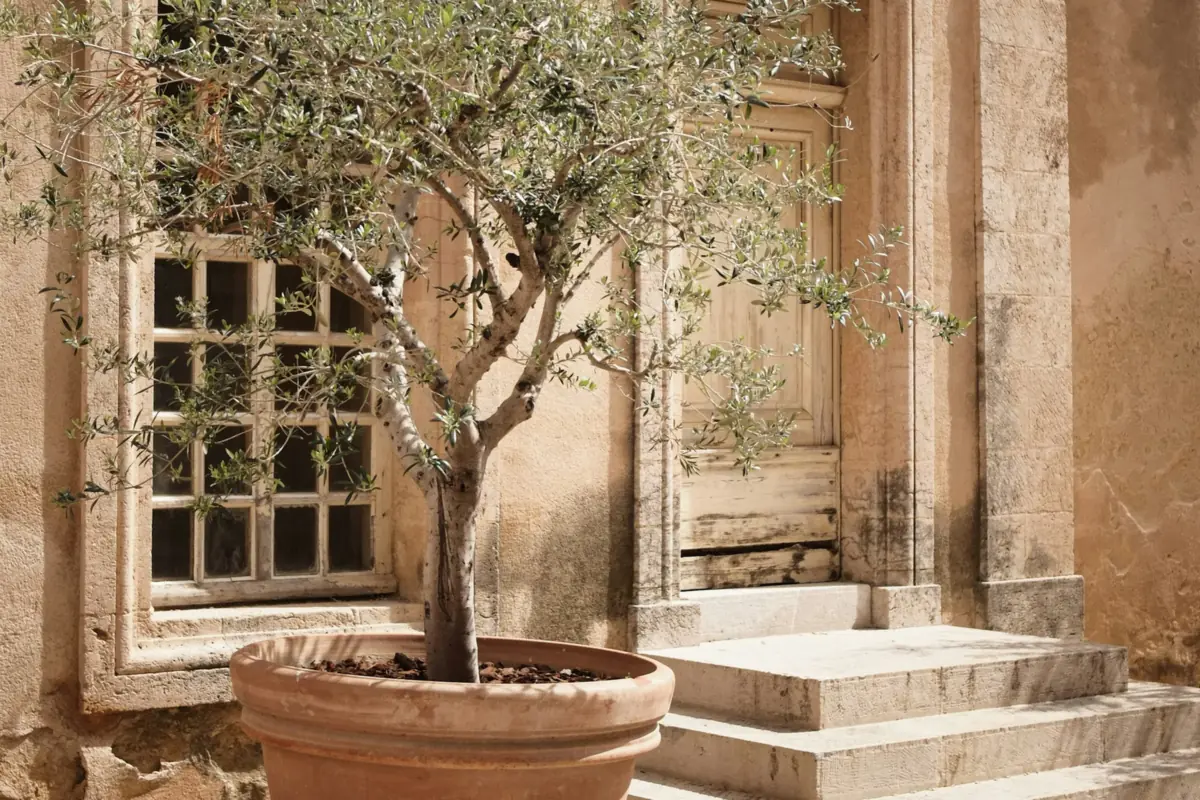
Olive flowers are wind pollinated. Each cluster, or panicle, carries 10 to 40 small cream flowers on the previous season’s growth, usually in April or May.
Several popular varieties are self-fertile, including Mission, Koroneiki and Frantoio, and nurseries sell Arbequina as self-fertile too. The UF/IFAS olive guide adds a caution: research in Spain found Arbequina to be self-incompatible, and a tree that sets fruit alone in one climate may not in another. Two copies of the same cultivar cannot pollinate each other because they are clones. If a good crop matters to you, plant two different, compatible varieties within easy wind range of each other. Arbequina pairs well with Koroneiki, and Mission pairs with Arbequina or Koroneiki.
How To Plant An Olive Tree In The Ground
Fall is the preferred planting season in mild climates, with spring a close second.
Site And Soil
Pick the sunniest spot you have, with at least 6 hours of direct sun. Olives grow in sand, loam and clay and tolerate alkaline and mildly salty soil, but they will not tolerate standing water. UF/IFAS warns that olives are prone to root rot in wet ground, so avoid low spots where puddles linger after rain. On heavy clay, plant on a low mound. Allow 15 to 25 feet for a freestanding tree, or 8 to 10 feet between hedge plants.
Planting Steps
- Dig a hole as deep as the root ball and two to three times as wide.
- Tease out circling roots and set the tree at the same depth it grew in the pot.
- Backfill with the native soil. Skip rich compost and fertilizer in the hole.
- Water deeply to settle the soil, then add 2 to 3 inches of gravel or bark mulch, kept clear of the trunk.
Growing Olive Trees In Pots
A container is the best way to grow olives in zones 7 and colder, or wherever winter wet is a problem. The pot stays outside most of the year and moves under cover during hard freezes.

Start with a pot only a few inches wider than the root ball, then step up every two to three years. Unglazed terracotta breathes and dries faster than plastic, which suits olives. Every pot must have drainage holes. Use a gritty mix such as cactus and citrus soil blended with extra perlite or fine bark so water runs straight through.
Water deeply when the top 2 inches of mix feel dry, then let the excess drain away. Never leave the pot standing in a saucer of water. Keep the tree outside in full sun from spring to fall, and let it feel the cool autumn nights that trigger flower buds. Bring it under cover only when temperatures head into the low 20s°F, since roots in a pot freeze faster than roots in the ground.
How To Grow An Olive Tree Indoors
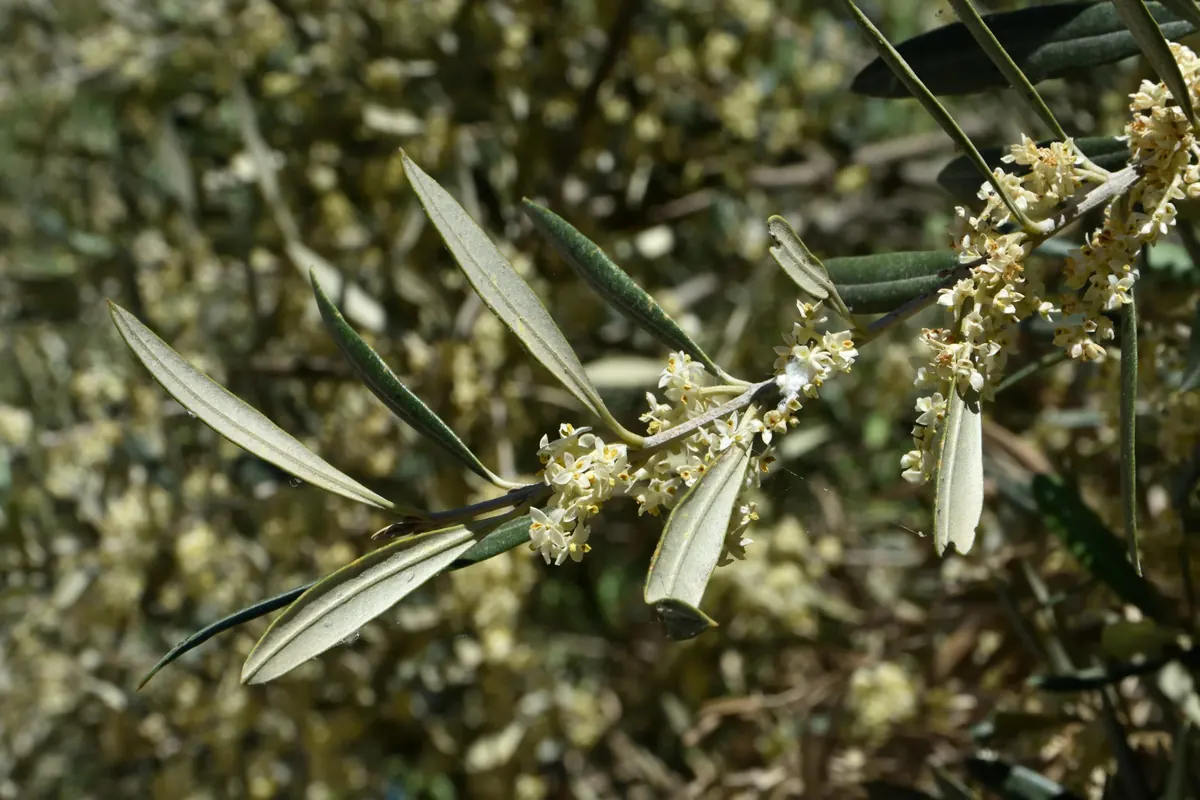
An indoor olive tree can live for years as a sculptural houseplant if light is strong enough. Without a real winter, though, most never bloom.
Light
Light is the single biggest factor. Place the tree in front of your brightest south- or west-facing window, as close to the glass as possible. If it stretches, drops leaves or puts out pale, widely spaced shoots, add a full-spectrum LED grow light for 12 to 14 hours a day.
Temperature And The Winter Rest
Normal room temperature works for growth from spring to fall. In winter, move the tree to the coolest bright spot you have, such as an unheated sunroom, enclosed porch or a garage with a grow light, where temperatures sit in the 40s and low 50s°F for about two months. That cool rest gives you the best chance of flowers in spring.
Indoor Care Tips
- Move the tree outside for summer once nights stay above 50°F. Harden it off over a week in light shade to avoid leaf scorch.
- Check leaf undersides for scale insects every few weeks.
- Expect some leaf drop in spring. UF/IFAS notes olives shed their two- to three-year-old leaves as new growth appears.
Watering And Fertilizing Olive Trees
Olive leaves have a waxy cuticle that slows water loss, so established trees survive long dry spells. Water a newly planted tree deeply once or twice a week through its first summer so roots can spread. After that, give in-ground trees a deep soak every two to four weeks during dry, hot weather, letting the soil dry between waterings. Too much water at bloom can make flowers drop.
Olives are light feeders. UF/IFAS points out that excess nitrogen pushes leafy growth at the expense of flowering and lowers oil quality. Feed in-ground trees once in early spring with a balanced, slow-release fertilizer at label rates, or skip it if growth is healthy. Potted trees lose nutrients each time you water, so give them a balanced or citrus-type fertilizer in spring and again in early summer. Stop feeding by late summer so new shoots can firm up before winter.
Pruning An Olive Tree
Olives flower on wood that grew the previous season, and a stem never fruits twice in the same spot. Fresh growth each year is therefore what produces next year’s crop, so pruning is about balance rather than hard cutting.
- Leave young trees mostly alone for the first two years, apart from removing suckers from the base.
- Prune in late winter or early spring, after hard frost but before bloom.
- Thin crowded and inward-growing shoots so light and air reach the center.
- Keep potted and indoor trees compact by pinching tips during the growing season.
Olives often bear heavily one year and lightly the next. In a light year, UF/IFAS suggests removing some non-flowering branches during bloom. Thinning fruit to two or three olives per foot of twig soon after fruit set gives larger fruit. For general technique, see our tree care guides.
Olive Tree Pests And Diseases
NC State Extension rates the olive as having no serious insect pests or diseases in the garden, but a few problems are worth watching.
Olive Fruit Fly
Olive fruit fly (Bactrocera oleae) is the main fruit pest in California. Its larvae feed inside the olive, ruin the flesh and let rot in, and egg-laying leaves a small dimple or brown spot on the skin. UC IPM recommends picking up fallen fruit, harvesting promptly and stripping every remaining olive after harvest. Yeast-baited traps, spinosad fruit fly bait and kaolin clay sprays help on trees you plan to harvest.
Scale And Sooty Mold
Scale insects suck sap and leave sticky honeydew that grows black sooty mold. Indoor and crowded trees suffer most. Thin crowded growth and use horticultural oil on heavy outbreaks.
Root Rot, Olive Knot And Verticillium Wilt
Root rot is the most common killer of potted and lawn-planted olives, and good drainage is the only real cure. Olive knot is a bacterial disease that forms rough galls on twigs, often after frost or pruning wounds; prune it out in dry weather and clean your tools. Verticillium wilt, a soilborne fungus, causes whole branches to wilt and die back.
Harvesting And Curing Olives
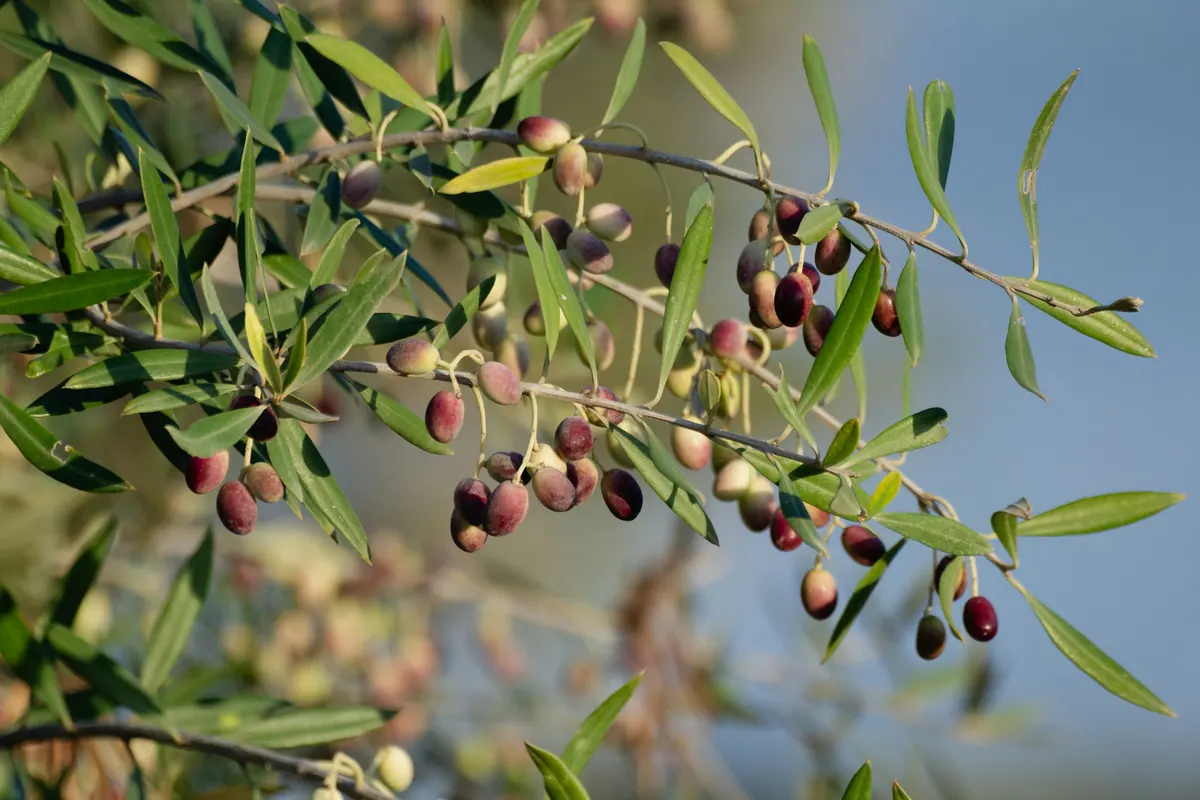
Olives ripen in fall. The fruit starts green, turns straw-colored, then blushes red-purple and finally ripens to purple-black, though some varieties stay green. Pick green olives at full size, or let them color fully for black olives and oil, but harvest before a hard frost.
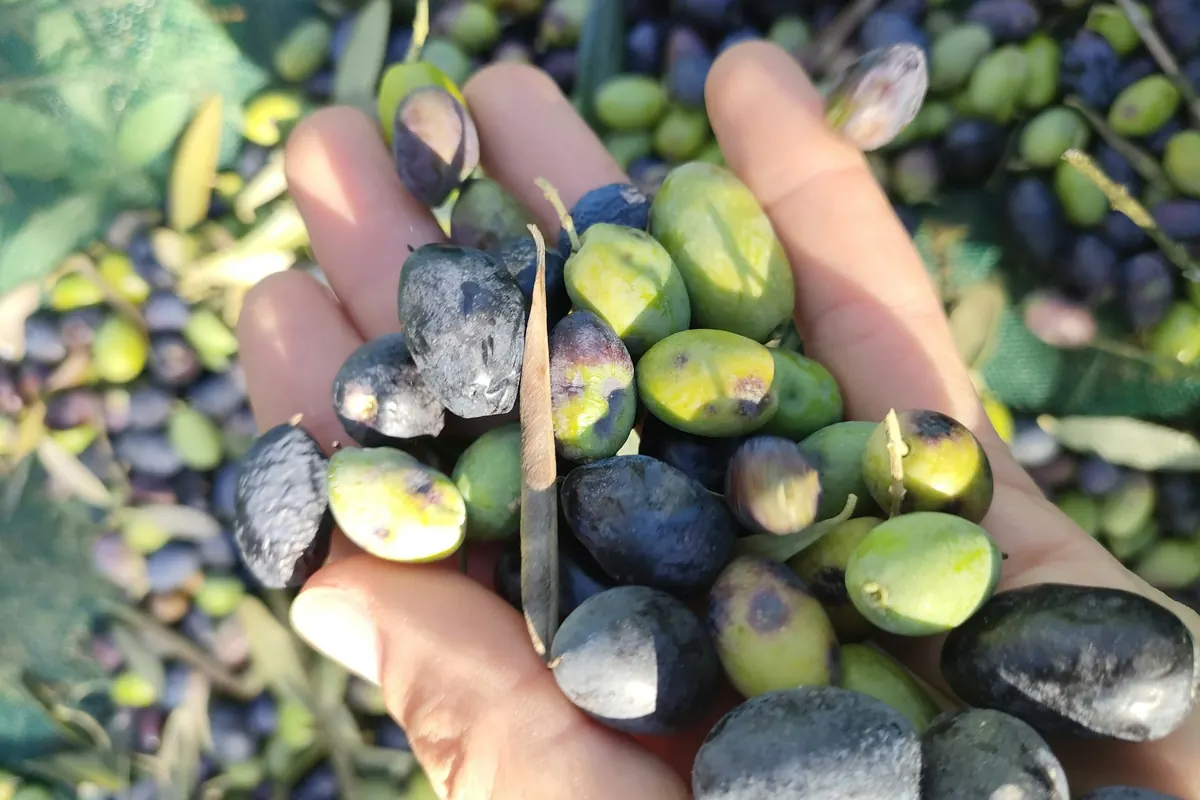
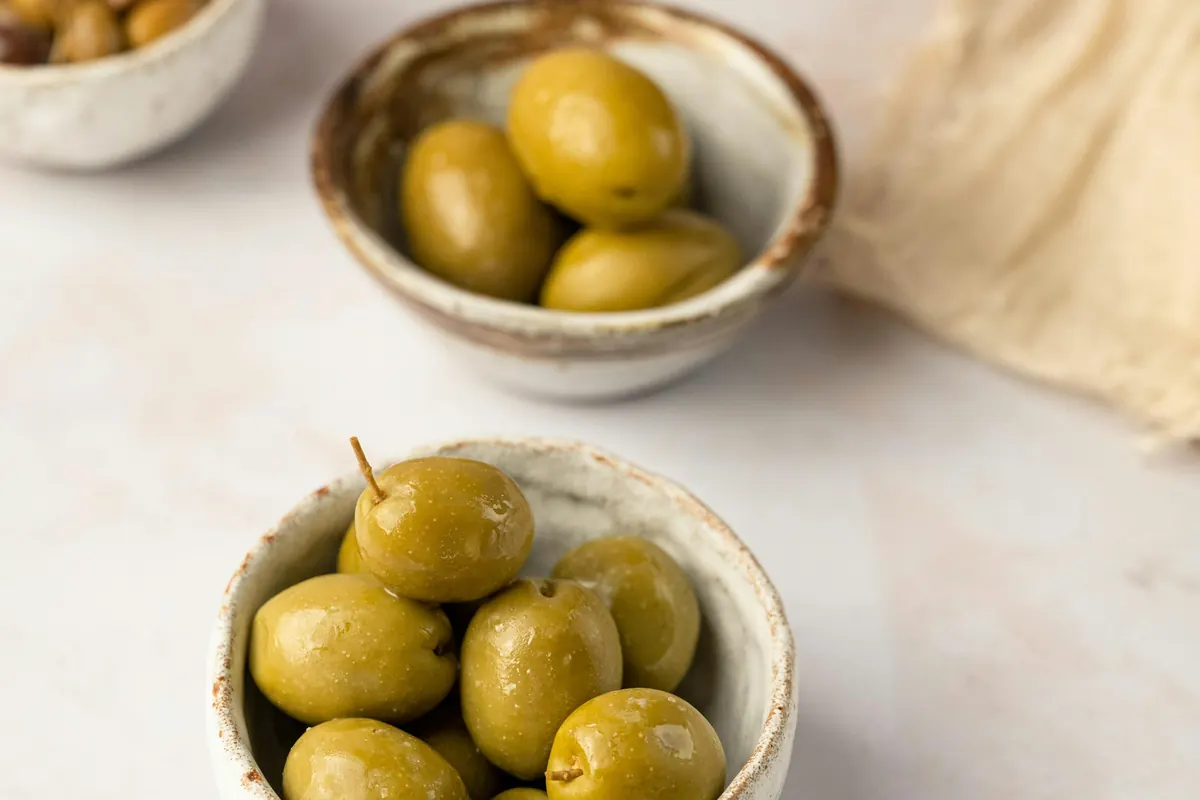
Olives straight from the tree are inedibly bitter because of a natural compound called oleuropein. They must be cured in water, brine, dry salt or lye before eating. UF/IFAS directs home growers to the UC Davis publication Olives: Safe Methods for Home Pickling for tested recipes. Follow a tested method, because poorly processed low-acid olives carry a food safety risk.
Clear every olive from the tree and the ground after harvest. This cuts fruit fly numbers and stops staining on paving.
Planning a Mediterranean corner? A fig tree shares the olive’s love of heat and dry summers, and a lemon tree grows well beside it in a large pot. Our citrus tree care tips cover container watering in more depth. For warm-climate gardens, also see the avocado tree guide or browse all our fruit trees.
Olive Tree FAQs
How Long Does An Olive Tree Take To Produce Olives?
Most grafted or cutting-grown olive trees start bearing about 4 to 5 years after planting. Trees grown from seed take longer and may not resemble the parent. Full sun, a cool winter and light feeding all help a young tree flower sooner.
Can You Grow An Olive Tree Indoors All Year?
Yes, an olive tree can live indoors all year if it gets several hours of direct sun or a strong grow light. It will grow well as a foliage plant, but without about two months of 40 to 50°F weather in winter it rarely flowers or fruits.
How Cold Can An Olive Tree Tolerate?
Established olive trees usually show leaf and twig damage around 17°F and heavier damage near 12°F. Below 10°F a tree can be killed to the ground, though mature trees may resprout. Young and potted trees need protection at higher temperatures.
Do You Need Two Olive Trees To Get Fruit?
No, self-fertile varieties such as Mission, Koroneiki and Frantoio can fruit alone, and Arbequina is widely sold as self-fertile. Planting a second, different variety nearby usually improves fruit set, since olives are wind pollinated and some cultivars set poorly with their own pollen.
Why Is My Indoor Olive Tree Dropping Leaves?
Low light is the most common reason an indoor olive drops leaves. Overwatering, a sudden move, heating vents and scale insects are the other usual causes. Some spring leaf drop is normal, because olives shed older leaves as new growth emerges.
Can You Eat Olives Straight From The Tree?
No, fresh olives are too bitter to eat because they contain oleuropein. They need curing in water, brine, salt or lye first. Use a tested recipe, such as the UC Davis home pickling guide, to keep the olives safe and tasty.
Pingback: Money Tree Care: Light, Water And Braided Pachira Tips
Pingback: Fiddle Leaf Fig Care: Light, Water And Leaf Problem Fixes