What Fruits Grow On Trees? A Complete List With Pictures
On this page
So, what fruits grow on a tree? The short list is long: apples, pears, peaches, cherries, plums, apricots, every kind of citrus, mangoes, avocados, figs, olives, persimmons, pomegranates and dozens of tropical fruits all come from woody trees. Yet several fruits people assume grow on trees, such as bananas and pineapples, actually grow on very different plants.
This guide sorts more than 40 fruits that come from trees into simple groups, with a quick note on how each one grows. It finishes with the popular fruits that do not grow on trees and why, so you know exactly what you are planting before you buy.
What Fruits Grow On A Tree: The Basics
A tree is a woody perennial plant, usually with one main trunk, that lives for many years and keeps adding wood. A fruit, in the botanical sense, is the part of a flowering plant that holds its seeds. As University of Georgia horticulture specialists explain, anything that contains the seeds of the plant is a fruit, which is why avocados, tomatoes and peppers all count.
Botanical Fruit Versus Kitchen Fruit
Cooks call sweet fruits “fruit” and savory ones “vegetables.” Botanists do not. In this guide we list the sweet and savory fruits that people actually harvest from trees, including nuts, since a walnut or pecan is also a tree fruit in the botanical sense.
A Quick Way To Tell
If the plant has a woody trunk that survives winter above ground and grows taller year after year, it is a tree or a large shrub. If the stem is soft and dies back, or the plant climbs, trails or grows as a low rosette, the fruit does not grow on a tree.
Pome Fruits That Grow On Trees
Pome fruits have a firm, fleshy outer layer around a papery core that holds several small seeds. They come from trees in the rose family and are the backbone of cool climate home orchards.
Apple
Apples are the most widely planted fruit tree in American backyards. Most cultivars need a second, compatible apple or crabapple nearby for pollination. Our apple tree guide covers rootstocks, spacing and harvest.
Pear, Quince And Loquat
European and Asian pears grow on long lived trees that handle heavier soil than apples. Quince is a small tree with fragrant, hard fruit for cooking. Loquat is an evergreen tree for mild climates that bears small, sweet orange fruit in late winter or spring.
Stone Fruits That Grow On Trees
Stone fruits, also called drupes, have soft flesh around a single hard pit that protects the seed. Most of the popular ones belong to the Prunus genus.
Peach, Nectarine And Apricot
Peaches and nectarines are the same species. A nectarine simply has smooth skin instead of fuzz. Apricots bloom very early, so late spring frosts are their main risk. See our peach tree guide for thinning and pruning tips.
Plum And Cherry
European, Japanese and native American plums all grow on small to medium trees. Sweet cherries grow on larger trees than sour cherries, and many sweet cherry cultivars need a pollination partner while most sour cherries are self-fruitful.
Mango And Olive
Mango and olive fruits are also drupes, even though they come from very different trees. Mango is a large evergreen tree for frost free areas, covered in our mango tree guide. Olive is a slow, long lived Mediterranean tree whose fruit must be cured before eating.
Citrus Fruits That Grow On Trees
Every citrus fruit grows on an evergreen tree or large shrub. Botanists call the fruit a hesperidium, a type of berry with a leathery, oily rind and juicy segments inside.
Sweet Citrus
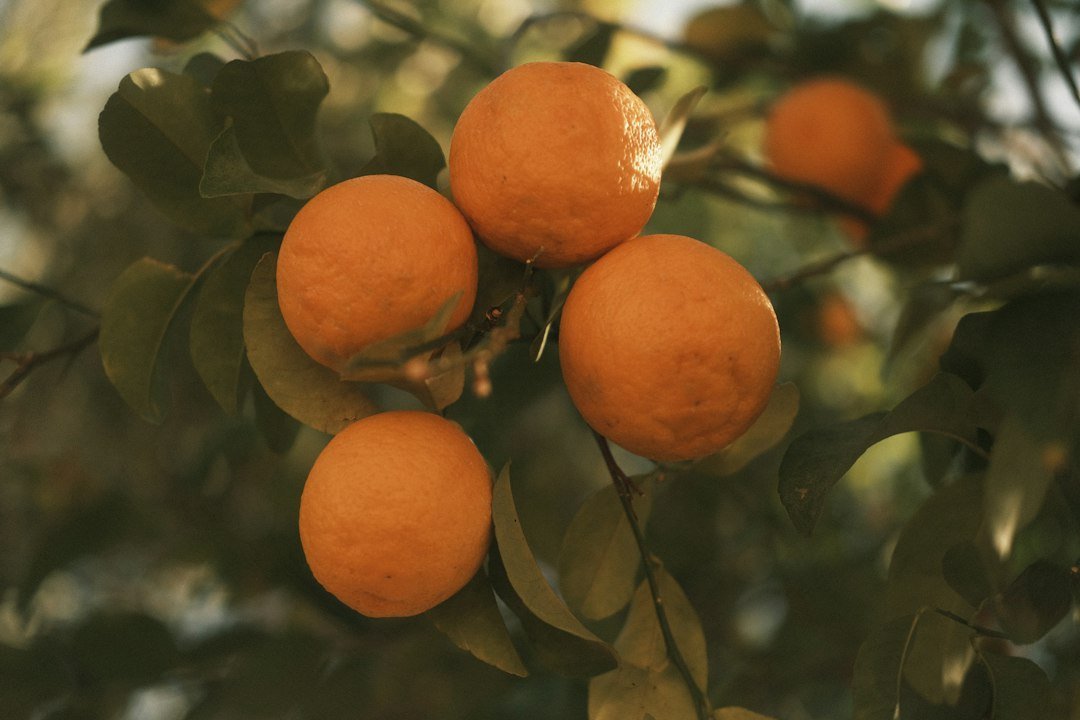
Oranges, mandarins, tangerines, grapefruit and pomelos are the sweet citrus most people grow. Many are self-fruitful, so a single tree will crop. In cold regions, compact trees can live in pots and come indoors for winter.
Sour Citrus
Lemons, limes, kumquats and citrons are grown mainly for juice, zest and preserving. Kumquats are unusual because you eat the whole fruit, sweet peel and all. Our lemon tree guide explains how to grow one in a container.
Tropical Fruits That Grow On Trees
These trees need frost free or nearly frost free conditions. In the US they grow outdoors mainly in South Florida, Hawaii, Puerto Rico and the warmest parts of California and Texas.
Avocado, Jackfruit And Breadfruit
Avocado is botanically a large berry with one big seed, and it grows on a tree that can become very large if left unpruned. Jackfruit carries huge, spiky fruits directly on its trunk and thick branches. Breadfruit, a relative of jackfruit, produces starchy fruits that are cooked like potatoes.
Lychee, Longan, Guava And Starfruit
Lychee and longan bear clusters of small fruits with a translucent, juicy aril around a seed. Guava is a small tree with fragrant fruit that can be eaten skin and all. Starfruit, also called carambola, gives star shaped slices when cut across.
Coconut, Date And Other Palm Fruits
Coconuts and dates grow on palms. Palms are not true trees in the botanical sense because they do not form wood the way oaks or apples do, but most people treat them as trees. Date palms need both male and female plants, or hand pollination, to set fruit.
| Fruit | Group | Climate | Needs a partner? |
|---|---|---|---|
| Apple | Pome | Cold to temperate | Usually yes |
| Pear | Pome | Cold to temperate | Usually yes |
| Peach | Stone fruit | Temperate | Most are self-fruitful |
| Sweet cherry | Stone fruit | Temperate | Many cultivars yes |
| Orange | Citrus | Subtropical | Usually no |
| Mango | Stone fruit | Tropical | Usually no |
| Avocado | Berry | Subtropical | Crops better with A and B types |
| Fig | Multiple fruit | Warm temperate | Common figs no |
Other Temperate Tree Fruits And Nuts
Beyond the big three groups, plenty of other fruits suit ordinary American yards. Each fruit that grows on a tree in this group is hardy in at least part of the country, and several are native to North America.
Fig, Persimmon And Pomegranate
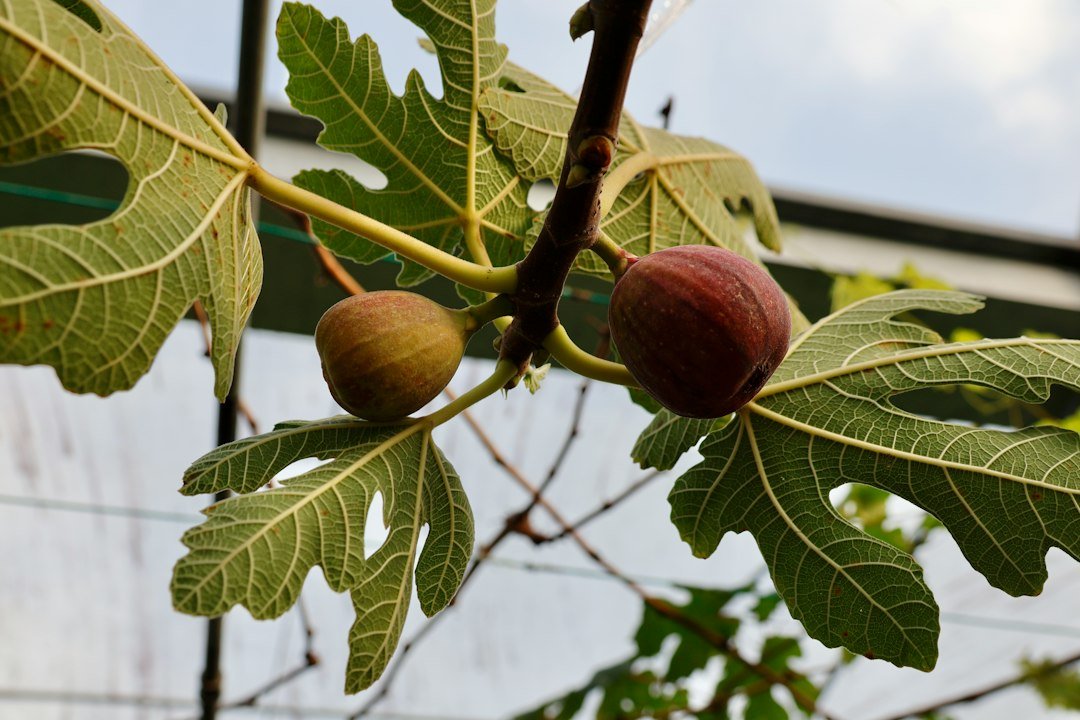
A fig is not a single fruit in the usual sense. It is a hollow structure lined with tiny flowers, which ripen into the sweet, seedy flesh. Common figs need no pollinator. Persimmons come in American and Asian types, and pomegranates grow as large shrubs or small trees in hot summers. Read more in our fig tree guide.
Mulberry, Pawpaw And Serviceberry
Mulberries bear heavy crops of blackberry like fruit and grow quickly. Pawpaw is a native understory tree with custard textured fruit, and it is often described as the largest edible fruit native to North America. Serviceberry grows as a large shrub or small tree with sweet, blueberry like fruit in early summer.
Nut Trees
Almonds, walnuts, pecans, hazelnuts, chestnuts and pistachios are all tree fruits in botanical terms. Almonds are especially close relatives of peaches: the part we eat is the seed inside the pit, and the leathery hull is the fruit flesh that never turns juicy.
What Fruit Does Not Grow On Trees
Many popular fruits come from bushes, canes, vines or soft stemmed plants. Knowing the difference matters because each plant type needs different space, support and pruning.
Fruits That Grow On Bushes And Canes
Blueberries, currants, gooseberries and elderberries grow on woody shrubs, while raspberries and blackberries grow on canes. These stay low enough to pick without a ladder. Our guide to fruit bushes covers the best ones for American gardens.
Fruits That Grow On Vines
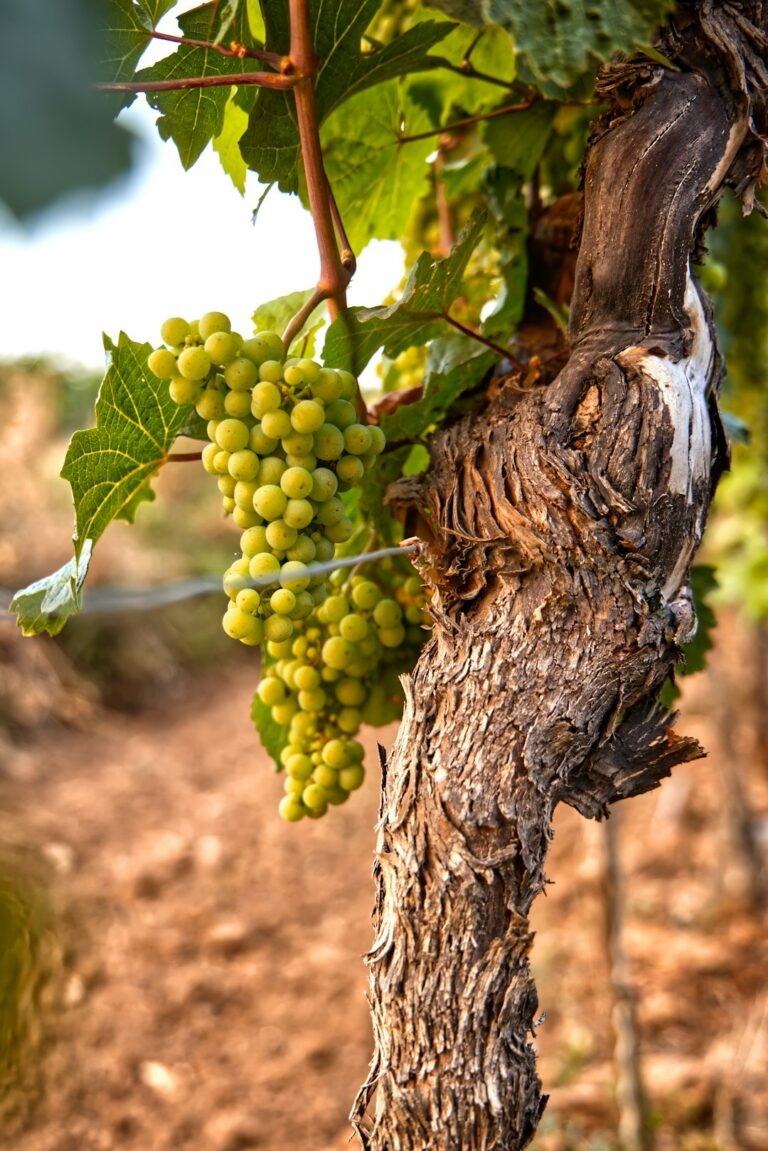
Grapes, kiwifruit and passion fruit grow on woody climbing vines that need a trellis, fence or arbor. Watermelons, cantaloupes, pumpkins and cucumbers grow on soft annual vines that sprawl across the ground and die at the end of the season.
Bananas, Pineapples And Strawberries
The banana “tree” is really a giant herb. Its trunk is a false stem made of tightly rolled leaf bases, and each stem dies after it fruits while new suckers replace it. Our banana tree guide explains how to grow one anyway. Pineapples grow from the center of a low, spiky rosette, and strawberries grow on small perennial plants that spread by runners.
Papaya And Tomato
Papaya looks like a small tree, but its stem is soft and hollow and the plant is short lived, so many growers treat it as a giant herb. Tomatoes are botanical fruits that grow on soft stemmed plants, which is why they rarely appear on fruit tree lists.
Frequently Asked Questions
Does all fruit grow on trees?
No. Many fruits grow on bushes, canes, vines or soft stemmed plants. Strawberries, blueberries, raspberries, grapes, kiwifruit, melons, pineapples and bananas are all common fruits that do not grow on true trees.
Do bananas grow on trees?
Not in the botanical sense. A banana plant is a giant herbaceous plant whose trunk is a false stem made of leaf sheaths. Each stem fruits once and then dies back, while new shoots grow from the base.
Is a coconut a fruit that grows on a tree?
Coconuts grow on coconut palms. Palms are not true trees because they do not produce wood the way broadleaf trees do, but in everyday language most people call them trees.
What fruits grow on trees in cold climates?
Apples, pears, sour cherries, plums, American persimmons, mulberries and serviceberries all tolerate cold winters. Choose cultivars rated for your USDA hardiness zone and buy from a local nursery when you can.
Are nuts fruits that come from trees?
Yes. In botanical terms almonds, walnuts, pecans, chestnuts and hazelnuts are fruits or the seeds of fruits, and they all grow on trees or large shrubs.
Final Thoughts
Most of the fruit in a grocery store produce aisle does come from trees, from apples and citrus to mangoes and avocados. The main exceptions are berries, grapes, melons, pineapples and bananas, which grow on bushes, vines or large herbs.
Pick Your First Tree
Start with a tree that suits your climate and space, then check whether it needs a partner. Our hub of types of fruit trees compares 30 options, and our guide to dwarf fruit trees for pots shows how to grow them in small spaces. You can browse every guide in our fruit trees section.