Types Of Fruit Trees: 30 Fruit Trees To Grow In Your Yard
On this page
There are dozens of types of fruit trees you can grow in an American yard, and the right ones for you depend mostly on your winter cold, your summer heat, and how much space you have. This guide sorts 30 popular fruit trees into five families, so you can see at a glance which ones suit your climate and which need a partner tree to set fruit.
Each group shares habits: pome fruits like apples and pears love cold winters, stone fruits bloom early and need protection from late frost, and citrus and tropical trees need mild winters or a pot you can move indoors. Where we have a full growing guide for a tree, it is linked so you can go deeper.
How Fruit Trees Are Grouped
Gardeners and nurseries usually group tree fruits by the structure of the fruit and the climate the tree comes from. Knowing the group tells you a lot about pruning, pollination and frost risk before you even read the plant tag.
The Five Families In This Guide
Pome fruits: fleshy fruit with a papery core of small seeds, such as apples and pears.
Stone fruits: one hard pit in the middle, such as peaches, cherries, plums and apricots.
Citrus: evergreen trees with segmented fruit, such as lemons, limes and oranges.
Tropical fruit trees: frost tender trees such as mango, avocado and banana.
Mediterranean and native fruit trees: tough, often low care trees such as fig, pomegranate, persimmon and pawpaw.
Chill Hours And Hardiness Zones
Two numbers decide what will fruit in your yard. The first is your USDA hardiness zone, which reflects the coldest winter temperatures. You can look yours up on the USDA Plant Hardiness Zone Map. The second is chill hours: the number of winter hours between 32 and 45 degrees F that a deciduous fruit tree needs before it will bloom well. Apples and pears tend to bloom later and handle cold better, while stone fruits are more frost prone, so matching the chill rating on the tag to your area matters most for peaches, plums and apricots.
Pome Fruit Trees
Pome fruits are the backbone of cold climate orchards. They bloom later in spring than most stone fruits, which helps them dodge frost, and they bear on long lived fruiting spurs on wood that is two years old or older.
1. Apple
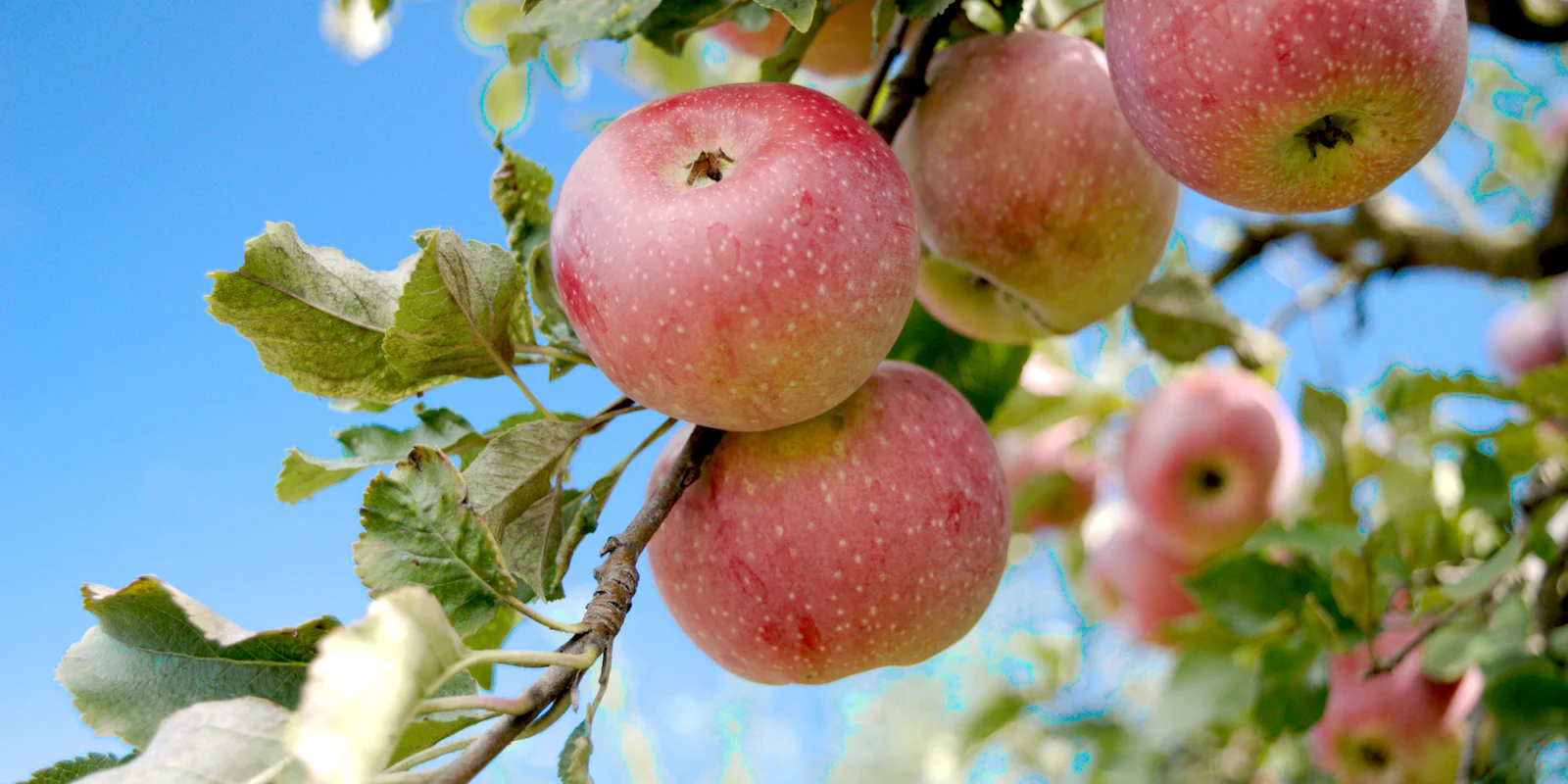
The most widely grown fruit tree in the country, hardy in roughly zones 3 to 8 depending on the cultivar and rootstock. Most apples need a different apple or crabapple that blooms at the same time nearby for pollination. Dwarf apples can bear in their third year. See our apple tree guide for varieties and care.
2. European Pear
Buttery, soft fruit such as Bartlett and Bosc, hardy in about zones 4 to 8. Pears need a second variety for cross pollination and can take five years or more to fruit. Our pear tree guide covers pruning and harvest timing.
3. Asian Pear
Round, crisp and juicy, often called apple pears. They grow best in about zones 5 to 9 and also need a pollinizer, which can be another Asian pear or a European pear that blooms at the same time.
4. Quince
A small, twisting tree with fragrant golden fruit that is cooked into jelly and paste rather than eaten raw. Quince is generally self-fruitful and suits about zones 5 to 9.
5. Crabapple
Crabapples are apples with fruit under about two inches across. They are very hardy, flower heavily, and are often planted as pollinizers for apple trees. Many make good jelly.
Stone Fruit Trees
Stone fruits, botanically the genus Prunus, give some of the fastest returns in a home orchard. Many bloom very early, so a frost pocket can wipe out a crop. Plant them on a slope or high spot where cold air drains away.
6. Peach
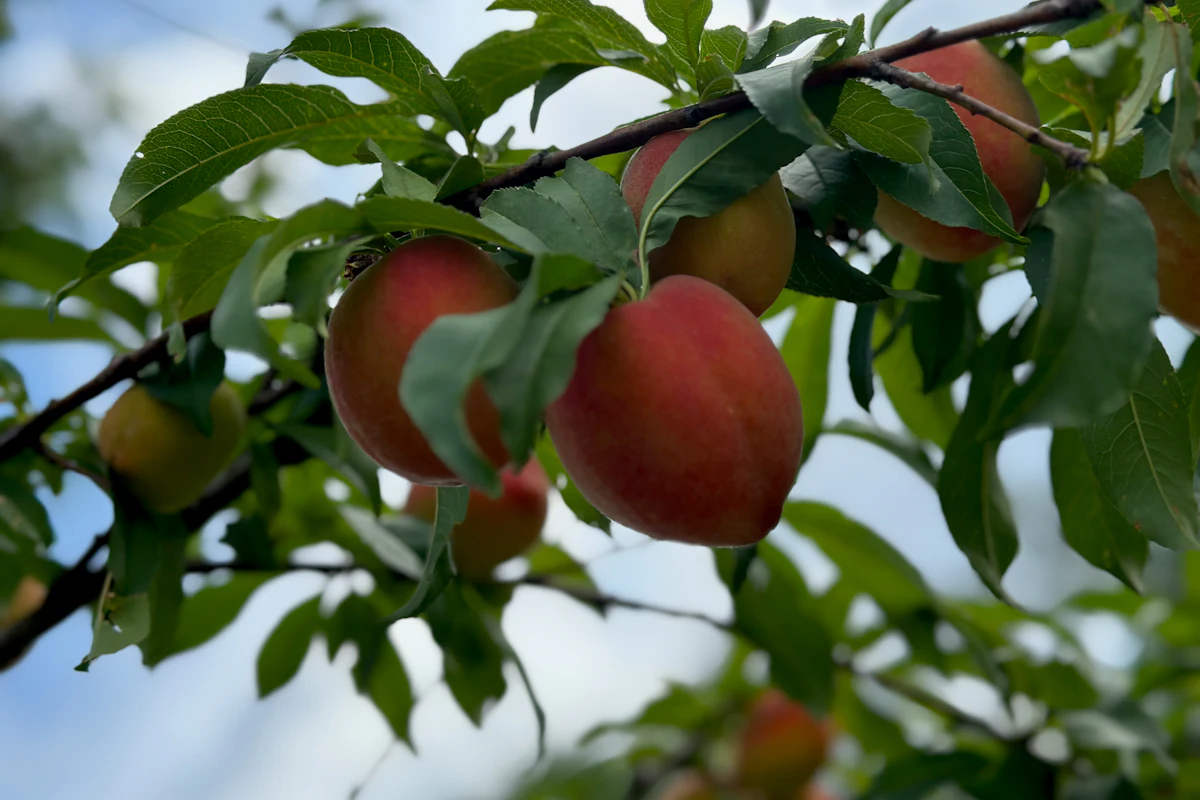
Peaches are self-fruitful and can be harvested in their third year. They fruit on the previous year’s growth, so they need hard annual pruning to an open vase shape. Learn more in our peach tree guide.
7. Nectarine
A nectarine is a smooth skinned peach. Growing needs, pruning and pollination are the same as for peaches, though the smooth skin can be more prone to brown rot and insect damage.
8. Sweet Cherry
Big, dark dessert cherries such as Bing. Many sweet cherries need a compatible partner, though self-fertile cultivars such as Stella and Lapins exist. Birds are the main rival at harvest. Our cherry tree guide covers netting and pollination groups.
9. Sour Cherry
Tart pie cherries such as Montmorency are smaller trees, generally self-fruitful, and hardier than sweet cherries, which makes them one of the easiest fruit trees for northern yards.
10. European Plum
Oval prune type plums such as Stanley are hardy and often self-fruitful. They are good for drying, baking and canning. See our plum tree guide.
11. Japanese Plum
Round, juicy plums such as Santa Rosa bloom early and suit warmer areas. Most need a second Japanese plum for good fruit set.
12. Apricot
Apricots are self-fruitful, but they flower so early that late frost often damages the blossoms. They do best where springs warm steadily. Read our apricot tree guide for frost protection tips.
Citrus Fruit Trees
Citrus trees are evergreen, self-fruitful, and fruit for many months of the year. They grow in the ground in the warmest parts of Florida, Texas, Arizona and California, roughly zones 9 to 11, and almost anywhere else in a large pot moved indoors for winter. For feeding, watering and pest fixes, see our citrus tree care guide.
13. Lemon
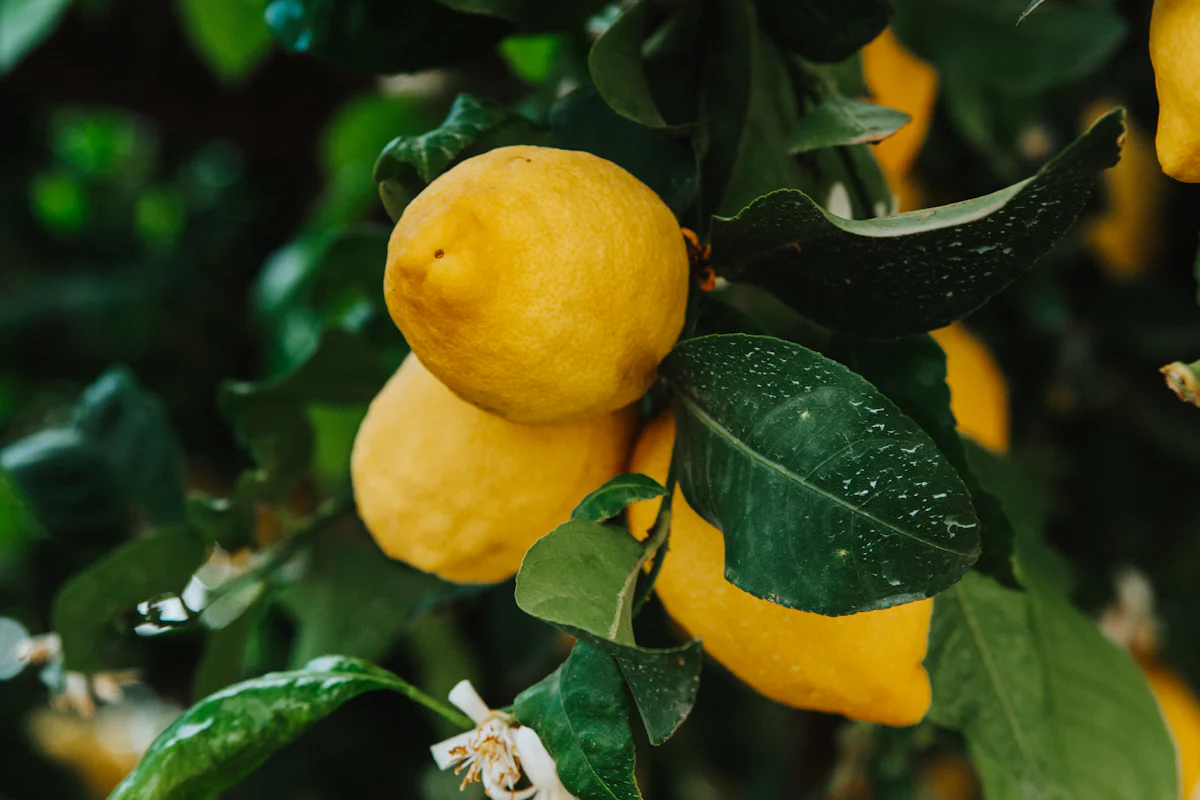
Lemons bear fruit through much of the year, and compact types such as Meyer suit containers well. See the full lemon tree guide.
14. Lime
Persian limes are the large, seedless limes sold in stores, while Key limes are smaller, more aromatic and more cold tender. Our lime tree guide compares them.
15. Sweet Orange
Navel and Valencia oranges need long, warm seasons to sweeten. Navels ripen in winter and Valencias in spring and summer. Read our orange tree guide.
16. Mandarin
Mandarins, including tangerines, clementines and satsumas, are easy to peel and among the more cold tolerant citrus. Satsumas are a favorite along the Gulf Coast. See our mandarin tree guide.
17. Grapefruit
Grapefruit trees grow large and need plenty of summer heat for sweet fruit. Our grapefruit tree guide covers when to pick.
18. Kumquat
Kumquats are small, bushy and one of the hardiest citrus. The small fruit is eaten whole, skin and all. See our kumquat tree guide.
19. Pomelo
The pomelo is the largest citrus fruit and a parent of the grapefruit. It needs a hot, frost free climate and room to spread, so it suits the warmest yards.
Tropical Fruit Trees
Tropical fruit trees are damaged or killed by frost, so in the continental US they belong in South Florida, coastal Southern California, Hawaii and similar spots, or in a greenhouse.
20. Mango
Mangoes need warm, frost free weather and a dry period before flowering. Many modern cultivars stay compact. See our mango tree guide.
21. Avocado
Avocados are grouped into flowering types A and B, and planting one of each can improve fruit set. Mexican types tolerate more cold than Guatemalan or West Indian types. Read our avocado tree guide.
22. Banana
Technically a giant herb, not a tree, the banana grows fast and fruits on a stalk that then dies back and is replaced by a new shoot. See our banana tree guide.
23. Papaya
Papaya is one of the fastest fruiting plants in the tropics and often bears within its first year. Some plants are male, female or bisexual, so buy bisexual seedlings when you only want one.
24. Date Palm
Date palms need intense heat and low humidity to ripen fruit, and female trees need pollen from a male, usually transferred by hand. Our date palm guide explains the process.
Mediterranean And Native Fruit Trees
This last group is a mix of hardy, low maintenance trees that handle heat and drought well, plus two North American natives that are rarely seen in stores.
25. Fig
Common figs set fruit without pollination and often bear within a year or two of planting. Cold hardy cultivars can survive colder winters with protection. See our fig tree guide.
26. Pomegranate
Pomegranates are shrubby trees that love long, hot summers and handle dry soil once established. Read our pomegranate tree guide.
27. Olive
Olive trees are evergreen, drought tolerant and long lived. Some cultivars such as Arbequina are self-fertile. See our olive tree guide.
28. Persimmon
American persimmons are native and very hardy, while Asian persimmons such as Fuyu produce larger fruit in milder areas. Our persimmon tree guide covers both.
29. Pawpaw
The pawpaw is the largest edible fruit native to North America, with custard textured fruit that tastes of banana and mango. Plant at least two genetically different trees for pollination.
30. Mulberry
Mulberries grow quickly and bear heavy crops of soft, sweet berries that birds love. Plant them away from patios and driveways, because dropped fruit stains.
How To Choose The Right Fruit Tree
With so many options, narrowing the list comes down to climate, space, pollination and how much care you want to give.
Compare The Main Groups
| Group | Typical zones | Pollination | Main challenge |
|---|---|---|---|
| Pome | 3 to 9 | Usually needs a partner | Scab and fire blight |
| Stone | 4 to 9 | Peach, apricot, sour cherry self-fruitful | Late frost on early blooms |
| Citrus | 9 to 11, or pots | Self-fruitful | Frost and cold winters |
| Tropical | 10 to 11 | Varies by tree | Any frost |
| Mediterranean and native | 4 to 10 | Mostly self-fruitful, pawpaw needs two | Few, mostly birds |
Space And Rootstock
Most tree fruits are grafted onto a separate rootstock, which controls the final size and often adds hardiness and pest resistance. Dwarf rootstocks keep apples and cherries small enough to pick from the ground and shorten the wait for the first harvest. If space is tight, read our list of dwarf fruit trees for pots. If you would rather grow fruit on shrubs, our guide to fruit bushes covers berries and other small fruits.
Site And Planting Basics
According to University of Delaware Cooperative Extension, a fruit tree site should get full sun, drain well and sit above low lying ground where cold air settles. Plant so the graft union stays above the soil line, and choose cultivars bred for disease resistance, such as apples resistant to scab and fire blight. Our step by step guide on how to plant a tree covers hole size and watering.
Frequently Asked Questions
What is the easiest fruit tree to grow?
Figs, sour cherries and peaches are among the easiest for beginners. They are self-fruitful, so one tree is enough, and they bear within a few years. In warm areas, citrus and pomegranate are also very forgiving.
Which fruit trees grow fastest?
Papaya often fruits in its first year, and figs within one to two years. Peaches, nectarines and dwarf apples and cherries can bear in their third year, while pears may take five years or more.
Do I need two fruit trees to get fruit?
It depends on the type. Most apples, pears, sweet cherries, Japanese plums and pawpaws need a second compatible variety nearby. Peaches, apricots, sour cherries, figs and most citrus set fruit on their own.
What fruit trees grow in cold climates?
Apples, crabapples, sour cherries, European plums and American persimmons handle cold winters best. Choose cultivars rated for your USDA zone and with a chill hour rating that matches your area.
Can I grow fruit trees in pots?
Yes. Dwarf citrus, figs, olives and apples on dwarfing rootstock all grow well in large containers. Pots also let gardeners in cold areas move citrus and other tender trees indoors for winter.
Final Thoughts
The best types of fruit trees for your yard are the ones that match your winters. Cold climate gardeners can rely on apples, pears, sour cherries and plums, while warm climate gardeners can add citrus, figs, pomegranates and tropical fruit. Check your zone, note whether each tree needs a partner, and leave room for the full size of the rootstock you buy.
Your Next Step
Pick two or three trees from the list above, then open their full guides for planting and care. When your trees are in the ground, our guides to pruning fruit trees and the best fertilizer for fruit trees will keep them productive. You can browse every guide in our fruit trees section.
Pingback: Dwarf Fruit Trees For Pots: 15 Best Varieties To Grow